





Asthma, a chronic respiratory condition characterised by airway inflammation and constriction, has long been associated with childhood. While some believe that asthma is a lifelong condition, others hold onto the hope that it can vanish over time, particularly with the transition from childhood into adulthood. The connection between age and asthma sparks curiosity about the possibilities of remission and the evolving nature of this condition.
So, the question remains: can asthma truly be outgrown, or does it linger throughout the years?
Outgrowing the wheeze as you age

One common query surrounding asthma is whether individuals can outgrow it as they grow older. The answer is yes, it is possible to outgrow asthma over time, but it can become symptomatic later in life.
In some cases, adults who experience severe asthma symptoms during childhood may notice a significant reduction in their symptoms as they become older. This occurs as the airways in children mature, becoming more adept at handling inflammation (swelling) and irritants that previously bothered the airways. As a result, adults who once struggled with asthma might find their condition less severe in later years.
But then, adults can develop asthma later in life, not solely as a condition present from birth. This means that individuals who have never experienced asthma symptoms in their earlier years may still develop the condition at any point in adulthood.
Adults can develop asthma later in life. It is not solely a condition present from birth.
Breaking free: Exploring asthma remission possibilities
Asthma remission is characterised by a high level of disease control, including the absence of symptoms and exacerbations, and optimization of lung function, with or without ongoing treatment. Remission is possible as part of the natural history of asthma, and the prevalence of remission in the adult asthma population varies between two percent and 52 percent.

Factors associated with remission include:
- Mild asthma
- Better lung function
- Better asthma control
- Young age
- Early-onset asthma
- Shorter duration of asthma
- Mild bronchial hyperresponsiveness
- Fewer comorbidities
- Smoking cessation or never smoking
Can asthmatic young people or children be physically active?

Absolutely, as long as their asthma is effectively managed and still under control. Being active and playing sports can help young people or children with asthma stay fit and maintain an ideal weight. It can also strengthen their respiratory muscles to help the lungs work better.
By incorporating exercise into their routine, they can experience improved cardiovascular health, increased endurance, and enhanced quality of life. Thus, with proper asthma management and appropriate precautions, there is no reason for them to refrain from enjoying the numerous benefits of physical activity.
Breathing easy: Strategies for disease control
Some individuals might be wondering if asthma is a lifelong disease. It cannot be entirely cured, but it can certainly be managed and prevented effectively. Thus, while asthma may persist, proactive measures listed below can significantly mitigate its impact, enabling individuals to enjoy a good quality of life despite the condition.
1. Evaluate and keep tabs on your asthma control
A persistent cough, wheezing, a sense of chest tightness, difficulty breathing, and overall fatigue which limits your physical activity are all signs that your asthma is not well controlled. If you feel like your symptoms are getting worse, follow your doctor’s instructions. Use a reliever inhaler with a spacer to open your airways. Moreover, keeping track of your symptoms can help you stay in control.
2. Identify and avoid triggers
Identify your asthma triggers and learn simple ways to limit your exposure or avoid them altogether. Some of the common triggers include smoke, fumes, viral infections, pollen, changes in the weather, animal fur and feathers, and strong fragrances. Know what could affect you and try to avoid it if possible. If not, always make sure your reliever inhaler is available.
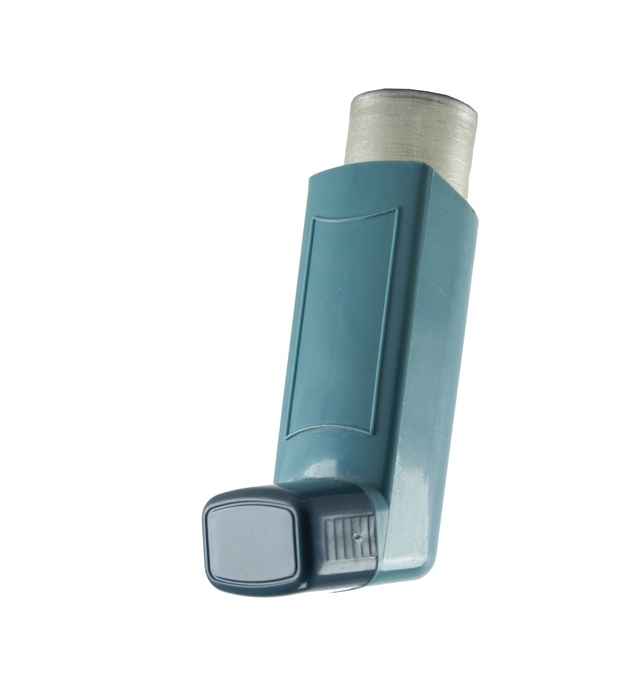
3. Know your inhalers
A reliever inhaler, also known as a bronchodilator opens up the small airways and improves the airflow in and out of the lungs. This inhaler can be used when symptoms occur.
A steroid or preventer inhaler reduces inflammation in the lungs. It is essential for long-term asthma treatment. Using a steroid inhaler can effectively alleviate your symptoms and minimise the likelihood of experiencing a severe asthma attack.
Inhalers stand out as the safest and most effective treatment for asthma, empowering individuals with the condition to maintain a normal and active lifestyle.
4. Use a spacer
A spacer is a plastic chamber that serves as a bridge between the inhaler and your mouth, utilising a mouthpiece or mask at one end. Its purpose is to optimize the delivery of inhaled medications to the tiny airways within the lungs, thereby enhancing their effectiveness.
5. Take control
Knowledge is very powerful. Ask your doctor to explain how your inhaled medicines work and how you should use them. In addition, familiarise yourself with your medications since asthma treatment encompasses a range of medications tailored to individual needs. Collaborate with your doctor and healthcare team to set up a customised plan suited to your specific condition.
Another way is to enhance your asthma self-management skills by expanding your overall understanding of asthma. You can explore resources like the online asthma basics course and informative materials on what asthma entails.
6. Enhance your medical visits for asthma care
Maximise the effectiveness of your medical appointments by utilising various resources designed to facilitate discussions about asthma management and treatment with your healthcare provider. Learn how to develop a plan with your healthcare provider that includes key information on managing your asthma.

8 Tips For Parents with An Asthmatic Child
- Schedule a regular doctor’s appointment.
- Develop a written asthma action plan.
- Shift from crisis to control by closely monitoring symptoms and implementing preventive measures.
- Help your child to use their medications.
- Get your child a regular influenza vaccine.
- Limit your child’s exposure to asthma triggers and allergens.
- Teach your child to have a positive outlook on asthma by emphasising that with proper management, they can lead a full and active life.