





Silence can be lonely in a world that thrives on sounds, especially for those born with profound hearing. According to the World Health Organisation, 1 in 5 people worldwide live with hearing loss, which is expected to increase to 1 in 4 by 2050.
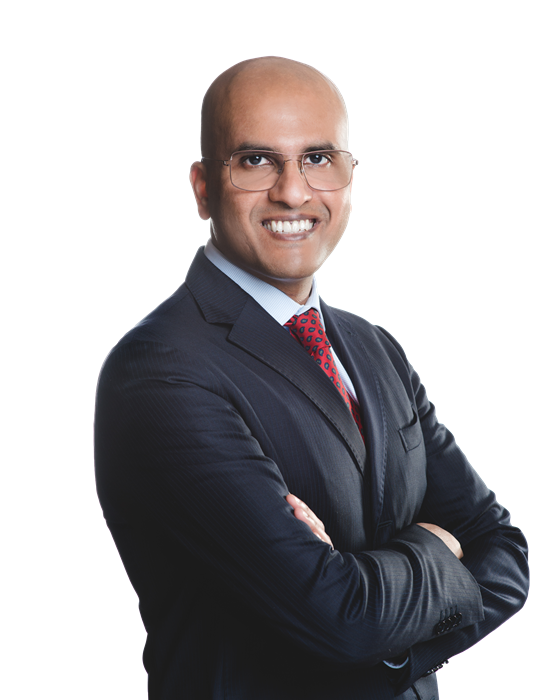
However, modern medical technology has the potential to change the lives of many children and adults with profound hearing loss – Cochlear Implants. Dr Shailendra Sivalingam, Consultant Otorhinolaryngology (ENT), Otology, Neurotology, Head & Neck and Skull Base Surgery at Sunway Medical Centre, Sunway City, shares the intricacies of cochlear implants, the significance of early intervention, the transformative benefits they offer, and the pivotal role of support groups in guiding parents, families and patients on this journey to restore hearing.
A Life Changing Solution for patients and children with hearing loss
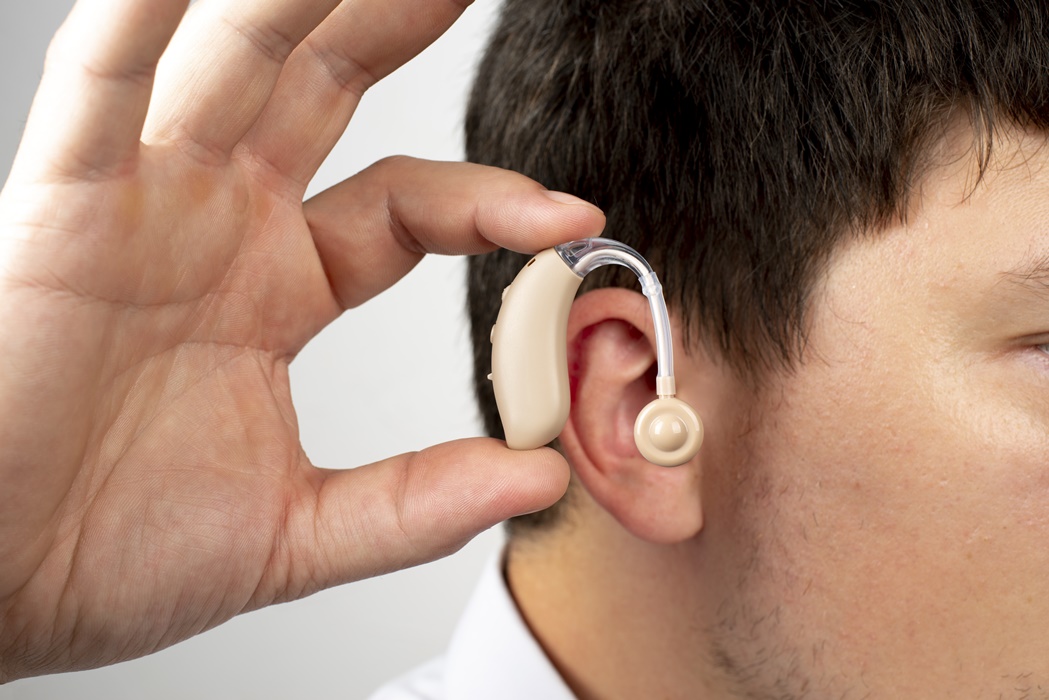
Cochlear implants can transform the world of sound from a distant dream into a vibrant reality for people with hearing loss – adults and children. Dr Shailendra explains what these devices do, “Cochlear implants consist of an internal device with electrodes implanted into the cochlea and an external device that captures the sound and transmits it to the implant. It bypasses the damaged cochlear, transforming sound energy into electrical signals that stimulate the auditory nerve and enable individuals to perceive sound.”
Cochlear implants, especially in infancy or early childhood, have the most benefit to children with hearing loss. Research shows that cochlear implantation before age 5 can profoundly impact a child’s auditory development and provide lifelong advantages for children with hearing loss.
“Early implantation is vital as the child’s auditory development where the ability to learn and comprehend speech rapidly diminishes after age four to five. So having the cochlear implant before 5 years of age enables them to achieve educational and social milestones that are on par with their hearing peers,” explains Dr Shailendra Sivalingam.
A Journey of Hope: Cochlear Implant Surgery Process and Recovery

The journey from surgery to recovery and therapy can be long and challenging, but its positive impact on a person’s life lasts a lifetime. The patients and their families can seek support from therapists at the speech and hearing centre at the early stages of diagnosis of hearing loss when selecting appropriate hearing aids for children before cochlear implantation and also during the recovery process.
Dr Shailendra also highlights the audiologist and speech therapists’ role in the patient’s recovery and therapy, “Once the patient is approved for surgery, they will undergo a surgical procedure to implant a cochlear implant under general anaesthesia. It involves placing an internal electrode array into the cochlea. After surgery, the patient will then begin mapping with an audiologist. During the 6 -8-month mapping process, the therapist will adjust the settings on the cochlear implant to optimise the patient’s hearing and speech. For kids, this regular mapping process ensures that the child’s hearing and speech capabilities continue to improve over time, especially as they grow.”
Dr. Shailendra shares the story of a young lady in her 30s who gradually lost her hearing, but after receiving her cochlear implant, she experienced a rapid recovery, and she is now able to hear and participate in activities that she could not do before, like hiking or trail running. She is now an inspiration to other patients considering cochlear implant surgery. She shares her story to help them understand that cochlear implants can be a life-changing gift.
Much-needed support and help for families and patients with hearing loss

Coping with hearing loss can be emotionally overwhelming for both parents and children with hearing loss. “The earlier we treat it, the better the results. For parents, hearing that their child needs a cochlear implant or has profound hearing loss can be a shock. Very often, denial and fear grip parents and this may delay vital intervention. In some cases, with children – by the time they return to us, the child’s window to have a successful cochlear implantation may have closed.” shares Dr Shailendra.
Furthermore, support groups and personal testimonials can be a lifeline for parents and children adjusting to cochlear implants. They offer emotional support, practical guidance, and shared experiences that can help families cope with the challenges of adjusting to a new way of life.
“Hearing firsthand from people who have successfully adjusted to cochlear implants can give families hope, inspiration and offer much-needed emotional support especially knowing others have been in their same situation. I had a patient who was initially worried about a cochlear implant but after hearing the impact it had on another patient’s life, the patient had the surgery and has not regretted it since.” he added.
With life-changing cochlear implants, early intervention, and the support of healthcare professionals, people with hearing loss can experience the beauty of sound and turn their world into bright symphonies.