






Answered by: Dr. Ong Sik Yong, Paediatric Gastroenterology and Hepatology Consultant, Sunway Medical Center, Sunway City
1. What causes constipation in children?
Constipation is when a child does not defecate enough so the bowel is full of faeces and overstretched. This is a fairly common condition among children. As many as two to three in every 10 children suffer from constipation.
The causes of constipation can be divided into either functional or organic constipation. Functional constipation, the most common cause of constipation in children (~95%), is when a child holds back bowel movement. This is often triggered by an episode of painful defecation when stools are too hard and dry.
Organic constipation on the other hand, occurs because of an underlying disease which is rarely found among children. The diseases include anorectal anomalies (abnormal anatomy of the anus or rectum), weak bowel muscle, spinal cord anomalies, endocrine diseases, electrolytes imbalances or the use of certain medications.
2. Are children more prone to constipation than adults? Why?
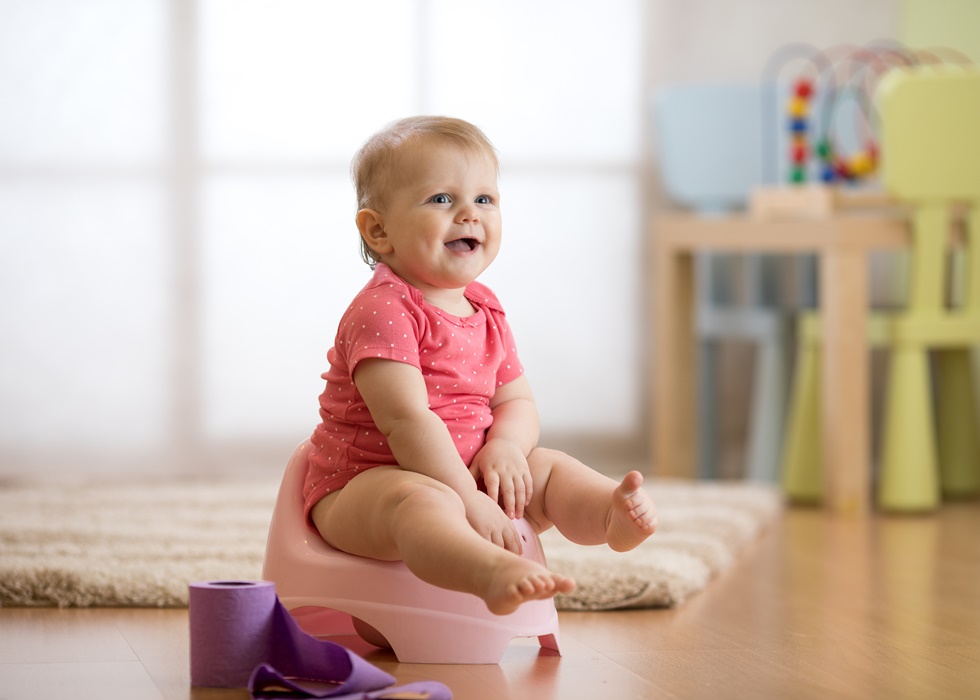
Constipation is almost equally common among children and adult. However, children and adolescents often have long history of unrecognised constipation as they are not comfortable in discussing their bowel habits. Parents or caretaker are also often unaware of their children’s stooling patterns.
Many children or adolescent would only be brought to medical attention when the constipation has caused troublesome symptoms such as painful defecation, bloatedness, abdominal pain, reduced appetite, or has resulted in complications such as rectal bleeding, faecal incontinence and urinary tract infection.
A normal growing child has at least 3 bowel movements in a week. Apart from the frequency of their bowel movement, the poo texture also needs to be soft for easier bowel movement. A child can have bowel movement everyday but would still be constipated if they have hard poo. A simple guide to a normal poo texture is to refer to Bristol stool chart, in which Bristol stool type 3 or 4 are ideal stools as they are easier to pass.
3. What are the symptoms of constipation in children?
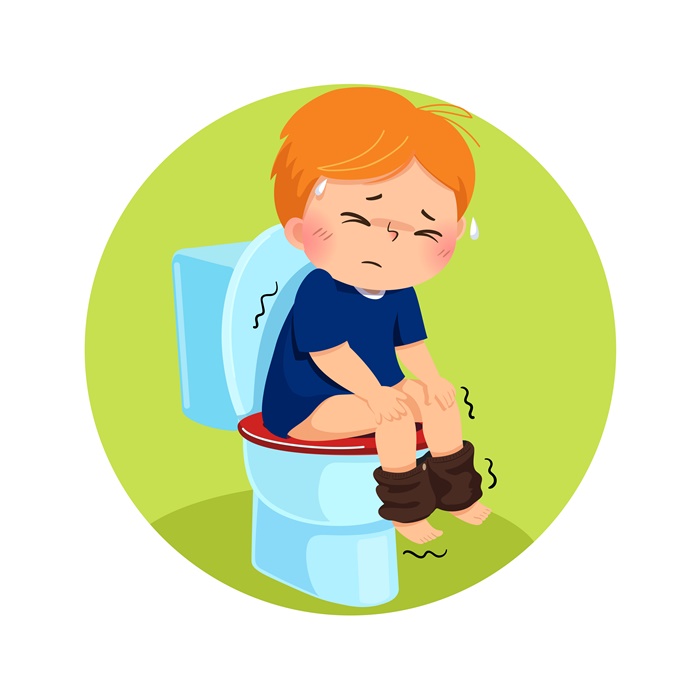
Children with constipation may experience the following symptoms:
- Not having bowel movements for several days, or passing hard, dry stools,
- Blood streaks on poo
- Painful bowel movement
- Abdominal bloating, cramps, or pain
- Reduced appetite
- Crossing legs, squeezing buttocks together
- Refusal to poop when potty training
- A little liquid or soft stool smear that soils the child’s underwear
- Repeated dirty urine
4. What food should children eat more of to avoid or minimise constipation?
Children who are constipated consume less water, vegetables and fruits. Vegetables and fruits, especially those high in insoluble fibres add bulk to stools, helping to promote more regular bowel movement.
Liquids add moisture to poo, making them softer and easier to pass. When the body does not get enough water, it becomes dehydrated and takes water from the intestines, which makes the poo drier and harder.
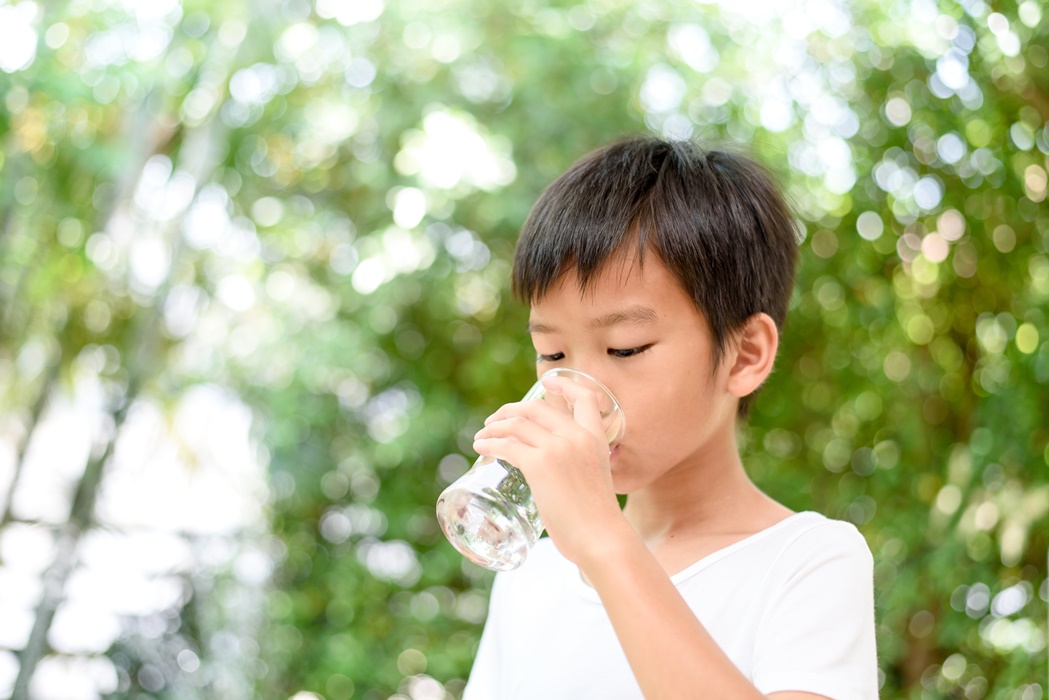
Hence, adequate intake of water and fibre is the first intervention in the treatment of constipation. The recommended daily intake of fibre for children is: age +5 grams/day. For example, a 5-year-old would need about 10 grams of fibre each day. Examples of fruits and vegetables with high fibre content include apricots, sweet potatoes, pears, prunes, peaches, plums, beans, peas, broccoli, or spinach. However, studies have shown that fibre intake above the normal requirements is not beneficial.
It is not necessary to drink large amounts of fluid to treat constipation, although it is reasonable to be sure that the child drinks enough fluid. For example, a child with 10 kg body weight needs approximately one litre of fluid intake a day.
Prebiotics and probiotics have been suggested as a potential treatment for constipation in children, but it has not been proven by research to support the use of these therapies.
Some may have thought that organic food consumption would help in reducing constipation. However, such a diet in children with functional constipation has not been supported by studies so far.
5. Does picky eating increase the chance of constipation in children?
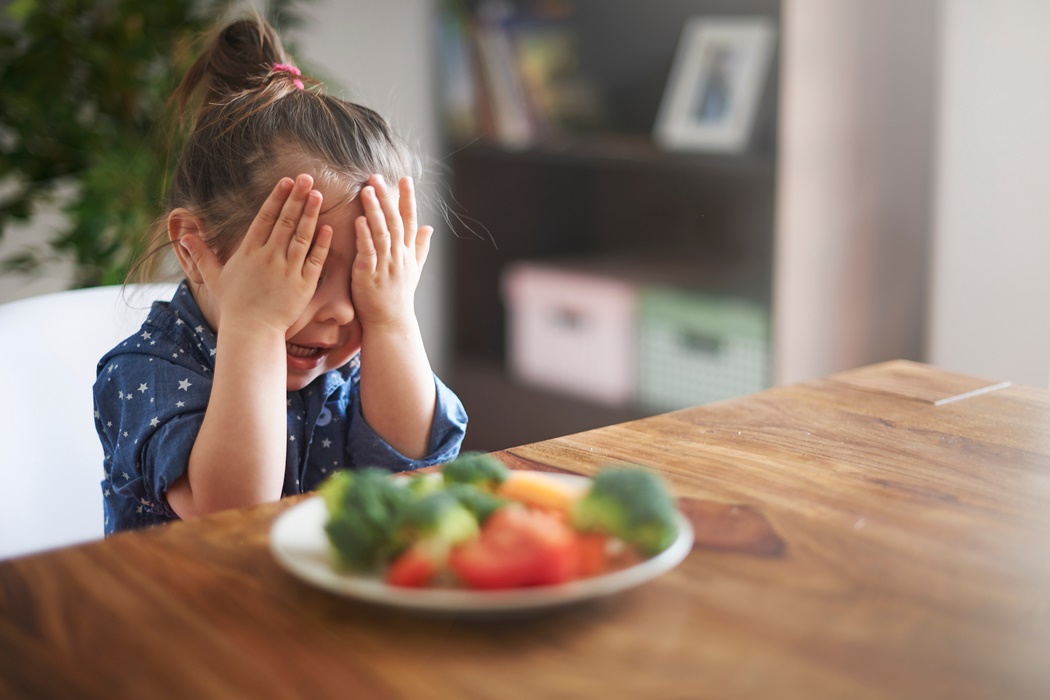
Picky eating can contribute to functional constipation in children as they often do not consume enough fibre in their diet. Some of these children avoid taking vegetables because of the taste, colour or texture.
Some tips that might help these children include serving a small portion of vegetables at a time so it’s less overwhelming or pairing the vegetables with something they like in their meals. It may take 10 or more tries before a child accepts new food, hence, do not give up if one does not succeed the first time in introducing vegetables to their children. Serving a variety of different vegetables would give flexibility and options to the child to find their favourite. Parents may involve the child in choosing which vegetable they want in their meal as well to give them a sense of control.
Apart from vegetables, there are a variety of fruits which are rich in fibre for the child to choose from to ease their bowel movement. Serving the fruits in different ways may excite the child with the different presentations and this would increase their acceptability. For example, serving fruits in juice form, as fruit salads, as smoothies, in bread such as raisin bread, as jelly, or in soups. Letting the child build their own salad is another way for children to be more interactive in food preparation that will make them more excited about what they are eating.
6. What lifestyle habits or routines can be helpful in reducing or avoiding constipation in children?
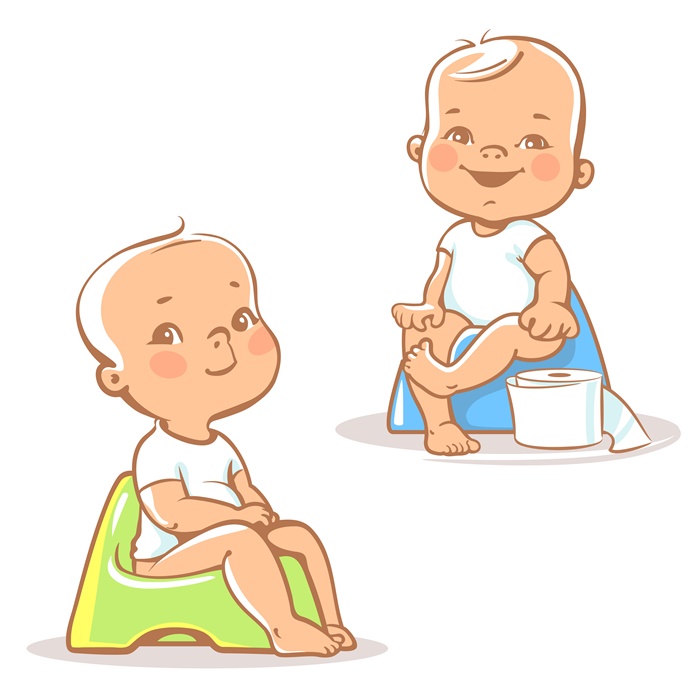
Healthy toilet habits can keep constipation at bay. If a child is toilet trained, encourage them to sit on the toilet or their potty for approximately 5 to 10 minutes once or twice a day after eating. Children are more likely to have bowel movement after a meal. Provide positive reinforcement to their good toilet habits by rewarding them with praise – even if they do not have bowel movement after they sit on the toilet.
It is important to ensure a child has a comfortable environment during their toilet time. For instance, placing a stool under their feet as foot support especially while using an adult-sized toilet. If possible, the foot support should be high enough that the child’s knees are slightly above their hips. This sitting position helps to relax the muscles in the pelvis and anus. The foot support also provides a place for the child to push against as they bear down and helps the child feel more stable when sitting on the toilet. Toilet inset is another example that can be used when a small size child prefers to use an adult sized toilet to make the toileting experience a pleasant one.
Some children would need their caretaker’s company while in the bathroom or they can be kept on the toilet seat for that 5-10 minutes reading a book for example.
Children tend to be too engaged with their play or activities and ignore their toilet need. Encourage children to respond to their urge to poo by sitting on the toilet or potty and avoid punishing or pressuring the child.
7. What is a Healthy Eating Plate (Pinggan Sihat Malaysia)? Does it help children with constipation?

The Pinggan Sihat Malaysia or Malaysian Healthy Plate provides a quick visual guide whether a meal is healthy and balanced or not. It emphasises on suku-suku-separuh or quarter-quarter-half portion in a meal where:
- 1/4 of the plate is filled with grains products, preferably whole grains such as brown rice or wholemeal bread
- 1⁄4 of the plate has fish, poultry, meat or eggs
- 1⁄2 of the plate should be filled with fruits and vegetables
This ideal portion in main meals will ensure that a child is provided with adequate macronutrients such as carbohydrate and protein but also enough amount of fibre rich food such as fruits and vegetables.
8. When should parents be alarmed and seek medical advice?

Constipation is particularly common at certain periods of a child’s life, especially during food weaning period and after starting semisolids or solid diets, during potty training, and after starting school. Parents can help by being aware of these high-risk times, working to prevent constipation, recognising the problem if it develops, and acting quickly so that constipation does not become a bigger problem. It is advisable to observe your child’s stooling patterns from time to time, and encourage children to report on their poo patterns. For instance, when the child starts school for the first time or after a long holiday.
Children who are given positive reinforcement by parents are more comfortable discussing their physical complaint and this should be encouraged in the family. If your child has worrisome symptoms (severe pain, rectal bleeding) with constipation or you have questions, call your child’s doctors for further advice.