




Becoming a mother is a beautiful and life-changing experience, but it also comes with its share of challenges. Postpartum depression unfortunately affects about 3.9% to 22.8% of Malaysian women, and globally, up to 40 million women each year and almost within the first year after childbirth1. During the postpartum period, a mother’s environment plays a crucial role in her recovery and overall well being. Creating a nurturing space where a new mom can relax, bond with her baby, and recharge is essential.
Imagine having a cosy corner for breastfeeding, a serene spot to unwind after a long day, and a nursery that feels like a peaceful haven. The colours and surroundings of these spaces can make a world of difference in a mother’s mood and comfort.
So, let’s explore how to design functional and inviting areas within your home using the power of colour and what colours can enhance specific spaces like a breastfeeding corner or a relaxing retreat, in order to create a nurturing environment perfect for mom and baby.
The Impact of Colour Tones and Lighting on Atmosphere
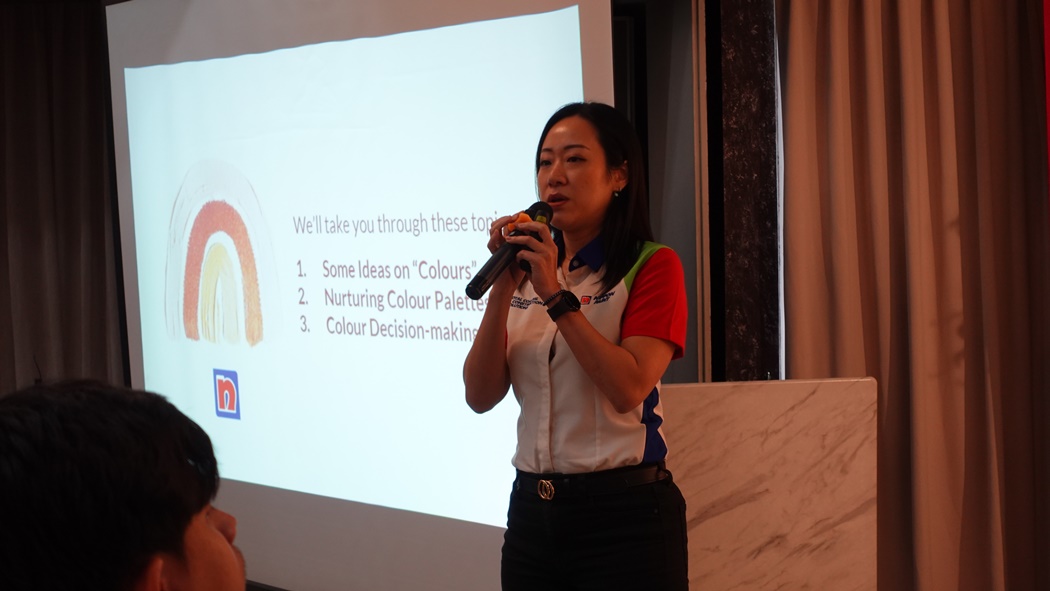
Creating the perfect atmosphere in your nursery or recovery space involves understanding how different colour tones and lighting options affect the mood and functionality of the room. During Parenthood’s recent Antenatal BootCamp, Jo-Lynn Yap, Senior Manager of Group Colour Leadership & Strategic Marketing at Nippon Paint Across Asia (NIPSEA), spoke on how different colours could affect the mother and the child’s psychology.
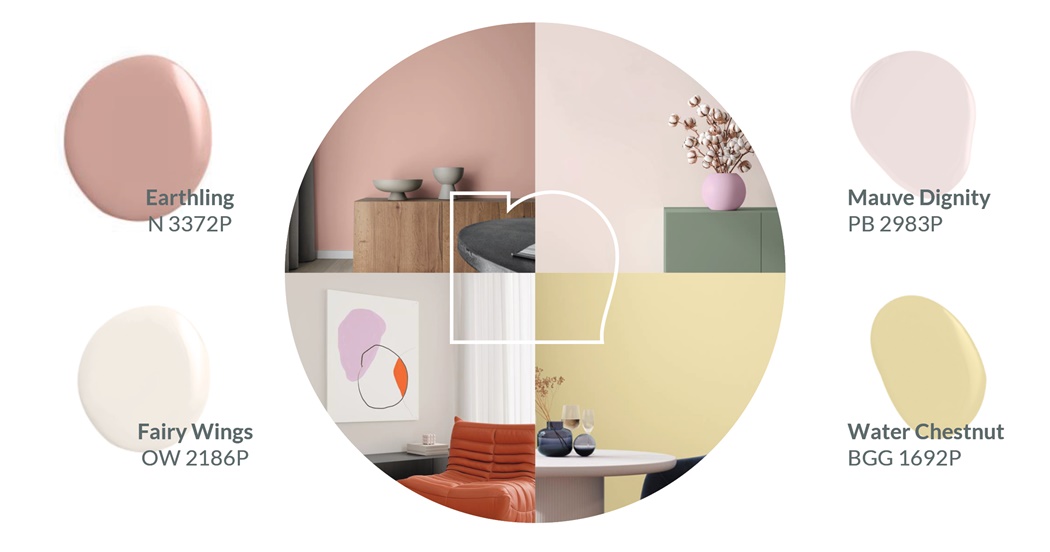
For example, pastel tones are gentle and soothing. They create a serene and peaceful environment, which is perfect for spaces dedicated to relaxation and rest. Pastels are ideal for larger areas, such as the main walls of a room. Their soft, calming nature helps to maintain a tranquil atmosphere, making them perfect for nurseries and recovery spaces where a peaceful ambiance is essential.
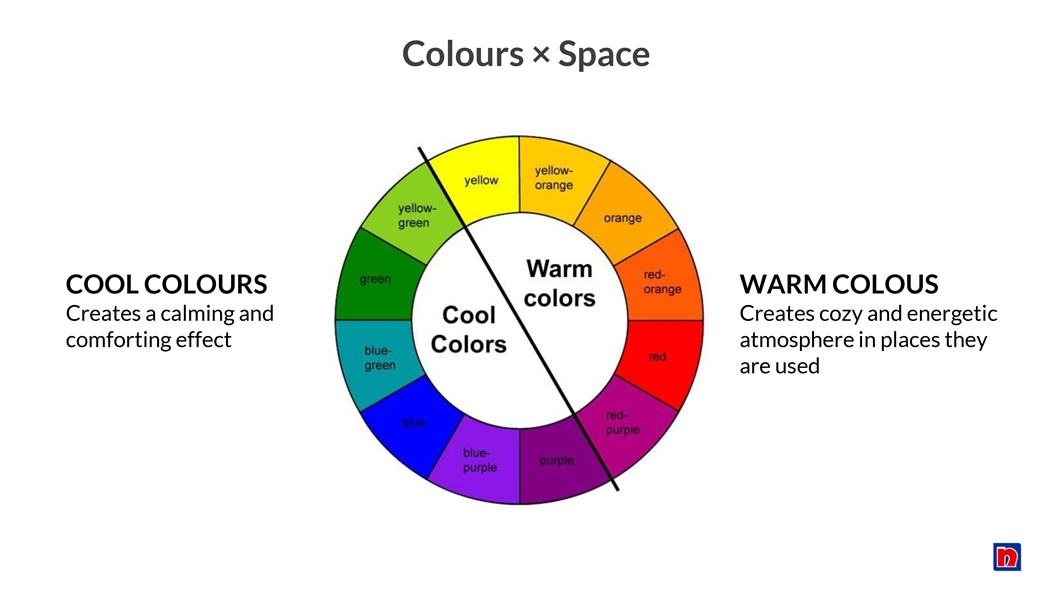
Muted tones are also suitable for nurseries or a breastfeeding room as it is subtle and sophisticated. They provide a calm and balanced atmosphere, which can be very grounding and comforting. They create a consistent, serene backdrop that can help maintain a sense of calm throughout the room. These tones work well in spaces where a cohesive, understated look is desired.
The Role of Lighting
- Natural Lighting
Natural lighting enhances the true colour of paint, making spaces feel more open and inviting. It also boosts mood and energy, which is particularly beneficial during postpartum recovery.
To maximise the use of Natural Light, use light curtains or blinds that allow sunlight to filter through without sacrificing privacy. You can also position mirrors opposite windows to reflect natural light and make the space feel larger and brighter.
Artificial Lighting
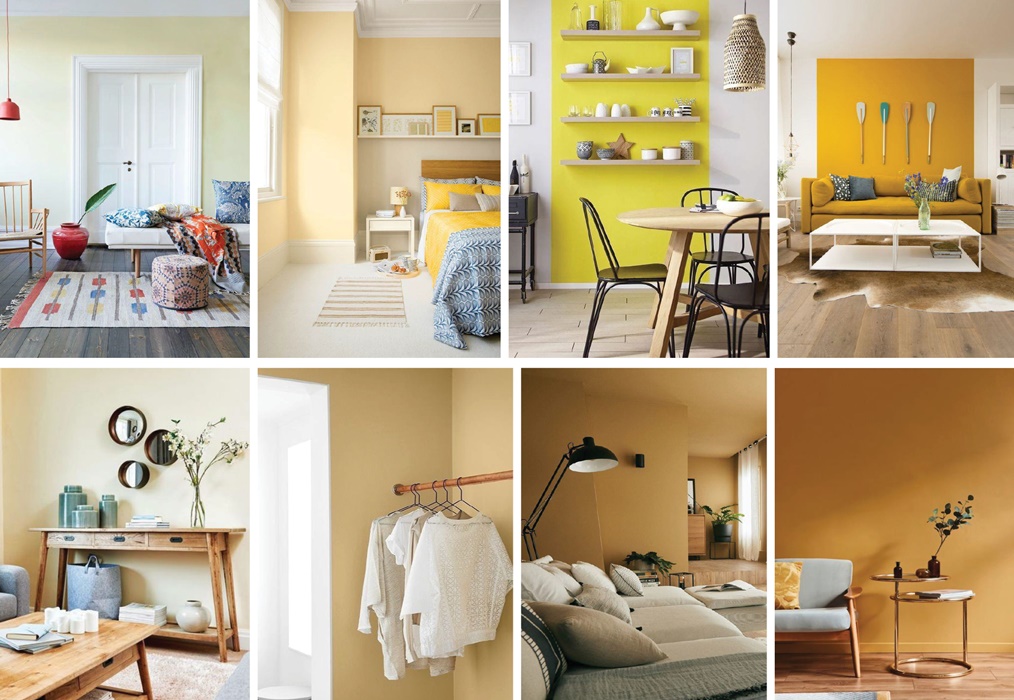
- Warm lights:
Warm lights complement warm and pastel tones, creating a cosy and inviting ambiance. They are perfect for areas where you want to foster a sense of comfort and relaxation.
- Cool lights:
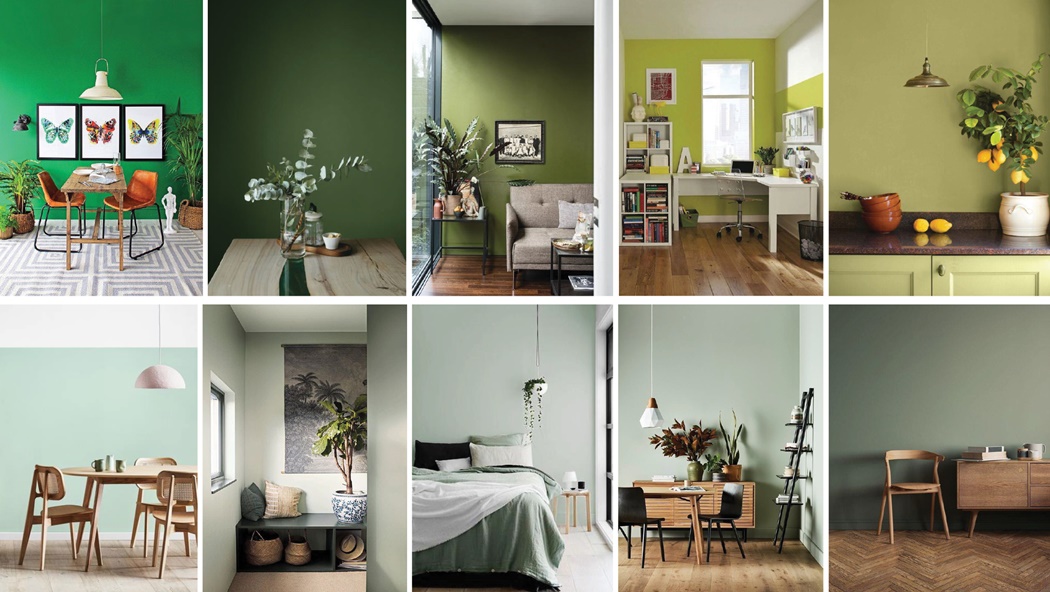
Cool lights enhance cool and bright tones, making the space feel fresh and airy. They are ideal for areas where a crisp, clean atmosphere is desired.
By carefully selecting colour tones and lighting options, you can significantly influence the atmosphere of your nursery or recovery space. These choices can help create a nurturing environment that supports your well-being and enhances your postpartum recovery experience.
Dimmable Lights – Dimmable lights are versatile and allow you to adjust the brightness according to the time of day and activity. This flexibility helps create the right mood for different moments, from bright and energetic to soft and soothing.
The 60/30/10 Rule
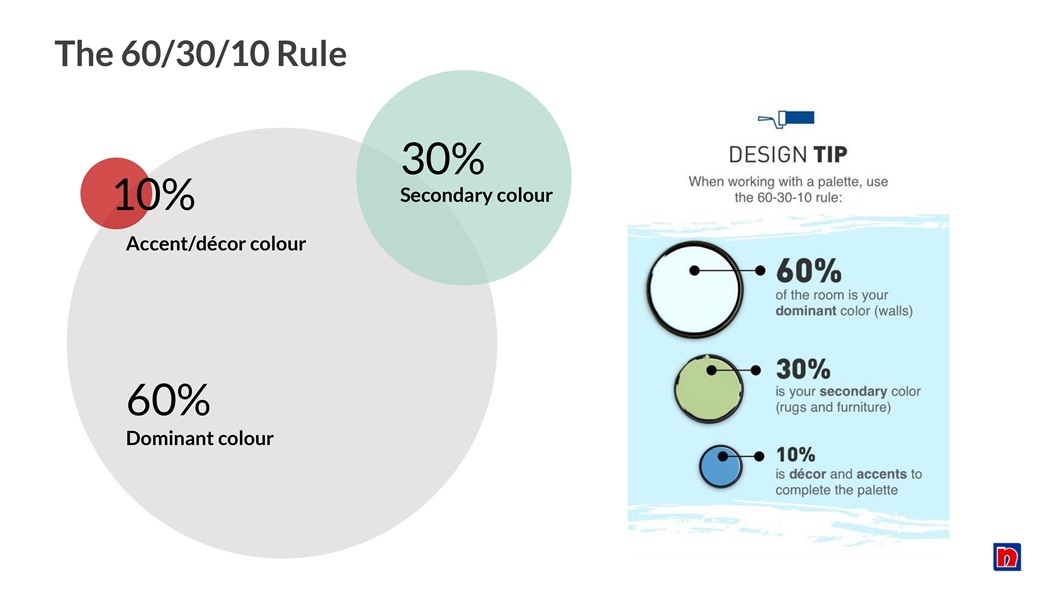
When designing a room, Jo-Lynn recommends that parents could go for the 60/30/10 rule to create a visually balanced and cohesive space:
- Dominant colours (60%): Set the tone with soft neutrals or calming pastels. You can paint walls and large areas to set a serene tone.
- Secondary colours (30%): Choose secondary colours for items like the crib, rocking chair, or curtains to add depth and coordination. You can complement the dominant colour with slightly darker or lighter shades.
- Accent or décor colours (10%): Add pops of bold or contrasting colours to highlight specific elements in the room. For example, throw pillows, artwork, and small decor items to infuse personality and highlight specific elements.
This approach ensures that the room feels cohesive and thoughtfully designed, providing a nurturing environment that supports both you and your baby during the postpartum period.
With the right colour tones and lighting, you can create a functional haven that enhances your well-being and makes your postpartum recovery a more comfortable and enjoyable experience. For more colour selections and themes, visit www.nipponpaint.com.my.