



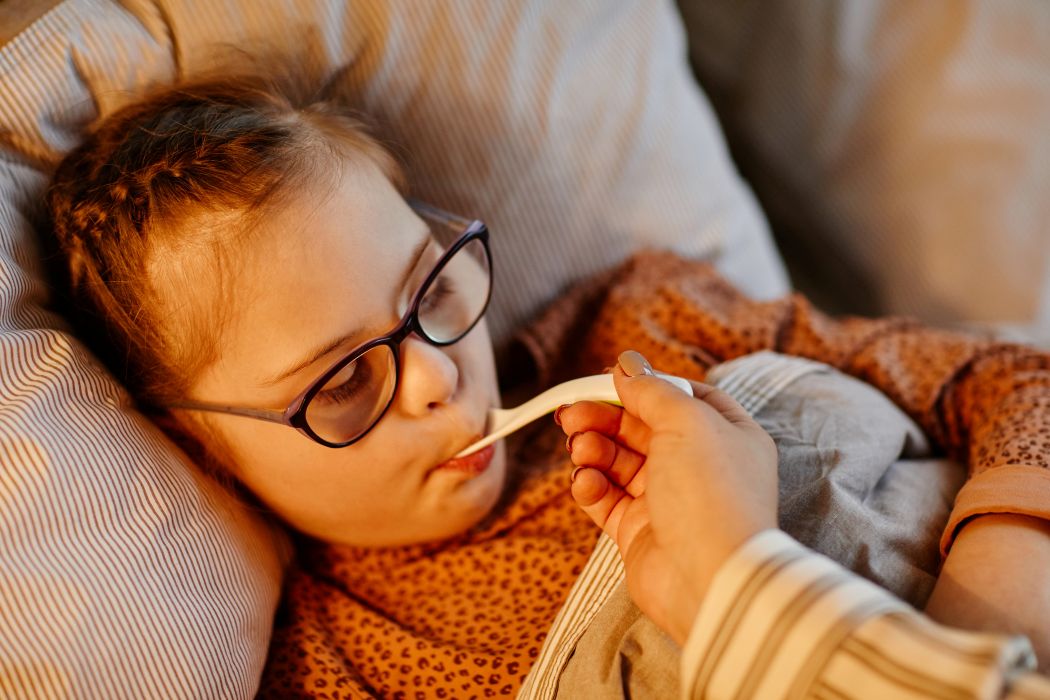


We show you how to use food in sickness and in health. The right kind of food can be used to help deal with a range of problems.
While eating the wrong kind of foods can definitely cause illness in our kids, the fact is that the right kind of food can be used to help deal with a range of problems. Here, we run through some common ones and the best foods to help your child through a bout of illness.

CONSTIPATION
Your little one may be constipated if she says it hurts when she poos, she poos her pants without meaning to, or she complains of stomach pains that come and go. Constipation in babies is harder to detect, except that they strain and get quite upset trying to pass a stool. These poos are often darker in colour and quite dry or pellet-like.
Causes: Usually not enough fibre from food or water in their diet. The other main reason is that littlies may try to hold onto their poos as they are too scared to or don’t want to go to the toilet.
Treatment: If they are very constipated, you need to get rid of the poos that have built up using a gentle laxative or glycerin suppository (check with your doctor first). To prevent constipation from returning, you must increase fibre-rich foods in their diet. Make sure they are having at least two pieces of fruit and at least one cup of vegetables or salad items in their day. Choose fibre-rich breads such as wholemeal or wholegrain and high-fibre cereals. Try to get them to drink water regularly to soften the fibre in their bellies. It is also important to encourage them to run around as exercise helps to move their little bowels. Finally, encourage good toileting habits to go regularly and not hold on.

Seek further medical help if: They are not doing a poo every day or they are still having trouble passing a motion.
DIARRHOEA
Children can have acute or chronic forms of diarrhoea. Diarrhoea is usually associated with loose, watery stools occurring more than three times in one day. It is a common problem that usually lasts a day or two and goes away on its own without any special treatment. However, prolonged diarrhoea can be a sign that your little one is sensitive to something they are eating or drinking.
Causes: Bacteria, viruses, parasites, medications, gut disorders such as an allergy to gluten, and food sensitivities such as lactose intolerance. Infection with the rotavirus is the most common cause of acute childhood diarrhoea, usually lasting three to nine days.
Treatment: Rehydration is the most important treatment for little ones. Water or hydration fluids such as Hydralyte, ice blocks or liquid to replenish the lost fluids. Until the diarrhoea subsides, try to avoid milk products and foods that are greasy, high in fibre, or very sweet. These foods tend to aggravate diarrhoea. As your little one improves, you can add soft, easy-to-tolerate foods, including bananas, plain rice, boiled potatoes, toast, crackers, cooked carrots and skinless chicken, which is low in fat.

Seek further medical advice if: Diarrhoea persists as dehydration in children is very serious. Also, if your little one is lethargic or has a temperature. It is important for a doctor to check for intolerances such as lactose and fructose or allergies such as egg, nut, dairy, shellfish or wheat.
GAS OR TUMMY PAINS
A build-up of gas can cause cramps and pains in children’s intestines, even if there is no evidence of constipation or diarrhoea. The belly can appear very swollen and the skin quite taut (like a drum).
 Causes: Essentially, the build-up of gas is due to bacteria in the lower intestines fermenting undigested fibrous particles left over from digestion. This is generally not an intolerance, just an overproduction of gas that can’t escape.
Treatment: Try cutting down on the more ‘windy foods’ such as legumes (baked beans, chickpeas, lentils and hommus), broccoli, cauliflower, brussel sprouts and cabbage, apples, and onions. Ensure they are having enough water to keep their little bowels moving and encourage them to move to help dissipate the gas. It is also worth trying a Probiotic to replenish the good bacteria back to the bowel.
Seek further medical advice if Dietary changes have made no difference and it is making them unhappy or affecting the way they eat or sleep.
ASTHMA
Asthma is very common, with approximately one in every eight or nine children displaying symptoms. These are wheezing, breathlessness, tightness in the chest and coughing and for most little,s the symptoms will lessen with age.
Causes or triggers: Foods are not common asthma triggers; however, there is a strong link between allergies and asthma symptoms. On the other hand, it is the food additives that are the culprits – the main one being metabisulphite, used in preserving foods such as dried fruit and some sausages. Other triggers are the common cold, weather changes, exercise and airborne particles such as pollen.
Treatment: Provide a healthy well well-balanced diet full of fresh fruits and vegetables, lean meats and dairy foods. Some parents report that dairy foods make their children’s breathing worse however, there have been no studies to back this claim. One thought is that the dairy foods coat the mucous, making it thicker, which may make breathing more laboured.

Seek further medical advice if Asthma attacks are severe or continuous, as there could be other food allergens involved, such as eggs and nuts or additives such as tartrazine (yellow dye), benzoates (preservatives in soft drinks), monosodium glutamate (known as MSG) and salicylates.
VOMITING
Littlies regurgitate foods for many reasons – either to get rid of a potentially harmful substance, as a result of motion sickness or simply as a result of overconsumption of party food. Some bubs happily bring up milk after every feed (known as positing); however, others vomit for very specific reasons, such as eating contaminated food or drink.
Causes: A once-off vomit is usually caused by overeating or an emotional upset and is rarely due to a serious disorder. Repeated vomiting is most likely to be due to an infection of the digestive tract or the stomach not emptying properly – foods that are hard to digest, such as fatty or sugary foods, can cause the body to vomit. Infections elsewhere in the body, such as in the urinary tract, can also cause vomiting in children, however, there are usually other symptoms as well.
Treatment: If your child has been vomiting, it is important to make sure that he drinks plenty of fluids to avoid dehydration – give him sips straight after a vomit as this maximises the time for absorption before he vomits again. Check their temperature and if you are concerned, take them to a hospital. Once their vomiting has subsided, they can return to a relatively normal diet; however, use bland, easy-to-digest foods for the first few hours when their hunger returns. Bread, crackers, dry cereals, chopped fruit (avoid fruit juice as this is quite acidic on the tummy), pieces of lean meat, chicken and fish or a dippy egg with toast fingers.

Seek further medical advice if the vomiting continues for more than a few hours or if you suspect intolerance to a food that needs further investigation.