





In today’s digital age, the widespread use of personal devices like smartphones, tablets, and headphones, particularly among children and young adults, has raised concerns about noise-induced hearing loss (NIHL). A recent study in the US found that 17 percent of teens today show signs of NIHL1. With approximately 1.1 billion teenagers and young adults worldwide affected by NIHL, mainly due to headphone and music player device usage2 prevention becomes paramount. Dr. Priatharisiny Velayutham, Consultant Paediatric ENT and ENT Specialist at Sunway Medical Centre, shared invaluable insights into the types, causes, prevention, and treatment of hearing loss especially among children and young adults.
When it comes to hearing loss, there are two main types of hearing loss: conductive and sensorineural. Conductive hearing loss, often caused by diseases affecting the ear such as fluid buildup or wax accumulation, is generally treatable3. However, sensorineural hearing loss, which affects the nerve cells and is commonly induced by exposure to loud noises, is permanent, bilateral, and irreversible. This includes noise-induced hearing loss4 where high-frequency exposure from personal devices, concerts, and other sources damages nerve cells in the inner ear, leading to hearing loss.
According to the World Health Organization, in 2020 about 466 million individuals worldwide have disabling hearing loss, which is expected to almost double by 20505. The most concerning finding is that, up to 60% of cases are preventable6. Dr Priatharisiny explains, “In the past, noise-induced hearing loss was primarily associated with industrial noise exposure. However, with the proliferation of personal devices like smartphones and headphones, noise-induced hearing loss has become increasingly common among children and young adults. Worse, this type of hearing loss is permanent and irreversible.”
Misconceptions and Recognising the early signs of hearing loss among children.
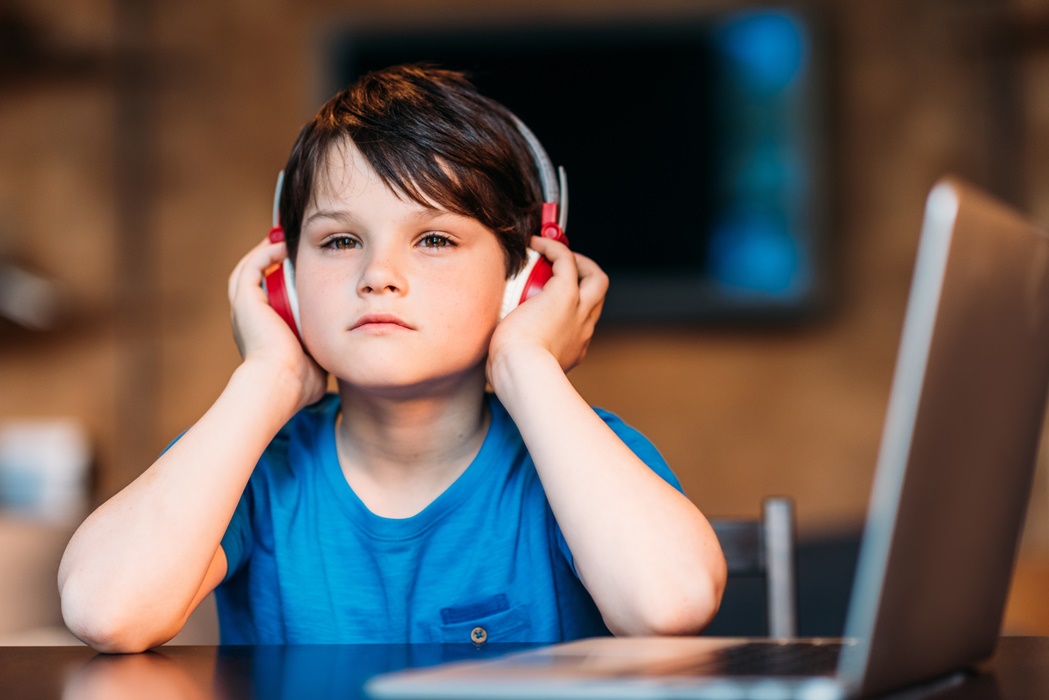
Early signs and symptoms of hearing loss among children can often go unnoticed, but there are several early signs that parents should be aware of. Dr. Priatharisiny shares, “One common indicator is that if a child frequently listens to the TV or other electronic devices at a high volume, they also may have difficulties in school, such as struggling to follow instructions or falling behind academically and stagnating vocabulary growth. Speech and language delays can also be a significant red flag, as children may have trouble articulating words or understanding others7. Many parents may not realise noise-induced hearing loss may be the problem so a hearing test and seeing a specialist or a paediatrician are crucial.”
Dr Priatharisiny adds, “When it comes to noise-induced hearing loss, prevention is key. Parents play a crucial role in monitoring personal device usage among children and limiting exposure to loud noises. It’s essential to take breaks between sessions and consider using earplugs or noise protection gear for children in noisy environments like concerts.”
One common misconception that Dr Priatharisiny addresses, “The less exposure, the better. Parents may not be aware that exposing adolescent to more than 80 minutes of headphone use puts them at 4.7 times higher risk of hearing loss than those who use it for less than 80 minutes per day.8. One potential way to set a timer and a certain 30 minute to one-hour period where headphone use is allowed for the child to help prevent the risk of this type of hearing loss.”
Rising Importance of Early Screening and Detection for Hearing Loss
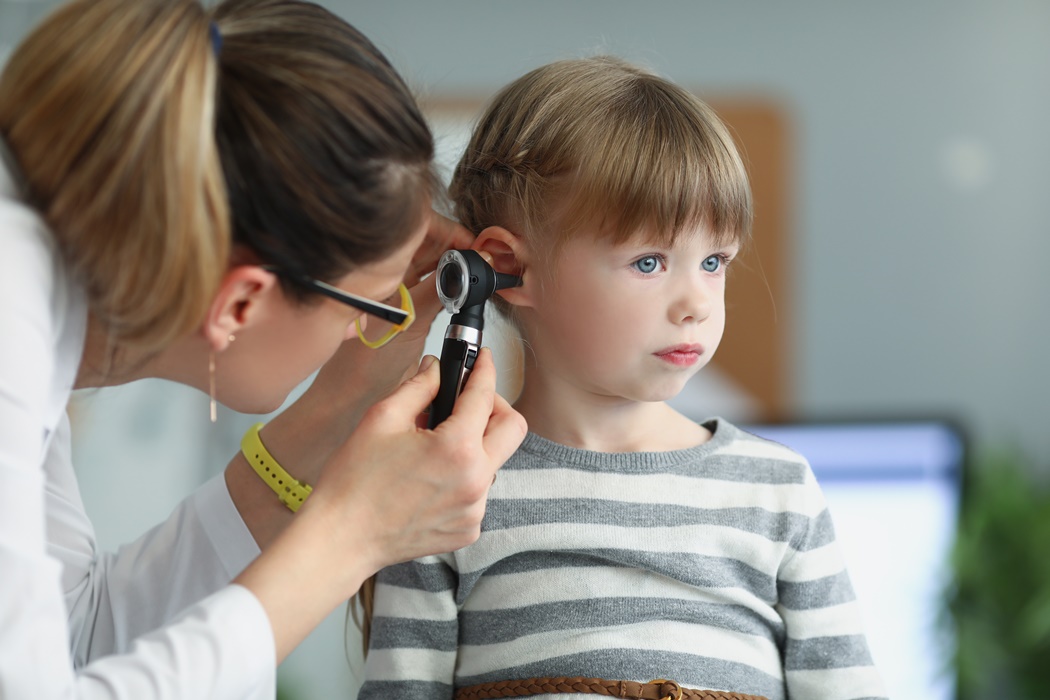
Moreover, Dr Priatharisiny stressed the importance of early intervention and regular hearing screenings.” Waiting too long to address hearing loss can lead to irreversible damage. In fact, many individuals have already lost up to 50% of their hearing by the time they seek help or see a specialist.”
In terms of treatment, Dr Priatharisiny shares the most common treatment options available are hearing aids for moderate to severe hearing loss and cochlear implants for more severe or profound cases of hearing loss. She added, “Hearing aids help amplify the sounds and help them hear better, but it does require some adjustment period with the audiologist. Due to the sound amplification, wearing it more often helps the brain to adapt to the hearing aid better”.
How parents can play a part in helping to prevent the risk of hearing loss
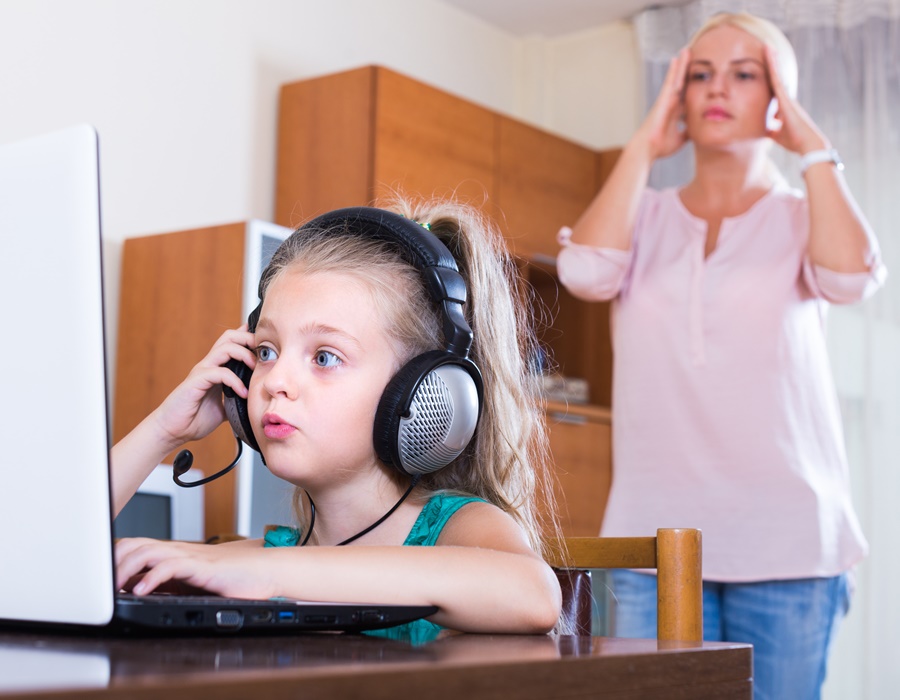
Dr Priatharisiny shares some advice on how parents can help their kids minimise the risk of noise-induced hearing loss which includes:
- Limiting personal device usage at an early age such as headphone use as a “treat” upon completing tasks or homework can help instill healthy habits, emphasizing quality over quantity in device usage.
- Encouraging activities such as reading and listening to books or stories instead of video or TV screens can help children’s development as speech recognition in noise is linked to cognitive ability, with working memory and reading span being more effective than general ability measures9.
- Encourage time without personal devices especially during mealtimes or quality time to foster meaningful interactions and reduce dependency on screens and devices.
- Early intervention and regular screenings are essential for detecting and addressing hearing issues promptly, ensuring a better quality of life for the younger generation.
References:
1. http://pediatrics.aappublications.org/content/127/1/e39.long
2. Chadha S., Cieza A. Promoting global action on hearing loss: World hearing day – PubMed (nih.gov). Int. J. Audiol. 2017;56:145–147. doi: 10.1080/14992027.2017.1291264.
3. https://www.ncbi.nlm.nih.gov/books/NBK563267/
4.https://www.ncbi.nlm.nih.gov/books/NBK565860/#:~:text=Sensorineural%20hearing%20loss%20results%20from,to%20reach%20the%20inner%20ear.
5. https://www.who.int/news-room/fact-sheets/detail/deafness-and-hearing-loss
6. https://www.ncbi.nlm.nih.gov/pmc/articles/PMC6796666/
7. Language and speech outcomes of children with hearing loss and additional disabilities: Identifying the variables that influence performance at 5 years of age – PMC (nih.gov)
8. https://www.ncbi.nlm.nih.gov/pmc/articles/PMC7837842/
9. Akeroyd, M. (2008). Are individual differences in speech reception related to individual differences in cognitive ability? A survey of twenty experimental studies with normal and hearing-impaired adults. International Journal of Audiology, 47, S53 – S71. https://doi.org/10.1080/14992020802301142.