





Mother’s Day is fast approaching, and it is the only day that celebrates mums everywhere. A day when Mum is given special attention with extra care and gifts by her family.
Did you know that in some parts of the world, Mother’s Day is celebrated on a different day than us, here in Malaysia? We, in Malaysia celebrate Mother’s Day on every second Sunday of the month in May. The United States of America (USA) celebrates on the same day and month just like us here too.
When it comes to Mother’s Day traditions and cultural celebrations- it varies in many parts of the world. In Malaysian households, Mother’s Day begins with a nice homemade breakfast, a bouquet, homemade cards, and other tokens of affection for Mum. However, in other corners of the world, honouring Mum is not just a special holiday, it’s an ancient tradition that has been celebrated throughout generations.
Let’s take a trip around the world to discover how and when Mother’s Day in other countries is celebrated.
United States of America (USA)

The second Sunday in May traditionally begins by giving flowers, taking Mum out for brunch, or writing something sweet on a Mother’s Day card. The origins of Mother’s Day are attributed to different people in the United States. Many believe that two women, Julia Ward Howe and Anna Jarvis, were important in establishing the tradition of Mother’s Day in the United States. Other sources say that Juliet Calhoun Blakely initiated Mother’s Day in Albion, Michigan, in the late 1800s. Her sons paid tribute to her each year, and urged others to honour their mothers.
Mother’s Day has been an official holiday since 1914 due to Anna Jarvis’ campaign in 1908 for an official holiday dedicated solely to honouring mothers.
Japan
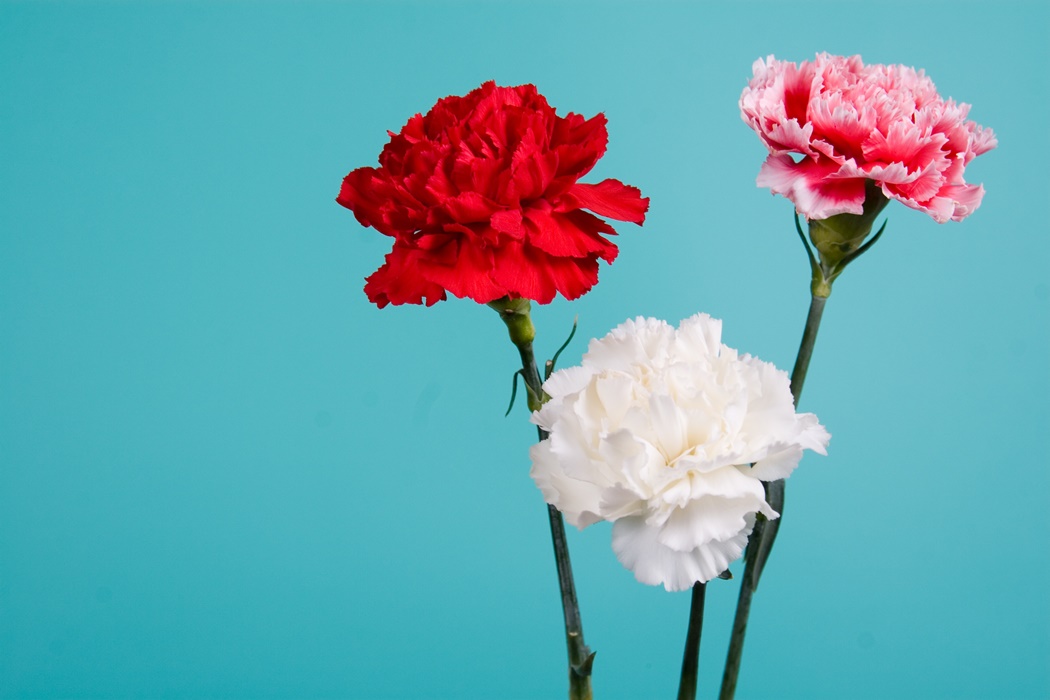
There is some dispute about when Mother’s Day was first celebrated in Japan. Some say it was introduced by Christian missionaries in 1913. Others say that it began to be celebrated in 1931 and the date chosen was March 6th as it was the birthday of Empress Kojun, mother of the then Emperor Akihito.
Following World War II, a version of Mother’s Day grew popular as a way of comforting mothers who had lost sons to the war. Carnations are presented around this March holiday, as they symbolise the sweetness and endurance of motherhood in Japanese culture. Originally, children gave a red carnation to a living mother and displayed a white one if their mother had died. Now, white has become the traditional colour.
With the end of the war, in 1949 Mother’s Day returned to the Japanese calendar, but this time the date was changed to the second Sunday in May similar to the United States.
Ethiopia
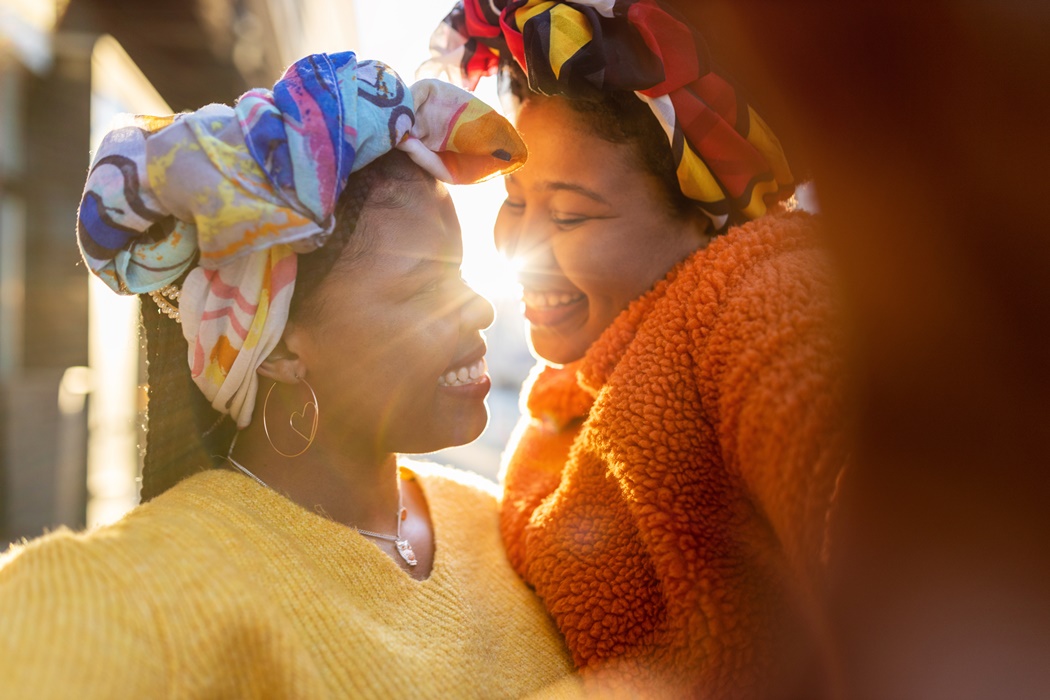
Mother’s Day is an extra special day in Ethiopia that it lasts for three days. Not only is it a day to honour mothers, it also comes at the end of the rainy season which is something special of its own. Instead of celebrating Mother’s day in May, it comes mid-fall – the Antrosht festival, observed at the end of the rainy season in early fall, is dedicated to mums. After the weather clears for good, family members from all over flock to their homes for a large meal and celebration. Daughters traditionally bring vegetables and cheese, while sons supply meat.
After the meal, mothers and daughters ritually anoint themselves with butter on their faces and chests. They dance while the men sing songs in honour of family and heroes. This cycle of feasting and celebration lasts three days.
United Kingdom

Taking place on the fourth Sunday of every Lent, the European tradition of Mother’s Day is officially known among religious groups as Mothering Sunday. Mother’s Day typically revolves around when Easter is in the UK which is different each year as it is determined by the lunar calendar. It is the official time of year to give mums a day off from doing the multitude of daily jobs they’re usually tasked with. Kids, partners and even friends celebrate the day by buying gifts for mums, or simply picking up the slack a bit more around the house.
Back in the 1700s, the day was marked by young house servants returning home to spend time with their mothers. That custom evolved from an earlier one in which families who had moved away would return to the original church they attended. Today, the holiday remains grounded in religion, with many churches handing out daffodils for children to give to Mum. Traditionally, girls also bake a fruitcake for their mothers.
France
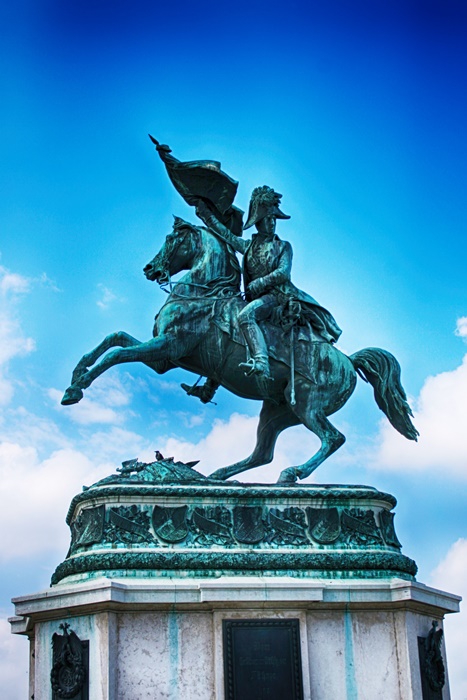
The origins of the celebration in France date from the Napoleonic era. In 1806, French emperor Napoleon I established a special day dedicated to the mothers of large families. The aim was then to honour the widows who lost their husbands during the war. In 1920, the government of France began awarding medals to mothers of large families in gratitude for helping rebuild the population after so many lives were lost in World War I. After the second World War, the government declared the last Sunday in May to be the Day of Mothers.
The traditional gift is now a flower-shaped cake and the common gifts are flowers, perfume and jewellery. French people usually spend around forty euros on a gift for their mothers for that particular day. Young children are also used to preparing secret gifts at school for mum!
While Mother’s Day is celebrated on different days in different parts of the world, let’s not forget a mother’s role in an individual life. Her strength, her love, and her care are unmatchable. She is the pillar of a family and she’s irreplaceable. Happy Mother’s Day!