





Being a woman is no easy task. Periods, pregnancy, gender inequality, sexual harassment, are just few of the things that women face throughout their lives. We’re not saying men don’t experience some of these things; we’re simply stating it tends to happen more often to women.
Every other day we are reminded by the beauty standards and expectations that society has placed on women – Asian women? Lagilah! Now, as if being a “woman” isn’t hard enough, being a mum – that’s next level! So on top of having to go through all the things mentioned above, you’re also responsible for taking care of little humans.
It’s amazing what women can do and withstand.
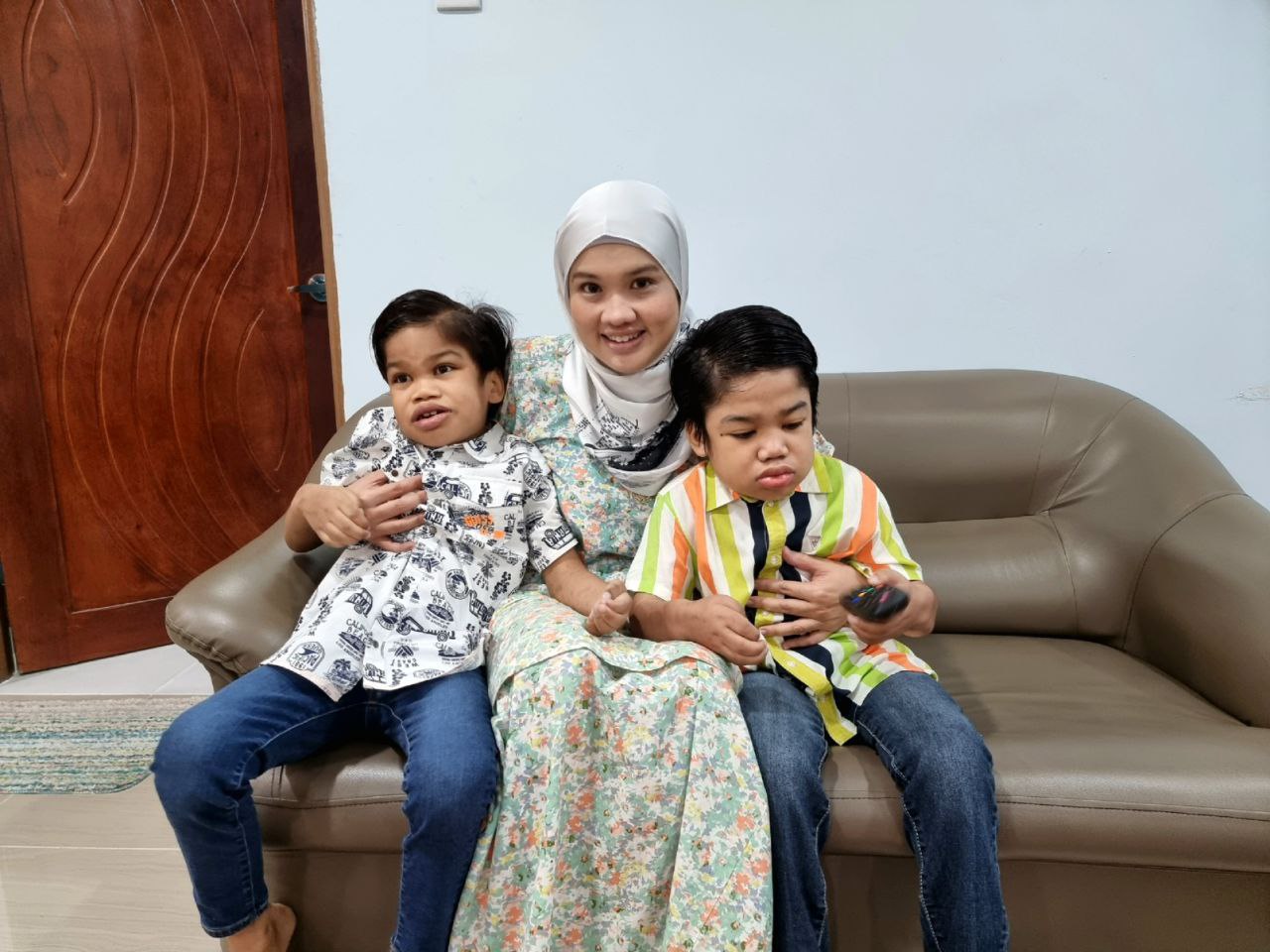
This time for Parenthood Personality and in conjunction with International Women’s Day this 8th of March, we’d like to share with you a story that has inspired many of us here in Parenthood, and it starts with a woman named Rubee Ahmad.
Rubee Ahmad is 40 years old and works in the human resources department of an international food and beverage company. She is also a mother to Ahmad Adam (my firstborn) and Muhammad Arman who were both diagnosed with a rare disease called MPS II (Hunter Syndrome).
Mucopolysarcharidosis type II (MPS II) is a rare, inherited disorder. Children with this condition have an abnormal accumulation of complex sugars in their cells, which affects many systems in their bodies. Hunter syndrome primarily occurs in boys and is one of about 50 diseases classified as lysosomal storage disorders (LSD).
Balancing work and at the same time caring for her two sons is a challenge, says Rubee. “I am in charge of making sure that employees are motivated and inspired, but there will be days when it is difficult to keep myself pumped up at work, given my situation. But I know I have to soldier on as the additional income will help me provide the best of everything to my children.”
Signs & Symptoms of MPS II May include:
- Coarse facial features, including thickening of the lips, tongue and nostrils
- A broad nose and flared nostrils
- Claw-like hands
- Progressive loss of hearing
- Aggressive behavior
- Stunted growth, usually after age 4 or 5
- Joint stiffness
- Diarrhea
- Carpal tunnel syndrome
- Sleep apnea
- Skin lesions on the back and upper arms
Newborns with Hunter syndrome typically do not have any signs or symptoms at birth. Here, Rubee shares her journey on how she found out about her sons’ diagnosis and how she manages to push through and stay strong for her family.
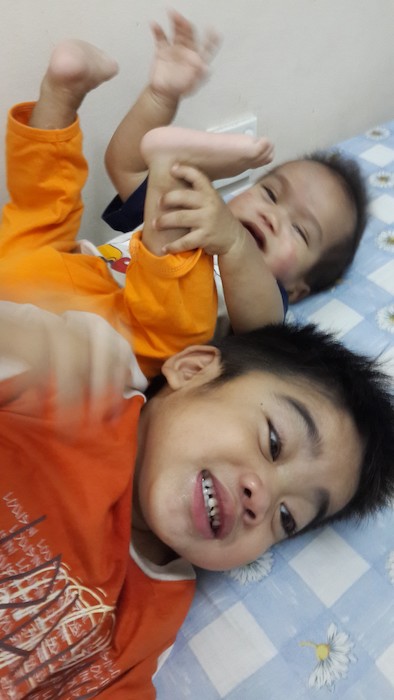 Parenthood: What was the first thing you noticed that triggered you to get your firstborn checked?
Rubee: Adam was generally healthy except that he was often sick with flu. We took him to different doctors but they just prescribed medication. However, as he grew older, we noticed that he was not speaking and his hands were curved like claws. At first, we thought it might be autism, but when I described Adam’s symptoms, another parent said it sounded like MPSII so I looked it up.
Parenthood: How long did it take before your child was diagnosed?
Rubee: Adam was around five years old when one of the ENT specialists noticed his clawed hands and referred him to the Genetics Clinic at Universiti Malaya Medical Centre (UMMC). Genetic assessment, counselling and testing were done to confirm the diagnosis. He was already having severe symptoms such as difficulty breathing and deformities of the back and hands. Then we decided to have Arman tested as well. Arman was diagnosed at two and started treatment earlier so his symptoms are milder.
Although the diagnosis journey was a roller-coaster ride, we are blessed that Adam was finally diagnosed correctly. After learning more, we finally understood that, even without a cure, we could manage the disease so that our sons can experience a better quality of life. We had no choice but to accept this even though it is not an easy journey, as no parents can readily accept their child living with a lifelong terminal illness. However, we are determined to be positive and resilient, and commit to managing the disease as this is the only way forward for us to improve the quality of their lives and ours.
Parenthood: During the first few years prior to a confirmed diagnosis, were people talking/ giving their opinions and comments? If so, how did you handle it?
Rubee: Actually, until today, the only place I feel my family and I are accepted is at the hospital. I always feel “judged” by society. Finding acceptance is one of the hardest parts of having a child with a rare disease. Very often, advice from relatives and friends, while given from a good place, will make me feel anxious and misunderstood; in public places such as restaurants for example, people are always curious and will stare at my children.
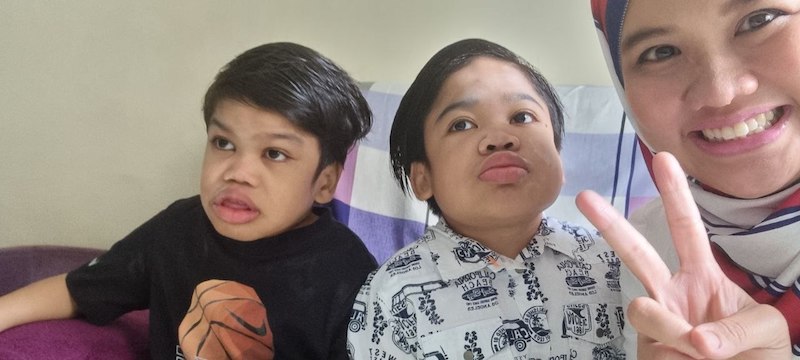
This makes me very uncomfortable and I wish that more people would understand that my children, like other children with special needs, also deserve to live a good life and enjoy simple things like having a nice meal out.
“Finding acceptance is one of the hardest parts of having a child with a rare disease.”
Parenthood: How did you feel when you received the diagnosis? Were you at any point in a stage of denial?
Rubee: At first, I was excited because I felt like I had finally found an answer. But when I learned more about the condition, it broke me. It was the day that changed our lives forever…Knowing there was no cure and that many children don’t reach adulthood weighed very heavily on my heart. We were in denial, and it took us six months to accept the news. It was the longest six months of our lives.”
Parenthood: Taking care of two children with MPS II isn’t an easy task, what keeps you motivated and strong?
Rubee: Emotional support is so important, because how else can parents endure such difficult news? We were in denial at first, and in such despair about caring for Adam and how to afford treatment for him. We are so blessed to have medication that helps, a wonderful doctor, and family and friends who support us in so many ways. With their help, we can remain positive and resilient, and dedicate ourselves to managing the condition so we can improve the quality of their lives and ours.
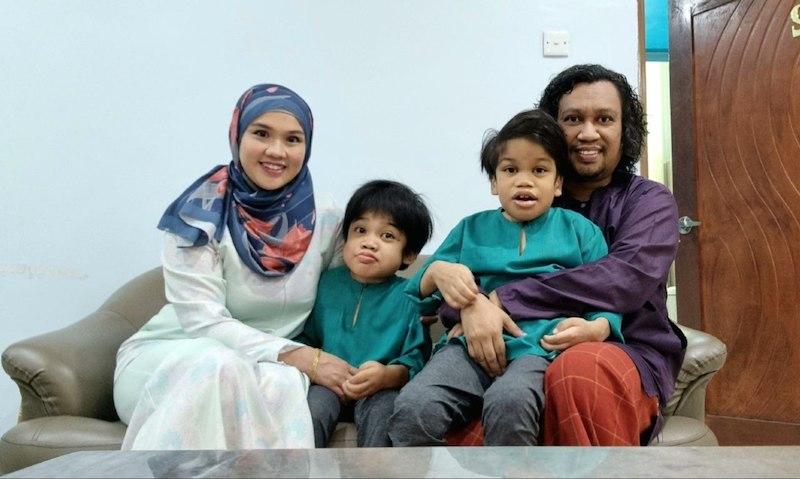
Parenthood: Who is your biggest supporter and why is this person important to you?
Rubee: Most definitely my husband. We know the challenges ahead and vowed to support each other no matter what happens. While I do most of the caregiving, I have an amazing life partner whom I can depend on to be there for the family when we need him the most. For example, recently, Adam started having seizures and had to undergo brain surgery. It was a stressful period for us, but he took it upon himself to oversee the hospitalisation and care for my firstborn while I cared for Arman.
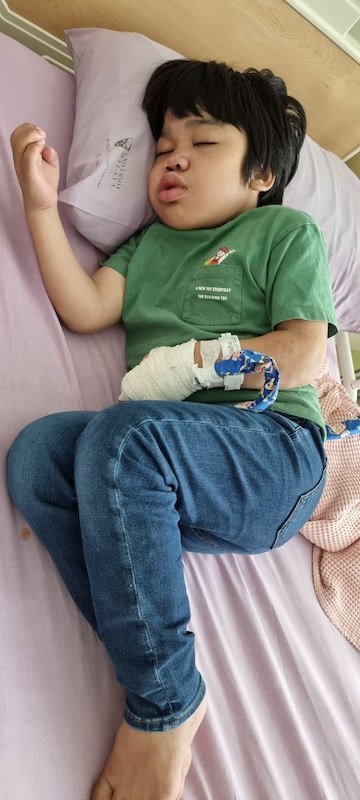
Parenthood: What are some of the struggles that you’ve been through in terms of social or education for your children?
Rubee: There were many struggles when it came to social and education opportunities. I would have to say Malaysia is not equipped for children with special needs, both in terms of facilities available and the mindset.
Adam is 13 going on 14 now, and turning into a young man so I cannot keep sending him to the nursery. Having someone to care for him at home is costly because of his specific needs. Previously my mother could help but she is too frail now to manage, and I cannot entrust Adam’s care to someone else who is not capable.
Parenthood: What was your biggest and hardest challenge to date, and how did you overcome this challenge?
Rubee: The main challenge is and always will be the cost of treatment. Adam and Arman both receive enzyme replacement therapy (ERT) weekly at UMMC. Weekly treatment is required, which comes up to RM60,000 per month for both Adam and Arman. We wrote to so many NGOs and government bodies for help and I felt so desperate, hoping we would not be forced to choose which of our sons would receive treatment.
“Weekly treatment is required, which comes up to RM60,000 per month for both Adam and Arman.”
Thankfully, we now receive support from UMMC, Lembaga Zakat Selangor and patient support groups such as the Malaysia Lysosomal Diseases Association (MLDA), as well as corporate sponsorships. However, we don’t know how long these funds will last. For my children’s sake and other parents going through the same challenges, I wish there were legislations which would protect the rights of patients and support dedicated public funding to those of us caring for patients or living with rare diseases.
INFO
The Malaysia Lysosomal Diseases Association (MLDA) is a non- profit organisation which advocates for patients’ rights to a sustainable health care and support system. It also raises the awareness of the general public about the life threatening Lysosomal Storage Diseases.
Treatment has made a big difference for Adam. He used to wake up in pain and limp while walking because his joints hurt. He would also get tired easily. Now, with treatment he has less pain and more energy – he can even walk 1km to the shops with me. As for Arman, he looks and behaves just like any other boy his age.
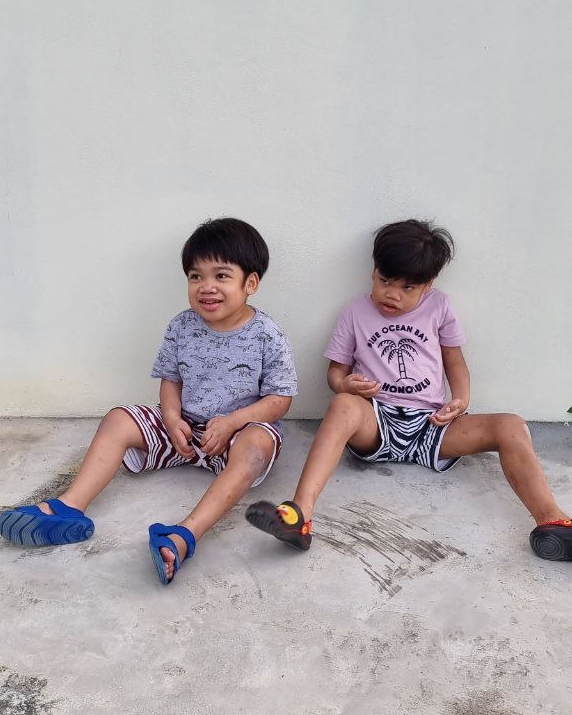 Parenthood: What would you say are some of your biggest achievements in helping your children live better lives?
Rubee: When I look at my children now, compared to when they were first diagnosed, seeing them look healthier, stronger and happier today feels like a huge accomplishment. As a parent, you only want the best for your children, and I have to make the necessary sacrifices and stay strong for their sake so that I can continue to provide for them.
Parenthood: Is there any advice you can share with other parents who are going through a similar journey?
Rubee: I would like all parents to know that they should not give up hope. It may take time to get the answers you need but it is worth it because treatment makes a big difference, and the sooner your child can begin, the better. At the same time, it will be an uphill battle to seek funding for treatment – at this time we have to rely heavily on financial aid but we hope that in the future, more allocation will be provided for patients with rare diseases.
Lastly, remember that you are not alone – try to connect with other parents whose children have rare diseases so you can give and receive emotional and psychological support, so you can stay mentally strong for your children.
We hope that in the future, more allocation will be provided for patients with rare diseases.
Parenthood: Lastly, what are your hopes and dreams, as a mother and as a woman, for your children and most importantly for yourself as well?
Rubee: With their condition, I cannot ask for a long life but I can do whatever I can as a parent for them to be healthy, happy and loved. Whatever time I am given to have with my children, I accept it with all my heart.