



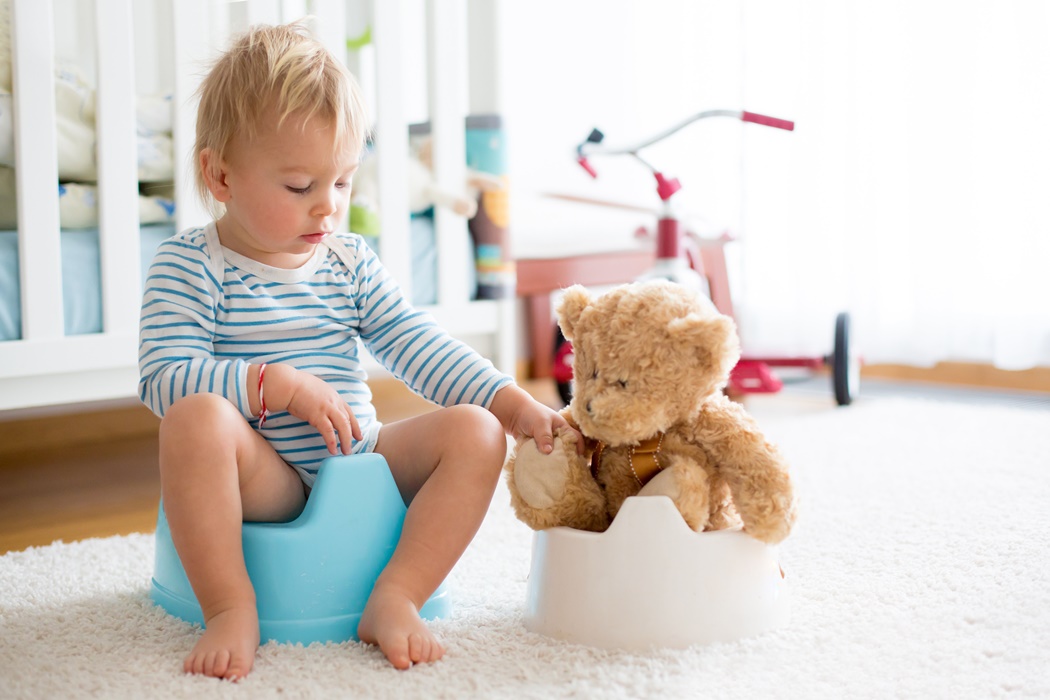


Toilet training is a developmental stage that can cause a lot of anxiety for parents, who tend to feel they are responsible for making it happen.
In the end, though, it is the child’s ability and willingness that makes toilet training possible. It can be challenging – but these tips should help smooth the way.
1. Do not approach toilet training at least until your child has celebrated her second birthday. Girls may be ready and able to train from two years, but boys are often a bit later (closer to the age of three). Remember, being ready means your child is physically able to detect when she needs to go, she is able to hang on long enough to get to a toilet, and she is in a positive frame of mind about attempting this grown-up step.
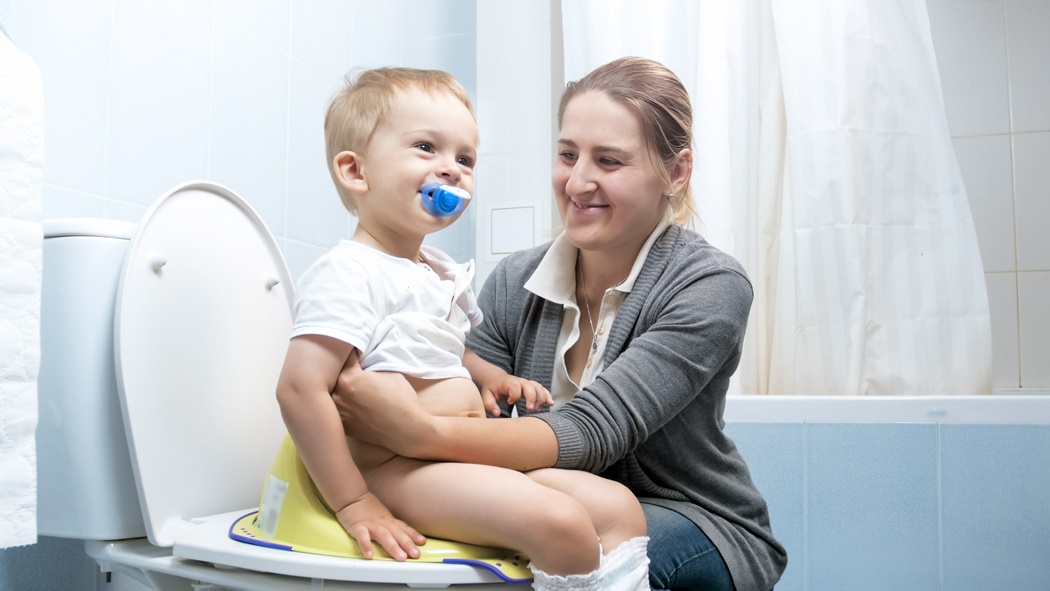
2. Avoid signing your child into a daycare centre that requires children who are three and under to be out of nappies. This puts far too much pressure on parents and children to get training done even if the child is not physically able to control her toileting. Instead, try to find a centre with a more relaxed attitude or wait to enrol your child until she has trained herself.
3. Do not continue to push the training idea at your child if she tries and cannot manage to use a toilet or potty. Drop the subject for a month, then gently try again.
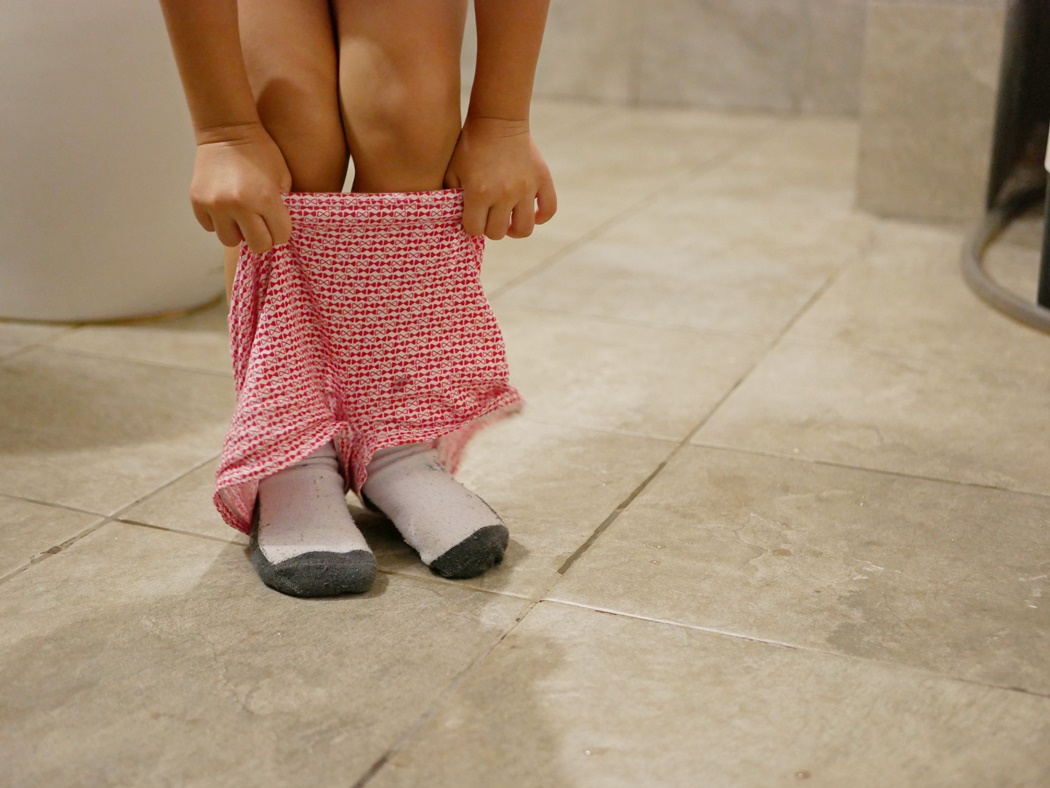
4. Avoid buying grown-up underpants for your child without her consent. When you decide to give training a try, explain to your child that the two of you are going shopping to choose undies like mum and dad wear. Do not interfere with her choices, as it allows her some control.
5. Do not buy into any claims that ‘So-and-so was toilet trained by the time she was one’. Do not use comparisons with other children to persuade your child to toilet train. Just because her best friend has been dry for a month does not mean your child is ready. This will just make her lose confidence.

6. Do not use comparisons with other children to persuade your child to toilet train. Just because her best friend has been dry for a month does not mean your child is ready. This will just make her lose confidence.
7. Avoid flushing the toilet straight after your child has used it, as the noise and flushing action can be scary to a child. Instead, let her leave the bathroom, or if she is using a potty allow her to go back to playing, before you flush her toileting away.
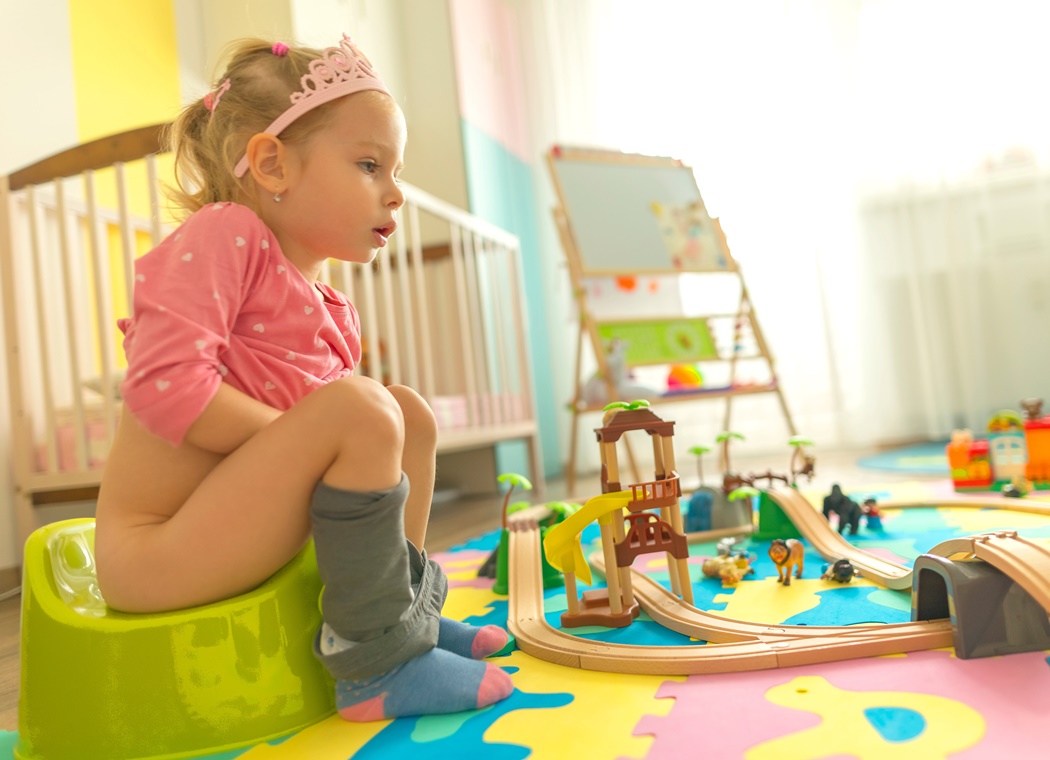
8. Do not turn a positive result into a major party. The best approach to toilet training is a gentle and low-key, but positive, outlook. It is fine to make up a star chart and allow her to stick on a star each time she uses the toilet, but avoid too much praise.
9. Do not start toilet training at a time when your child is already dealing with other major life changes, such as a house, moving into a big bed or the birth of a sibling. Toilet training rarely works if your child is anxious, and if you persist, it can evoke highly negative reactions. Allow the stress to pass and then try.
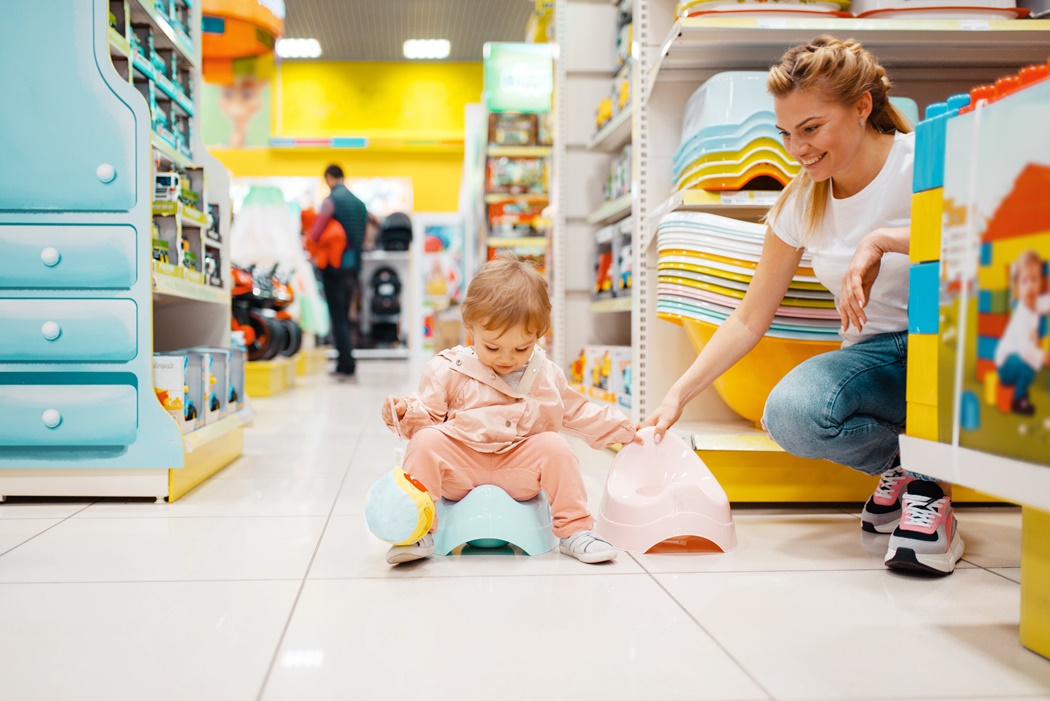
10. Try not to visit new places in the first few weeks of training. Your child would not be able to give you much warning when she needs to go so you need to plan outings carefully so you are always near a toilet.
11. Above all else, never get angry with your child. Yes, you will have to wash lots of underpants – and more – but this is very normal and to be expected. When you feel frustrated, walk away, calm down and approach the subject another day.