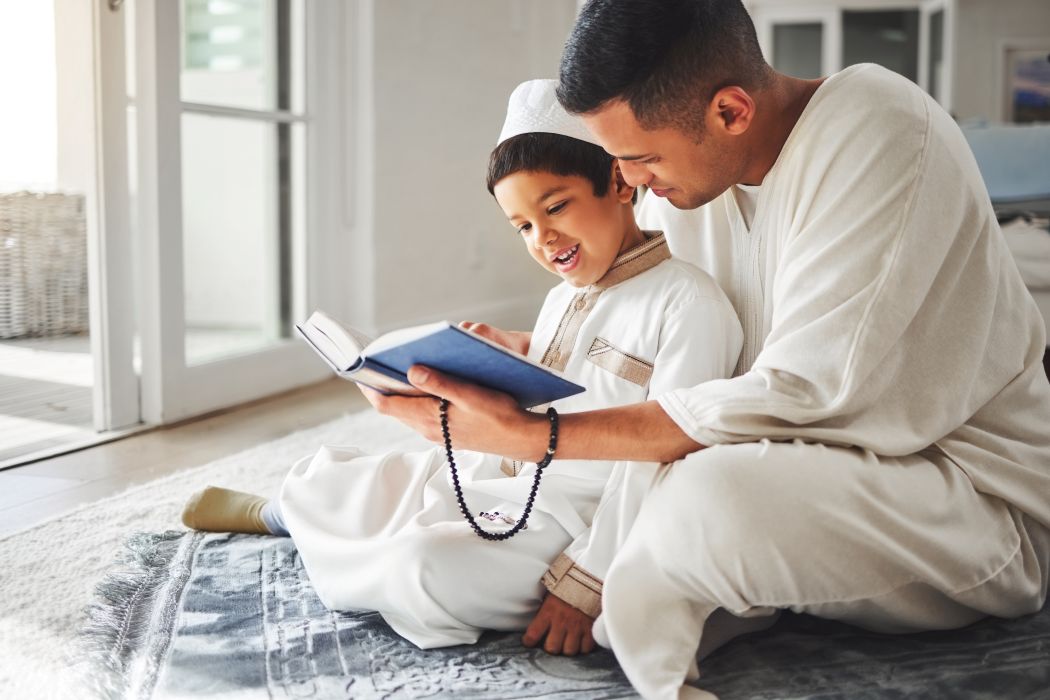





You’re all happy and mad when your toddlers learn to communicate.
Sometimes he’ll tell you where to sit, what he wants to lunch, to switch to his favourite TV channels while you’re watching news or where he wants to go.
However, your toddlers still have a long way to go in expressing more complex thoughts and emotions.
Here, we’ve asked experts to help us decipher the hidden meaning of common toddler body language and tantrums.
1. Strange Behaviour: She won’t look you in the eye.
— “I’m embarrassed.”

When babies avert their gaze, they’re trying to tell you that they’re overwhelmed and need a break from being the superstar of the show. As time passes, and your baby has just passed her second birthday, your toddler has developed the capacity for self-conscious emotions, such as shame. For example, she knows that you’re angry because she put away her vegetables again. According to experts, when a young child refuses to look you in the eye, she realises that her actions may have disappointed you.
Your Reaction:
Acknowledge her wrongdoings in simple, short sentences – “We don’t put aside vegetables”, “We don’t tear pages off a book” – and offer her a way to make it right, like pointing at the greens on her plate or giving a crying pal a hug.
Let her know that everyone makes mistakes, but it’s important to take steps to fix the damage.
2. Strange Behaviour: He wants to take every stuffed animal he has into bed with him.
— “I’m scared.”

When your toddler suddenly demands to take so many comforts to sleep each night, he’s probably reached the age when a child’s imagination takes off. He starts having nightmares and populating the closets with monsters and, thus, he is searching for ways to keep himself secure. And one way of doing that is keeping familiar objects nearby so that he feels safe while sleeping or waking up in the middle of the night.
Your Reaction:
You might have tried opening the closet and show your toddler that there’re no monsters in it. But, it didn’t work out. He’ll just
think that you can’t see monsters. So, just let him surround himself with as many comforting things as he needs. Or, you can let him make the decision: Ask him which four stuffed animals or toys he wants as bed-mates that night.
3. Strange Behaviour: She lifts her shirt over her head when meeting a new person.
— “I’m anxious.”
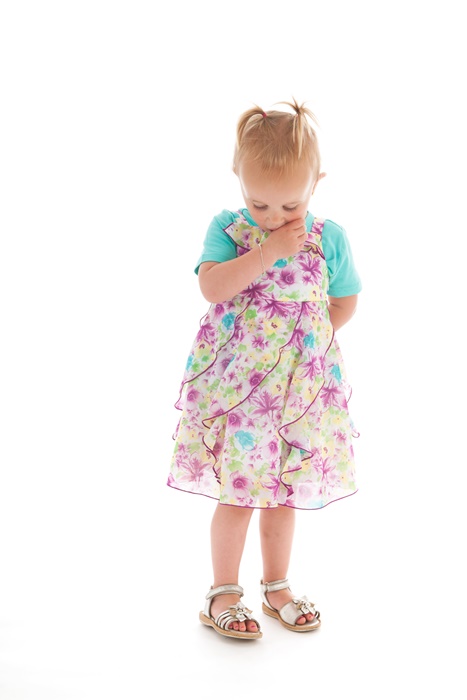
When you are invited to a social event where you don’t know a soul but the one who had invited you, you probably tried talking yourself through the discomfort. It’s the same for your toddler, except she doesn’t know what else to do besides hiding her head in her shirt. Your child is not yet able to work through her nervousness, so she negotiates the situation in a purely physical and sensory way, according to experts. Some kids will tug at their pants or chew on their shirt, while others might suck their thumb or drop to the floor and bury their face.
Your Reaction:
Gently coax your toddler out of her shell. Relax your own shoulders and greet new acquaintances, and give your child a reassuring squeeze. This lets her know that her surroundings are friendly and safe. Then, all she needs is just some time to warm up.
4. Strange Behaviour: He hides behind the furniture when he poops in his diaper.
— “I want privacy.”
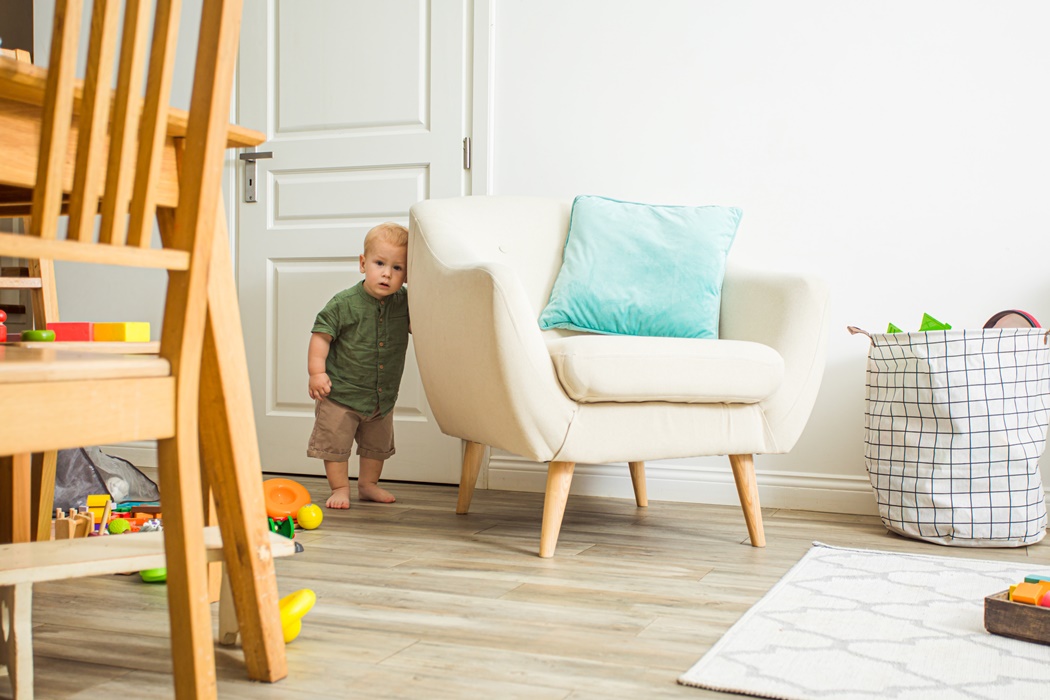
According to experts, this common toddler secret code implies two things: First, your child is clued in to his urge to poop and knows there’s a bowel movement coming, and second, he’s observed that adults do the deed in private. These are two positive signs that he’s getting ready for some potty trainings. If your child doesn’t ask for immediate diaper change after pooping in it, you know that he’s not ready for potty training. Most kids are interested in using the toilet between the ages two and three.
Your Reaction:
Encourage your toddler’s search for privacy, but lead her into the bathroom. It’s already good enough to be able to teach your kids to go to the right room. There’s no need to pressure him to sit on the potty just yet.
When your toddler suddenly demands to take so many comforts to sleep each night, he’s probably reached the age when a child’s imagination takes off. He starts having nightmares and populating the closets with monsters and, thus, he is searching for ways to keep himself secure.
5. Strange Behaviour: She transforms into a total brat – hitting, breaking toys, throwing food.
— “I’m feeling out of sorts.”
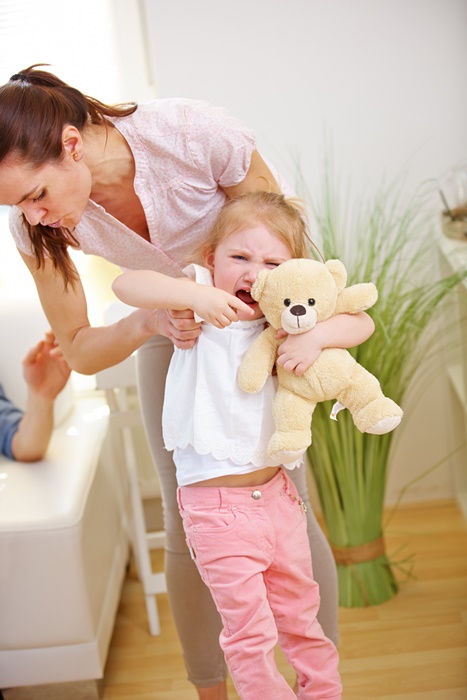
Were you shocked at seeing your kind toddler turns into an evil child? Don’t freak out. It’s not that she’s changed her usual sweet and loving personality all of a sudden. Her bratty behaviour is probably just a reaction to the current situation. Usually, when a two-year-old kid act this way, she wants to tell you, “I’m tired,” “I’m bored,” or “I want attention!”
Your Reaction:
Try to figure out what’s going on right off the bat. If she’s acting out because she’s bored, pull out the box of toys and play together. Or, bring her out for a walk at the nearest park for a change of scenery. It’s also important for you to teach her the appropriate ways of expression. To do that, a time-out is a good step to take. Put your toddler in a two-minute time-out where she sits alone in some place that’s boring. Let her know that you won’t put up with inappropriate behaviour such as throwing a fit. Then, come up with a fun activity for both of you.
6. Strange Behaviour: He yells, “No, MY mummy!” when other kids approach you.
— “Pay more attention to me!”
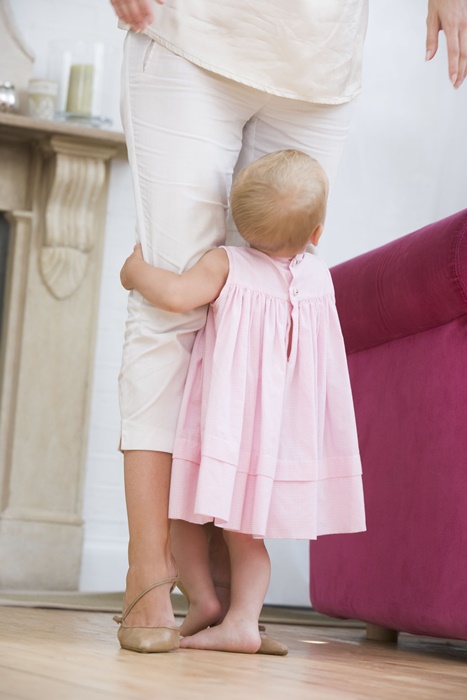
Clingy behaviour could mean that your child feels like he’s not been getting enough attention from you, especially if you’ve been working long hours or have recently welcomed a new baby to the family. In the absence of any changes in the status quo, such possessiveness is probably due to the blossoming sense of “self” of your toddler. According to experts, it’s actually a good thing because your toddler is learning who he is as a person (though the “mine, mine, mine” phrase tends to be a little annoying sometimes). At this stage, his self-image is tied to the things that are more precious to him, and of course, mom tops the chart!
Your Reaction:
Give your child a hug, and tell him that, of course, you’re his mother and you love him. You could also use this as a quick moment to teach your child about sharing. Say, “I’m your mummy, not Alan’s, but I can still be nice to other kids and say hello.”
Simple tips to teach your toddler!
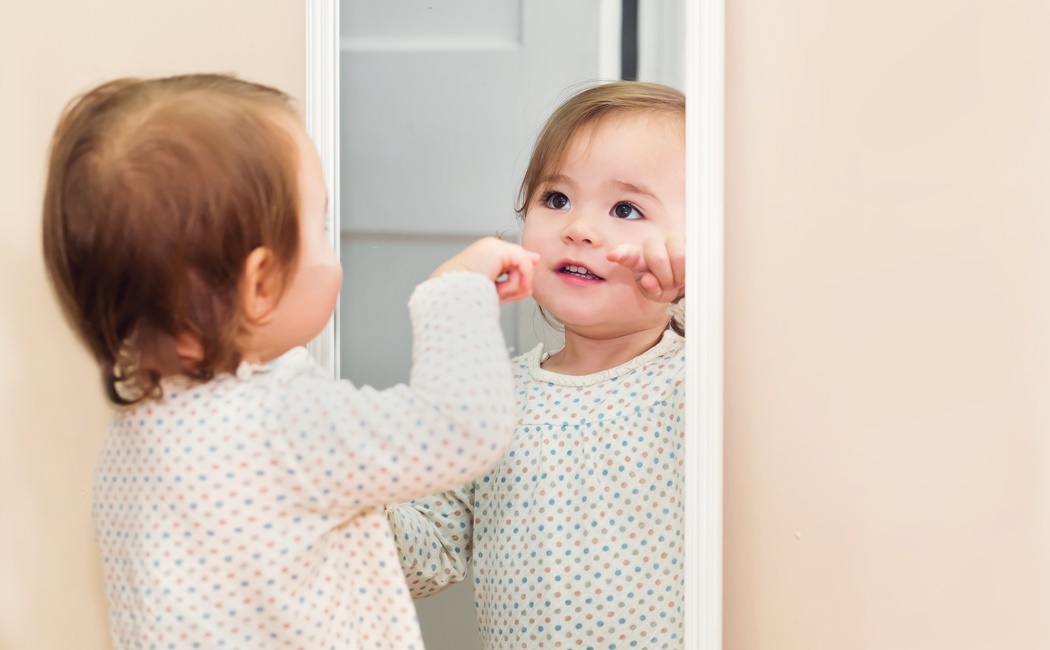
Here are three great ways to teach your toddler to use words in expressing her needs and feelings.
- Label her emotions. Show empathy to your child. Help her label her emotions by making simple observations, such as “Wow, you seem angry” or “Are you sad because it’s time to stop playing?” The more patient you are, the more likely she’ll try to put the difficult stuff into words.
- Play “mirror, mirror.” Stand in front of a mirror with your child and start making the expressions for different emotions. Turn your mouth into a frown and say, “Look, Mummy’s sad”. Or scowl and say, “Mummy’s mad now!” Enjoy the fun at seeing your two-year-old try to match the feeling to the word!
- Script it. Be your child’s teleprompter; feed him the right lines for the scene. For instance, when he grunts for a snack, say, “I want that, please,” or say, “Daddy, come play with me” when he’s pulling his dad into his playroom.