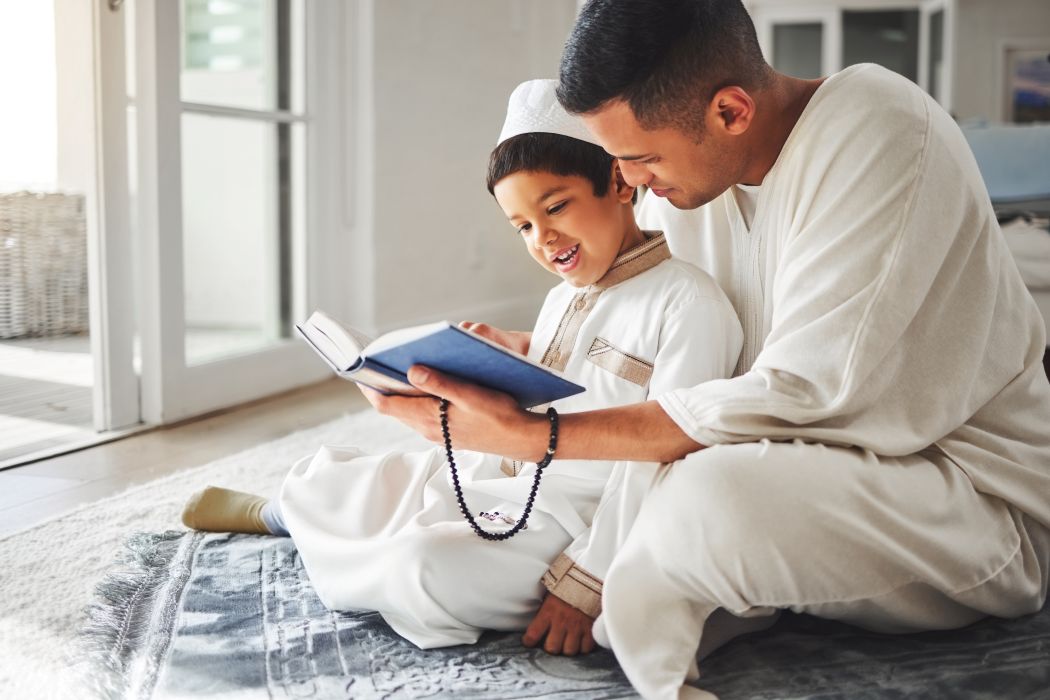





For a child, learning in a formal classroom setting might not be an ideal idea. Kids enjoy exploring the environment with laughter and learning things their own way.
While skills learned in class are crucial too, motivation from the parents after school is important to help keep his learning spirit going while cultivating confidence in him.
Through motivation, he’ll explore his own potential and his renewed joy will transfer to his schoolwork, so you’ll boost his academic achievement too!
Here Are Some Pointers to Know How to Motivate Your Child to Learn

1.Never Compare
Every child is different and special. Avoid comparing and use encouraging language for your kid. Instead, focus on his strengths, encouraging developing talents. Even if he didn’t ace her math test, she may have written a good poem in English class. In addition to a workbook for math practice, give her a writing journal.
2. Be Interested
Support and show enthusiasm for your child’s interests and encourage her to explore subjects that fascinate her. If she’s into animals, challenge her to list out five endangered animals while at the same time learning the facts on those animals.
3. Talk about His Studies
Encourage your child to talk to you about his studies. Ask about what he’s learning in school, but not about his test scores. Have him teach you what he learned in school today — putting the lesson into his own words will help him retain what he learned.
You can also talk about his interests or difficulties in learning which will help you keep track on his studies.
4. TV Off
Switch off the TV during his study time so that he can focus 100% on his learning. Meanwhile, you can also sit with him and read your own books or complete your work.
5. Give Encouragement
Praise your child when he manages to solve a challenging question, or when he’s done well in his school’s exam. It’ll boost his enthusiasm to learn more.

6. Support His Intelligence
Provide your child with play opportunities that support different kinds of learning styles — from listening and visual learning to sorting and sequencing. Different materials and style of learning will develop your child’s creative expression and problem-solving skills as he builds.
7. Celebrate Achievements
No matter how small the achievement is; celebrate it by rewarding your child so that he knows you appreciate his effort. For example, finishing a book allows him for an hour of video games. You’ll offer positive reinforcement that will inspire him to keep learning and challenging himself.
8. Everyday is a Learning Day
Turn everyday events into learning opportunities. Encourage him to explore the world around him, asking questions and making connections.