


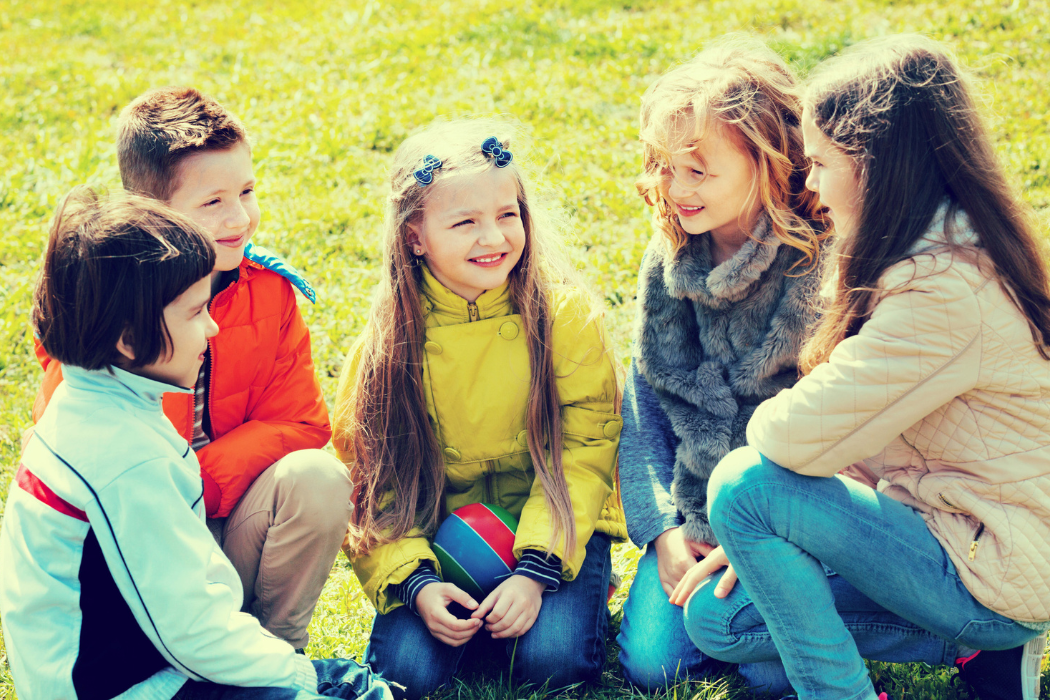


In recent years, autism has taken center stage, with more people recognising the unique strengths and challenges of neurodivergent children. Many inclusive spaces and opportunities are apparent. However, despite this progress, many autistic children still face significant hurdles when it comes to social interactions. So, how can we help them navigate and build meaningful connections?
For the extraordinary children of autism, the social world can feel hauntingly like a big, confusing puzzle. Difficulty understanding social cues, making eye contact, or engaging in conversations can sometimes make making friends a little tricky, often leading to isolation. But here’s the great news: Social skills, just like any other skill, can be learned and improved with time, patience, and the right approach. With a little guidance and encouragement, kids with autism can experience the magic of friendships and enjoy the fun of connecting with others!
Understanding Social Challenges in Autism
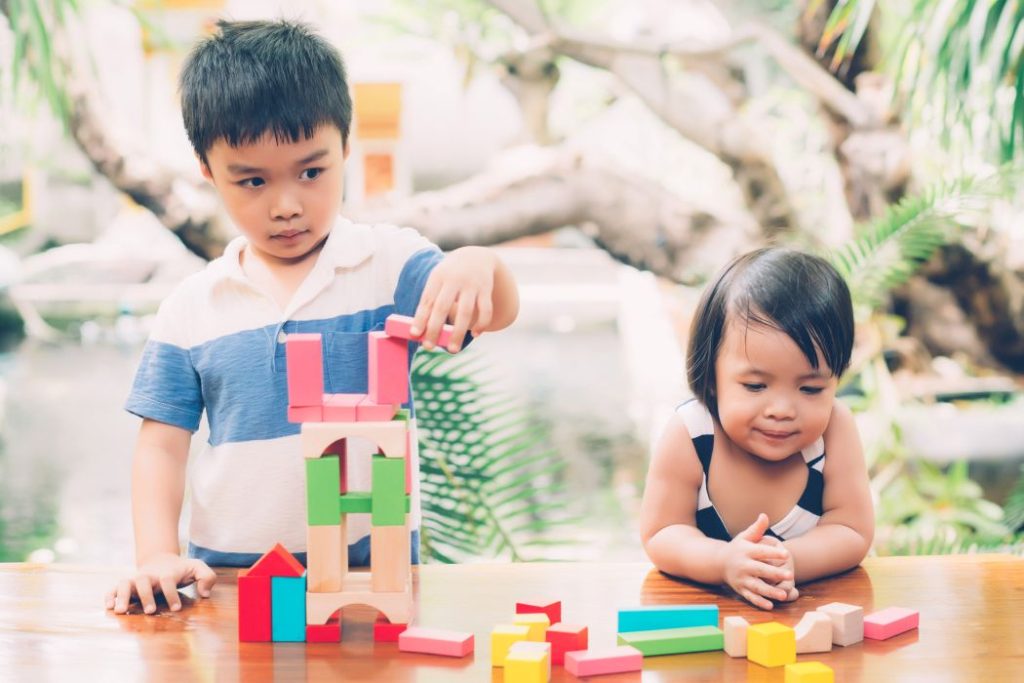
When it comes to autism, it is important to remember that every child is wonderfully unique, and their journey in developing social skills will look different. Some may need extra guidance, while others may find their way through shared interests and structured activities.
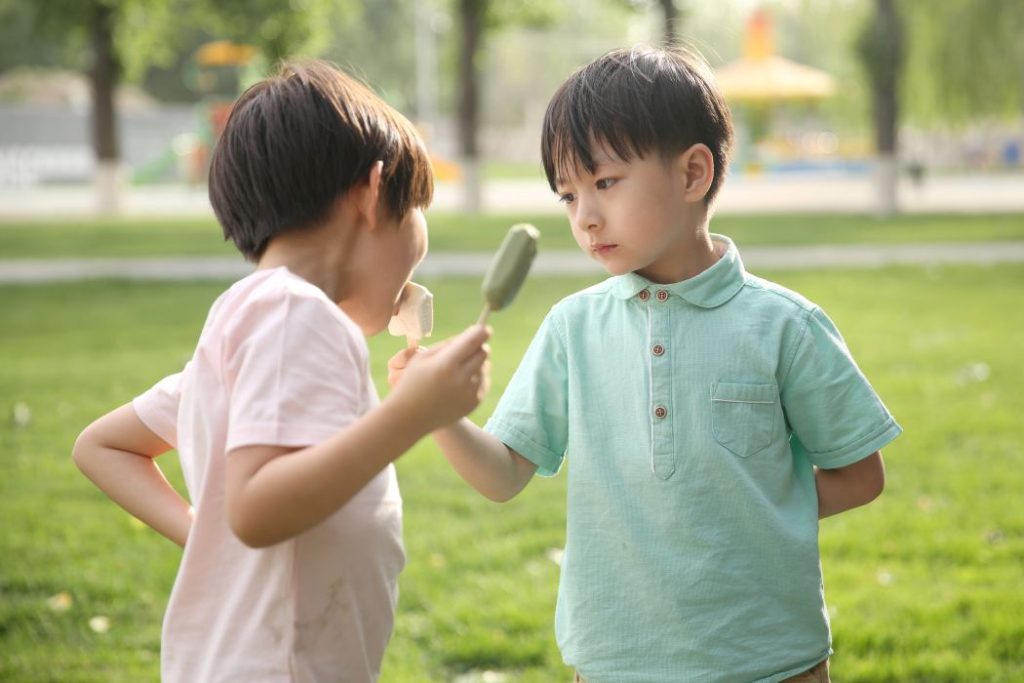
Compared to their other comrades, children with neurodivergent challenges typically struggle a lot in social interactions. Making eye contact, understanding facial expressions, or knowing when to jump into a conversation don’t always come naturally, making social situations painfully awkward.
This is why, as parents, the most crucial thing to do is to help your child build their social skills, which requires more than just observation. Educating yourself on everything about autism, especially in Social Skills Training (SST), can empower you to support your child in understanding expressions, emotions, and appropriate social behaviours, making interactions smoother for them.
How to Help Your Children Build Social Skills
The Role of Early Intervention
Aside from recognising and accepting that your child is autistic, early intervention on how to help them thrive and develop essential social skills is equally important.
With speech therapy, occupational therapy, and social skills training, autistic kids can gain the confidence to navigate social interactions. Structured programs also help create a safe and supportive environment where children can practice engaging with others, learn important cues, and build meaningful connections—all at their own pace.
Social Interactions Practice
While you can’t predict and control what kinds of interactions your child may encounter, you can definitely help them prepare and practice forms of social interactions by role-playing at home. Simulating real-life scenarios in a familiar setting with trusted family members and friends can boost their confidence and make learning social skills more comfortable.
Try to make it more fun and less stressful by turning it into a game, taking turns, and reinforcing positive behaviour along the way! This not only strengthens their social skills but also helps them grasp the importance of rules and taking turns.
Use Visual Aids & Social Stories
Help your child understand more by bringing social skills to life with visual aids and social stories! Create fun, step-by-step guides that break down everyday interactions—like greeting a friend, taking turns, or asking for help. Use pictures, illustrations, or even short comic strips of their favourite characters to make it engaging.

Technology As Social Solutions
In today’s AI-driven world, it would be almost a waste if you do not use what technology has to offer. Digital tools can provide a fun and engaging way for autistic children to practice communication, emotional recognition, and social interactions in a low-pressure environment.
Many apps also allow for repetition and self-paced progress, so watch how your child’s confidence grows after every practice session- with controlled and monitored screen time, of course!

The Importance of a Supportive Environment
A little support goes a long way in helping autistic children shine! Families, schools, and communities can create safe and inclusive spaces where kids feel seen, heard, and valued. With patient and understanding adults cheering them on, they can build confidence and tackle social situations at their own pace.
Plus, when peers learn about autism, it encourages kindness, empathy, and real friendships. Together, we can create a world where every child has the chance to connect, grow, and just be themselves!