






The new Netflix series Adolescence quickly sparked a wave of conversations about teenage mental health and digital safety. The chilling four-part narrative follows a 13-year-old boy who, after months of cyberbullying and immersion in toxic online communities, comes under investigation for allegedly murdering a schoolmate. The narrative delves into themes such as youth violence, bullying and the influence of social media on young people. In light of the questions raised by Adolescence, Kaspersky explores how parents can support and protect children and teens online — not only by controlling access, but by rebuilding trust and digital literacy.

According to Kaspersky’s research, 61 per cent of children between the ages of eight and 12 get their first device. While tech can boost learning and creativity, most kids aren’t guided properly when they first go online. This early exposure is not inherently negative: digital tools can support learning, creativity and social connection. Knowing how to use a device isn’t the same as knowing how to use it SAFELY.
Kids are often exposed to the internet before they’re ready to deal with things like harmful content, online pressure, or peer drama. As a result, their first experiences online may include encounters with inappropriate content, aggressive behaviour and without guidance, their first online experiences can turn risky—fast.
One of the biggest online risks for kids? Harmful or inappropriate content. And it’s easy to miss. Kaspersky reports that only 50% of parents say they regularly discuss online safety with their children, leaving dangerous gaps. A child might start off watching cute videos, but just a few clicks later, they could end up seeing violent or explicit stuff. Without filters or supervision, parents often don’t realise how fast the internet can influence how kids think and behave.
Cyberbullying is one of the most visible digital threats faced by children and teenagers today, and one of the hardest for parents to detect. Unlike traditional bullying, it doesn’t rely on physical presence. It takes place through devices and platforms that teens use every day, potentially making the abuse constant and impossible to escape. From impersonation via fake accounts to the distribution of humiliating screenshots, memes, or videos, cyberbullying can be coordinated, persistent, and often go unnoticed by adults, particularly when it happens in private chats, closed groups, or disappearing content formats like Stories.

When such harassment goes unresolved, it often drives teens further into digital isolation — not just from their peers, but also from their families. Searching for support or a sense of belonging, some turn to anonymous or niche online communities, where harmful ideas are normalised and vulnerability is easily exploited, as presented in the Adolescence series.
Digital isolation and loneliness push the main character to become deeply involved in toxic online subcultures in niche forums. These environments can be difficult for adults to monitor, especially when teens actively hide their digital activity to avoid scrutiny.
To shift from digital isolation to digital dialogue, parents need to pay special attention to building a relationship where teens feel comfortable speaking up when something goes wrong online. From phishing links to suspicious messages, or unwanted contact to harmful content, early detection depends on whether a teen feels safe enough to say, “Something happened”.
However, dialogue alone isn’t always enough, especially when parents don’t know what to look for. That’s where parental control apps can help. It supports parents with real-time insights, alerts about risky behaviour, and smart tools to help families stay informed, without crossing the line into digital surveillance. When combined with trust and open communication, it becomes a powerful way to stay connected to your child’s online world and intervene before risks escalate.
While the series itself delves into the variety of digital risks, its popularity is also exploited by cybercriminals. Kaspersky researchers have identified phishing pages offering free downloads of Adolescence episodes, but instead of streaming content, these sites deliver malware. This is a clear reminder that teenagers’ interest in popular digital content can be weaponised against them, and parents need to make sure their children are aware of this, among other cyber threats.
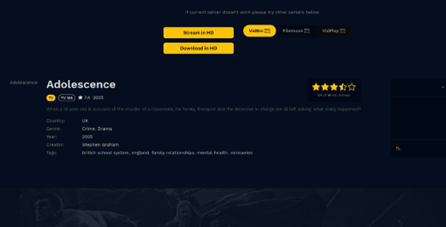
Example of a phishing page offering to download Adolescence episodes
“What Adolescence gets painfully right is that danger doesn’t always look like malware or hacking. Sometimes, it’s a slow erosion of trust, when a child feels safer confiding in anonymous forums rather than their own family. While some online platforms offer support, others exploit that silence, normalising harmful behaviour or encouraging secrecy. That’s why digital safety at home can’t rely on monitoring alone; it has to be built on open dialogue, where teens know they can talk about what they’re experiencing online without fear or judgment,” says Andrey Sidenko, privacy expert at Kaspersky.
To keep your children safe online, Kaspersky recommends users take the following steps:
- By staying informed about the latest threats and actively monitoring their children’s online activities, parents can create a safer online environment for their kids.
- It’s crucial for parents to have open communication with their children about the potential risks they may encounter online and enforce strict guidelines to ensure their safety.
- Set clear ground rules about what they can and can’t do online and explain why you have put them in place. Parents need to review these rules as their children get older.
- To help parents introduce their children to cybersecurity, Kaspersky experts have developed the Kaspersky Cybersecurity Alphabet. In this book, your kids will get to know new technologies, learn the main cyber hygiene rules, find out how to avoid online threats, and recognise fraudsters’ tricks from an early age. You can download the PDF of the book for free.
- With dedicated apps for digital parenting, such as Kaspersky Safe Kids, parents can effectively safeguard their children across both online and offline spaces. These apps help adults ensure a safe and positive digital experience for their children by establishing healthy habits, protecting them from inappropriate content, balancing screen time and monitoring children’s physical location.
- To secure your child from downloading any malicious files during their gaming experience, we advise you to install a trusted security solution on their device.

Kaspersky is offering a special promotion with a free RM30 TNG Reload PIN for every purchase of Kaspersky Premium – valid until 30 April 2025. Don’t miss this limited-time offer to protect your digital life today.