





Allison* noticed a few red blotches on baby Sophie’s* face and body one morning after she’d given her rice cereal with a little cow’s milk, exactly as she’s done the day before with no problems.
Within the hour Sophie had developed a rash that looked like hives over her body and had vomited twice. She became very unsettled, and was crying and irritable. Concerned, Allison took her to the nearest hospital.
Doctors at the hospital suggested Sophie might have an allergy or intolerance to something she had eaten. When Allison took Sophie to see an allergist, she was diagnosed with an allergy to dairy products.
Armed with a list of foods to avoid, which included cows’ and goats’ milk, cheese, yoghurt, cream and butter,Allison also took Sophie to an accredited practising dietitian to see how she could get the right amount of protein, energy and calcium her baby needed.
Introducing Solids

Sophie’s story highlights that parents need to be aware of possible food allergies when introducing solids to their bubs. Food allergy occurs in around one in 20 children and one in 100 adults, with the majority of allergies being mild and with many children growing out of them over time.
Most children who are allergic to cows’ milk, soy, wheat and egg will be able to tolerate varying amounts by the time they go to school. This is in contrast to allergic reactions to tree nuts, peanuts, seeds and seafood, which can be lifelong in around 75 per cent of children diagnosed.
The current recommendation for including solids around six months of age is due to the sensitivity of little gut linings. It is not recommended to introduce solids before four months, as some proteins from food may leak through the lining of the gut and cause irritation and potentially an allergy to the food.
Most of the time, children with food allergies have parents who are allergy-free. However siblings of a child with an allergy are at a slightly higher risk of developing a food allergy themselves.
Different Degrees
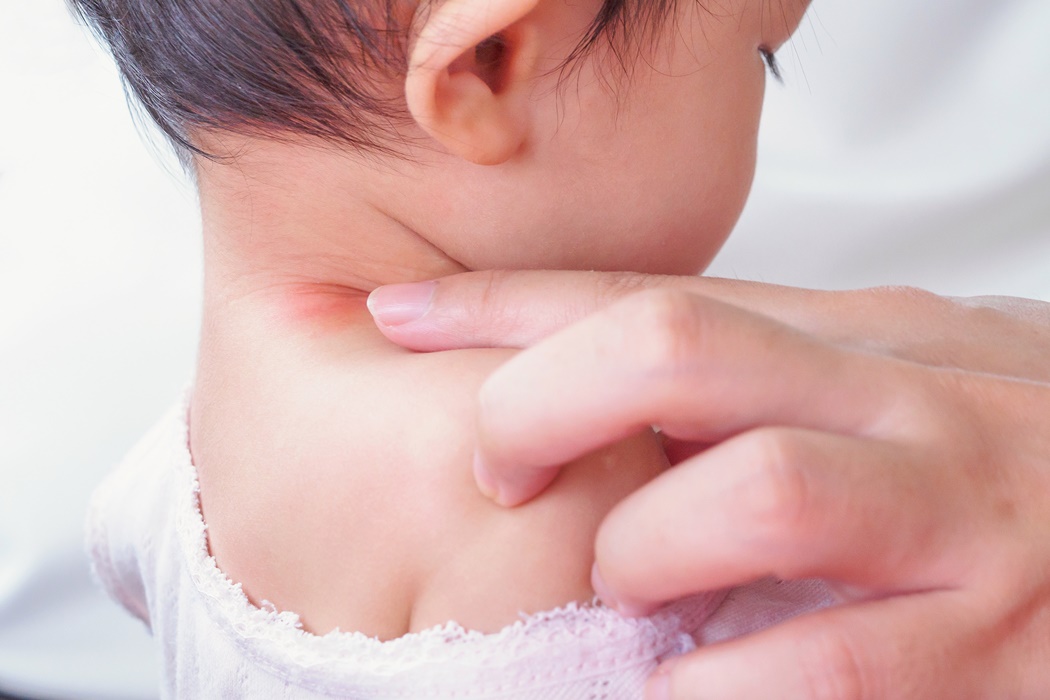
Allergy symptoms are caused by histamine, a chemical released from the cells underneath the lining of the skin, lungs, nose and eyes when irritated. A severe reaction will affect swallowing and breathing. A mild reaction may show up as a skin reaction or symptoms similar to hay fever. Reactions may be mild to severe, depending on a number of factors such as:
• The amount of the food eaten.
• The form of the food (liquid can sometimes be absorbed faster).
• Whether the food was eaten alone or mixed with others.
• Whether the food was cooked or uncooked.
• Whether a child is running around, as exercise can increase the severity of the reaction.
A mild reaction may cause hives (small red welts) or wheals (red rings) on the skin which can be warm and itchy; swelling around the mouth and nose, and vomiting within half an hour after eating the food. Other symptoms include pains in the tummy, diarrhoea, or a blocked or runny nose.
A severe reaction called anaphylaxis can involve breathing difficulties due to swelling in the throat and requires urgent medical attention. Treatment involves using adrenaline, usually in the form of an EpiPen injection, to reduce the reaction.
Deaths from food allergy are rare.
Can Allergies Be Prevented?
Recent research shows there’s no apparent link between changing a mother’s diet or delaying the start of solids and decreasing a child’s risk of developing a food of allergy. But since it also appears food allergies are on the increase, scientists are busy studying new ways to prevent them.
So introduce food carefully to your little ones, and stay tuned.
Allergy or Intolerence?
True food allergy that affects only two to three per cent of children aged six years and below is not the same as the more common reaction of food intolerance. Symptoms common to both include vomiting, stomach cramps and diarrhoea; however an allergy involves an immune system reaction and histamine release, causing various forms of swelling around the body.
Intolerance are less severe and the reaction can take a lot longer to appear. For example, lactose intolerance causes bloating, gut distention and loose bowel motion due to the body being unable to break down the sugar found in milk (called lactose). Wind, cramping and diarrhoea may occur until the body expels the food but there is no dramatic immune system response.
Minimising The Risk

- If possible, breastfeed your baby for at least four to six months
- Do not introduce solid foods (anything other than breast milk or formula) before four months of age
- Don’t smoke during pregnancy
- If you suspect an allergy, seek professional help
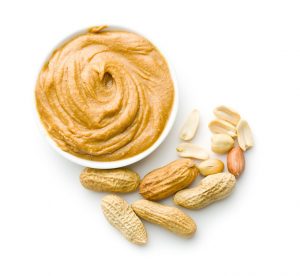
COMMON CULPRITS
Peanuts, tree nuts
Chicken eggs
Cow’s milk
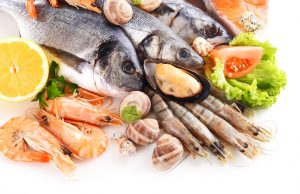
LESS COMMON CULPRITS
Seafood
Sesame Soy
Fish
Wheat
If He’s Having a Reaction
If your child is having difficulty in breathing, send him to the emergency ward immediately. This includes if he complains about finding it hard to breathe, his voice becomes hoarse, he becomes dizzy, or if he becomes limp and floppy.
If your child is not experiencing life-threatening symptoms (especially if he is vomiting), and explain his body is trying to tell him it doesn’t like the food and is getting rid of it. Use a damp cloth on his face to cool him down and make him feel better. Offer sips of cool water only and plenty of reassuring hugs. Once an allergy has been diagnosed it’s important to eliminate all traces of the food.