





TikTok Malaysia, the leading destination for short-form mobile video, hosted a thought-provoking panel discussion with the aim of empowering parents to take an active role in shaping their teens’ digital experiences. With Communications and Media Content Forum Malaysia (CMCF), IBU Family Resource Group, and parent and youth TikTok Creators, Wan Sufina (@wfsufina) and Danish (@ach4i) among the panel, the discussion provided a platform for helpful and insightful conversations about the crucial role that parents play and strategies they can use to ensure the online safety of their children.
The panel discussion began by shedding light on the effects of the digital age on family dynamics, parenting practices, and the relationships between parents and children. Subsequently, this followed into a discussion about the current measures implemented to foster a secure online environment for children, before exploring the tips and strategies for parents to use in guiding their child’s digital experience.

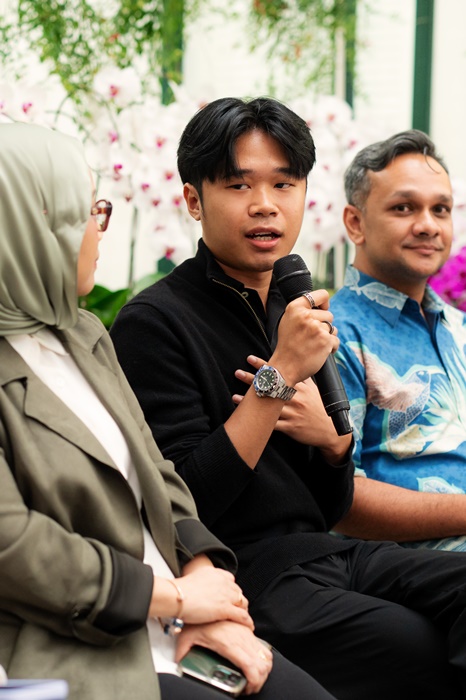
Each panelist drew from their expertise and experiences, providing nuanced and well-rounded perspectives on parenting in the digital age. Isabelle Lai, Director of Operations at IBU Family Resource Group discussed the challenges and the role that parents face in raising a family in the digital age, while TikTok Creators Wan Sufina (@wfsufina) and Danish (@ach4i) both shared their views from the perspective of content creators.
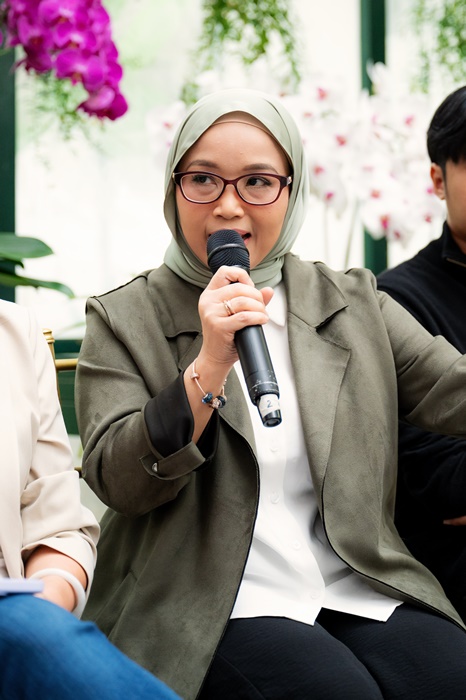
The former, a mother of three children, expanded on how she manages her children’s screen time, while the latter, a 22-year old gaming creator, reflected on the youth’s relationship with the internet and media, and how digital literacy has led him to use his platform to raise awareness.
On the Minister of Communications, Fahmi Fadzil’s recent calls for parents to ensure that children under the age of 13 do not own social media accounts, Mediha Mahmood, CEO of Content Forum, discussed why limiting under-13’s access to social media is a positive and necessary move, and expanded on how important it is for children to grow up with digital literacy in the internet age.
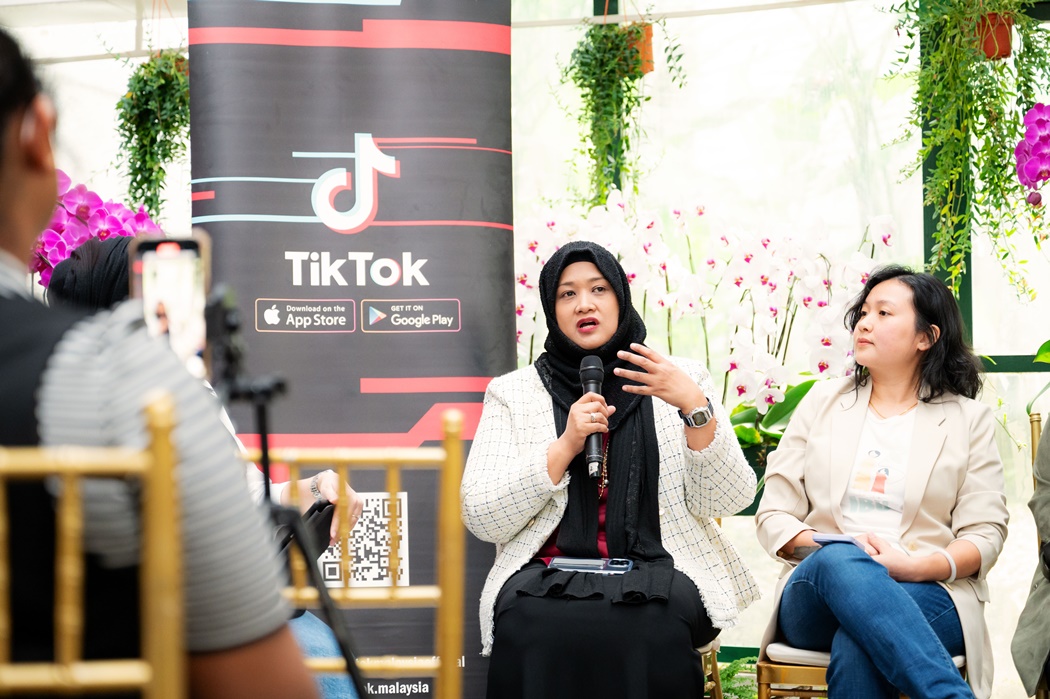
“Young children are very impressionable, they’re still forming their identities, communication skills, habits and perceptions of the world. Exposing children to an unfiltered internet this early could see them appropriate negative habits and influences. Having said that, digital adoption will continue to increase, and it’s more important than ever that parents are able to equip their child with digital literacy skills that enable them to not only navigate, but also to thrive in the digital age,” said Mediha Mahmood, CEO of Content Forum.
Empowering Parents, Promoting Digital Literacy
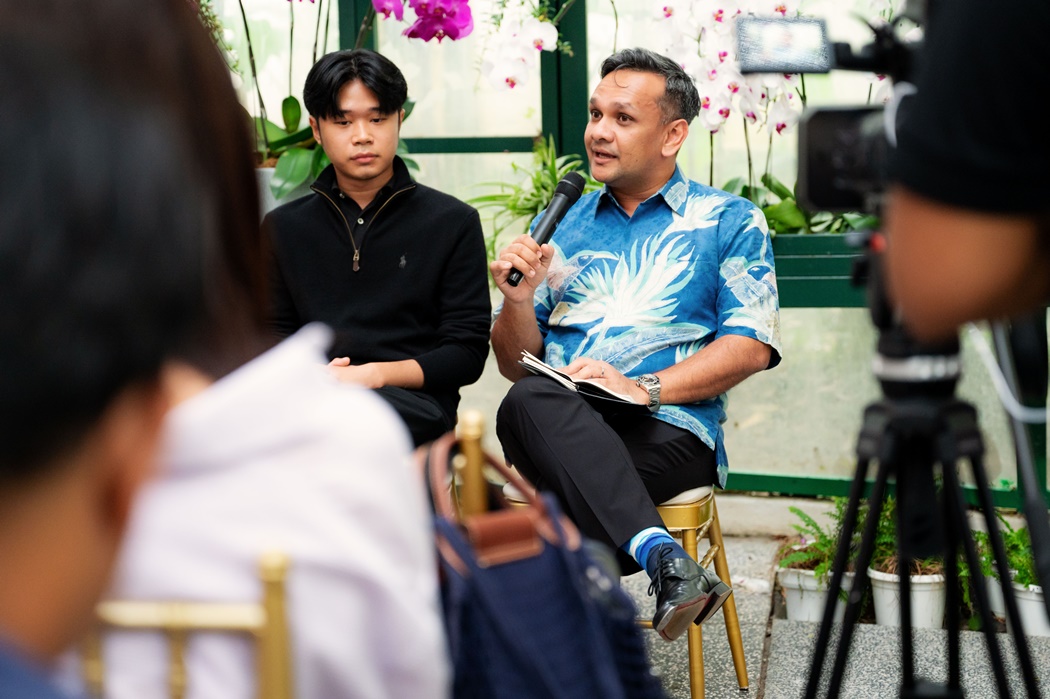
When asked about TikTok’s efforts in empowering parents and improving teen safety on the internet, Anuar Fadzil, TikTok Head of Public Policy for Malaysia, underlined that TikTok is committed to enforcing the minimum age requirement of 13 years old and to building age-appropriate experiences and controls that enable teens to have a safe, inclusive space to explore their creativity and have fun.
“We’re in awe of how this generation is unleashing their creativity on our platform and we’re determined to stay a trusted place where they can explore the world and have fun. Teens may just be starting to build their online presence, so it’s important that online services are built with their needs in mind,” said Anuar.
Anuar further adds that teenage users aged between 13 and 18 have various safeguards such as restrictions on feed, messaging, commenting, and privacy, automatically implemented into their accounts. These implementations are complemented by the Family Pairing function – a feature that allows parents to link their TikTok account to their teens’, and set a number of controls such as daily limits to screen time, and content and engagement preferences.
Aside from these functions and features, TikTok highlights the importance of digital literacy education, making invaluable information, resources and guides accessible to its users. The TikTok Safety Center, for instance, houses a wealth of information, guides and support, such as the Youth Portal and Guardian’s Guide. The former offers in-app tools, safety guides and educational content for teens to enjoy the best possible experience on TikTok, while the latter is designed to provide parents and guardians with an overview of TikTok, its functions, features, guides for parents to use to shape their teens’ TikTok experience.
“We’re passionate about the opportunity to push forward new industry standards to address long-running industry challenges around youth safety. But while these measures are a few of many examples designed to uphold our dedication to fostering a safe and supportive community for all TikTok users, we must recognize that keeping the internet safe is a collective responsibility,” said Anuar.
“Whether it is in taking action, education, or awareness, each of us plays an important role in ensuring that teens are equipped with the necessary skills to navigate a constantly evolving internet landscape, safely and responsibly. It’s crucial that we continue to have important conversations about internet safety such as this panel today, so that we may continue to inspire each other to work towards a safer internet for Malaysians.”
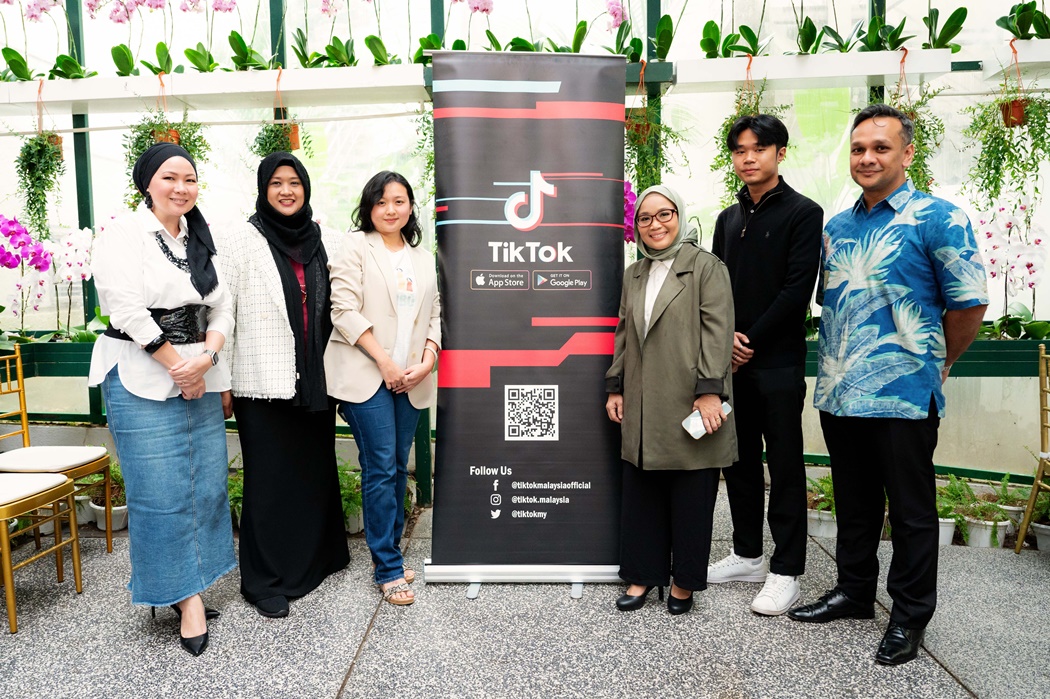
TikTok reaffirms its dedication to enhancing digital literacy and internet safety by continuing to invest in safety technology and local talent. Moreover, TikTok continues to engage with key stakeholders, such as creators, communities, regulators, NGOs and support groups to better inform and evolve TikTok’s campaigns, policies, moderation practices, underscoring its commitment to advancing internet safety in Malaysia.