




“Our future depends on how well many different kinds of people can live and work together.”- Tunku Abdul Rahman
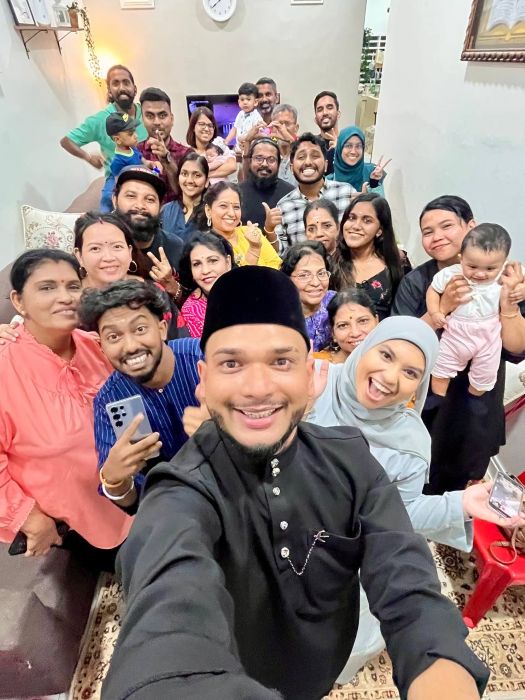
As the fortunate post-Merdeka generation today, we can all proudly attest to fulfilling the late Tunku Abdul Rahman’s vision. It is safe to say that we went beyond just living and working together to full assimilation seamlessly under one big roof of diversity.
And what better testament to this unity than interracial families and their unique Rojak children?
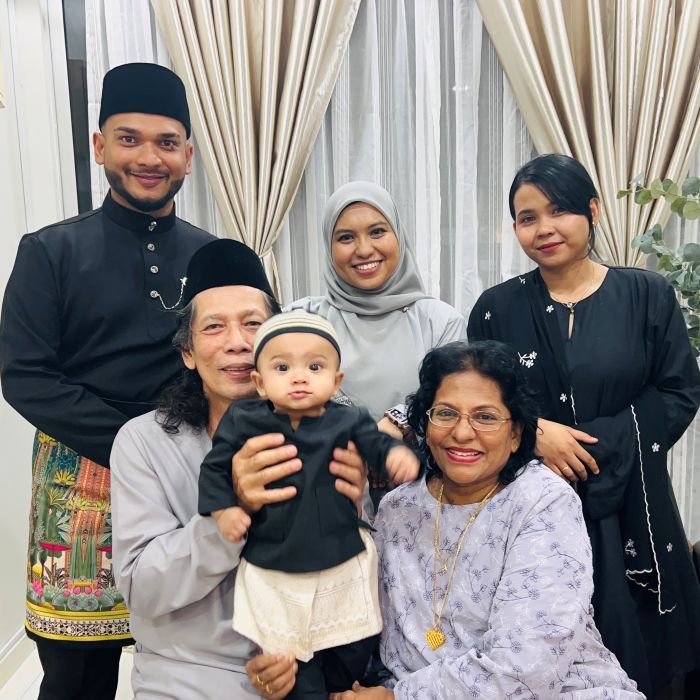
Just like the iconic Malaysian dish, Rojak kids stand out for their mix of amazing elements. While this is a great perk, raising them comes with its own challenges, especially when it comes to celebrating their blended identities.
Growing up as a happy Rojak child in the 90s with my Malay dad and Indian mom, I’ve always taken pride in—and felt a little special about—the fact that I get to celebrate two major festivals each year. That means double the new “baju raya”, twice the celebrations, an abundance of delicious food, fireworks and, most importantly, two times the DUIT RAYA!
So, how can we navigate cultural differences while instilling strong values during festive celebrations, like my parents—a middle-class interracial couple from Seremban—did? Here are some foolproof tips for successfully blending different traditions and values during special occasions.
Parenting 101: Leading by Example
 Kids are like sponges, soaking up everything we do and say. So, why not make the most of it? By embracing and celebrating different cultures yourself, you’ve got the perfect chance to teach them to respect and appreciate diversity.
Hari Raya, for me, has always meant a big celebration at our place, with my mum’s entire extended family coming to visit. Deepavali, on the other hand, is all about hopping from one relative’s house to another—a tradition my parents held dear and passed down to my brother and I. During these gatherings, my parents made sure we all got involved in cultural activities, regardless if it was cooking traditional fusion dishes, baking the Raya cookies and treats, or crafting festive decorations. It wasn’t just about having fun—it was a way to show us how embracing our rich cultures is not only valuable but also incredibly rewarding.
Festivals as a Gateway to Language Learning
What’s more, festivals aren’t just about celebrating traditions—they are also a powerful way to help children strengthen their language skills. Why deprive your children of embracing and practising your mother tongues? Besides, language has been proven to be one of the most powerful tools for helping children develop essential skills that will benefit them well into adulthood.
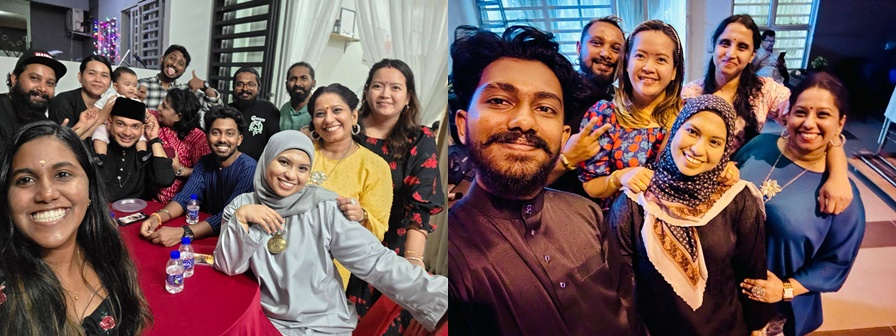
I grew up in a home where English and Malay were spoken daily, but my mother made sure Tamil and Malayalam were part of our lives too (especially when she is angry!). Our language skills were shaped by the close relationships we have with our extended families, especially during festive seasons. The hours spent playing and hanging out with cousins, uncles and aunties during holidays like Hari Raya and Deepavali helped me pick up Tamil and improve my Malay long before I stepped into school.
If you’re lucky enough, like me, to have extended family nearby, don’t wait for just the festive seasons to gather. Make it a regular habit to get together—these moments not only give your kids a chance to pick up new languages but also connect them to the rich cultural traditions that come alive during the celebrations. It all begins with you!
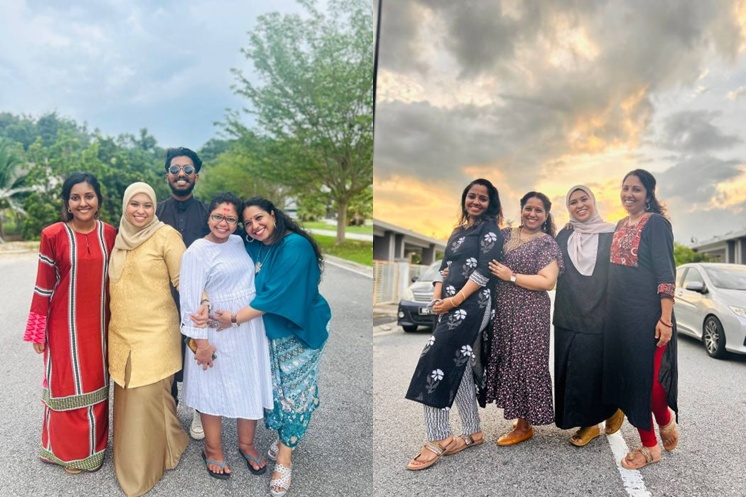
Harmony at Its Best: Faith Meets Tradition
While this is a sensitive topic, it plays a crucial role in raising children from interracial backgrounds. With limited understanding and awareness, some parents may restrict certain cultural and festival activities or practices within the family, fearing they might conflict with their religious beliefs.
Although this may arise as a genuine concern, it can eventually lead to children growing up with a narrow perspective —a trait no Rojak child, or any child for that matter, should ever carry.
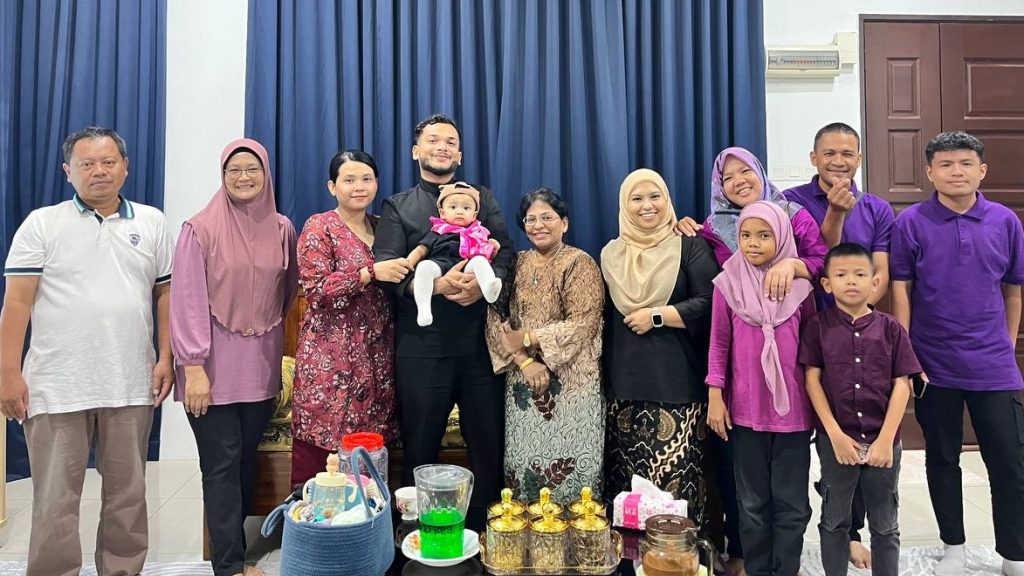
From a very young age, my parents taught us that as Muslims, we are not only obligated to follow our religious principles but also to show deep respect for the beliefs and practices of others. When it comes to family celebrations, we have a clear understanding of which practices we can participate in and which ones are haram. Making it clear that it is possible to enjoy the festivities while keeping our religious practices intact. Take Deepavali, for instance—we’re all about the fun and celebrations, but when it comes to Thaipusam, we know to step back and let others take the spotlight.
Blessed with wonderful relatives who are always supportive, festival times in my family are something I still eagerly look forward to, even today in my thirties.
Raising Rojak kids isn’t just about juggling different cultures—it’s about celebrating them, especially during festive seasons! By leading with love and respect, you show your kids how to honour their unique blend of traditions while teaching them to understand and embrace diversity with open arms. This Hari Raya Aidilfitri, dive into the spirit of togetherness and mix up the fun, celebrating all the awesome cultures that make us uniquely you!