





Whether you’re expecting a baby boy or have just welcomed your new little guy into the world, you have an important decision to make before you take your son home: whether to circumcise him.
For some families, the choice is simple because it’s based on cultural or religious beliefs. But for others, the right option isn’t as clear. Before you make a circumcision decision, it’s important to talk to your doctor and consider some of the issues.
About Circumcision
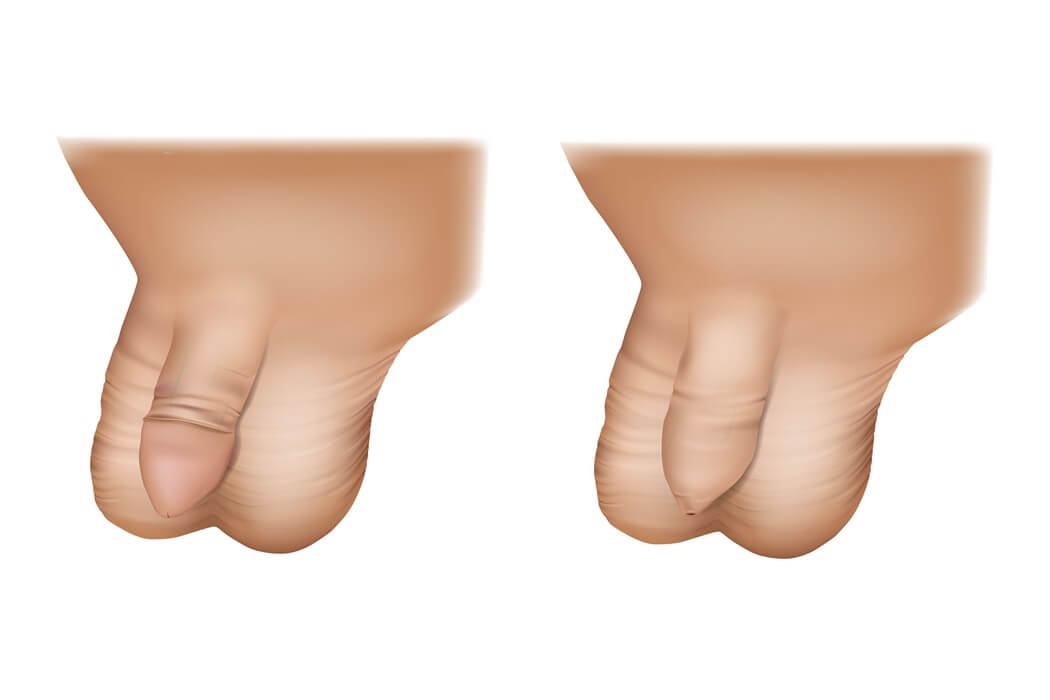
Boys are born with a hood of skin, called the foreskin, covering the head (also called the glans) of the penis. In circumcision, the foreskin is surgically removed, exposing the end of the penis.
Parents who choose circumcision often do so based on religious beliefs, concerns about hygiene, or cultural or social reasons, such as the wish to have their son look like other men in the family.
Routine circumcision is usually performed during the first 10 days (often within the first 48 hours), either in the hospital or, for some religious ritual circumcisions, at home. If you decide to have your son circumcised at the hospital, your paediatrician, family doctor, or obstetrician will perform the procedure before you bring your baby home. The doctor should prepare you by telling you about the procedure he or she will use and the possible risks. Circumcision after the newborn period can be a more complicated procedure and usually requires general anaesthesia.
In some instances, doctors may decide to delay the procedure or forgo it altogether. Premature babies or those who have special medical concerns may not be circumcised until they’re ready to leave the hospital. And babies born with physical abnormalities of the penis that needs to be corrected surgically often aren’t circumcised at all because the foreskin may eventually be used as part of a reconstructive operation.
The Pros and Cons

On the plus side, circumcised infants are less likely to develop urinary tract infections (UTIs), especially in the first year of life. UTIs are about 10 times more common in uncircumcised compared with circumcised infants. However, even with this increased risk of UTI, only one percent or less of uncircumcised males will be affected.
Circumcised men may also be at lower risk for penile cancer, although the disease is rare in both circumcised and uncircumcised males. Some studies indicate that the procedure might offer an additional line of defence against sexually transmitted diseases (STDs), including HIV.
Penile problems, such as irritation, inflammation, and infection, are more common in uncircumcised males. It’s easier to keep a circumcised penis clean, although uncircumcised boys can learn how to clean beneath the foreskin once the foreskin becomes retractable (usually some time before age five).
Some people claim that circumcision either lessens or heightens the sensitivity of the tip of the penis, decreasing or increasing sexual pleasure later in life. But neither of these subjective findings has been proved.
Although circumcision appears to have some medical benefits, it also carries potential risks — as does any surgical procedure. These risks are small, but you should be aware of both the possible advantages and the problems before you make your decision. Complications of newborn circumcision are uncommon, occurring in between 0.2 percent to three percent of cases. Of these, the most frequent are minor bleeding and local infection, both of which can be easily treated by your doctor.
Perhaps one of the hardest parts of the decision to circumcise is accepting that the procedure can be painful. In the past, it wasn’t commonplace to provide pain relief for babies being circumcised, but because studies have indicated that it benefits the infant to receive anaesthesia, most doctors will now provide it.
Also, the American Academy of Pediatrics (AAP) recommends the use of pain relief measures for circumcision. Even up until recently, though, anesthesia hasn’t been universally used, so it’s important to ask your doctor ahead of time what, if any, pain relief will be utilised with your son.
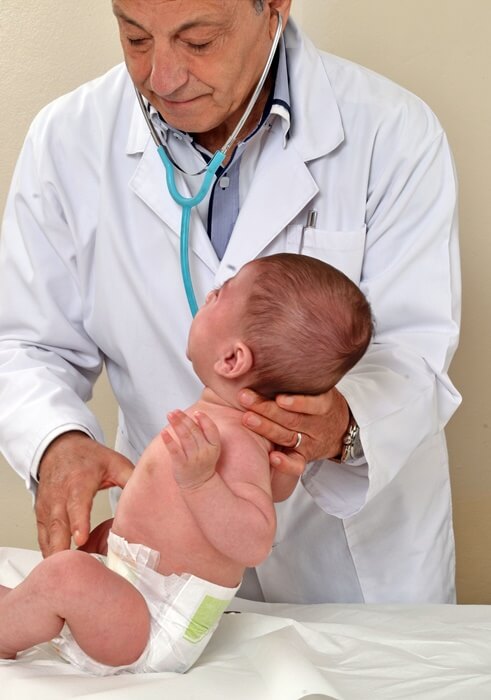
Two primary forms of local anaesthetic are used to make the operation less painful for a baby:
- A topical cream (a cream put on the penis) that requires at least 20 to 40 minutes to take its full effect.
- An injectable anaesthetic that requires less time to take effect and may provide a slightly longer period of anaesthesia. In addition to anaesthesia, giving a pacifier dipped in sugar water can help reduce your baby’s level of stress.
Caring for a Circumcised Penis

Following circumcision, it is important to keep the area as clean as possible. Gently clean with soap and warm water — do not use diaper wipes. Your doctors may recommend putting a dab of petroleum jelly on the baby’s penis or on the front of the diaper for three to five days to alleviate any potential discomfort caused by friction against the diaper. If your son has a bandage on his incision, you might need to apply a new one whenever you change his diaper for a day or two after the procedure (put petroleum jelly on the bandage so it won’t stick to his skin).
It usually takes between seven to 10 days for a penis to heal. Initially, the tip may appear slightly swollen and red and you may notice a small amount of blood on the diaper. You may also notice a slight yellow discharge or crust after a couple of days. Although this is normal, certain other problems are not.
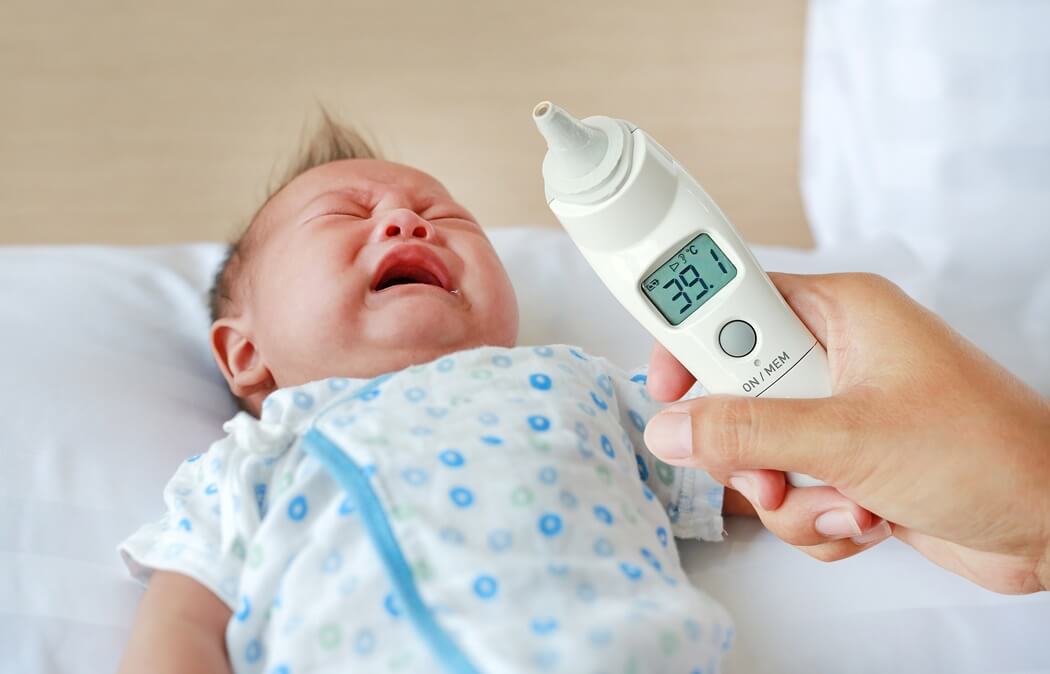
Call your doctor right away if you notice any of the following:
- persistent bleeding or blood on diaper (more than quarter-sized)
- increasing redness
- fever
- other signs of infection, such as worsening swelling or discharge, or the presence of pus-filled blisters
- not urinating normally within 12 hours after the circumcision
However, with quick intervention, almost all circumcision-related problems are easily treated.
Caring for an Uncircumcised Penis

As with a penis that’s circumcised, an uncircumcised one should be kept clean. Also, no cotton swabs, astringents, or any special bath products are needed — simple soap and warm water every time you bathe your baby will suffice.
Initially, do not pull back the foreskin to clean beneath it. Over time, the foreskin will retract on its own so that it can be pulled away easily from the glans toward the abdomen. This happens at different times for different boys, but most can retract their foreskins by the time they’re five years old.
As your son grows up, teach him to wash beneath the foreskin by gently pulling it back from the glans, rinsing the glans and the inside of the foreskin with soap and warm water, then pulling the foreskin back over the head of the penis.
The Circumcision Decision

In addition to the medical issues discussed, religious and cultural beliefs often figure into the equation. Of course, if these are important to you, they deserve to be seriously considered.
Despite the possible benefits and risks, circumcision is neither essential nor detrimental to a boy’s health. The AAP does not endorse the procedure as a way to prevent any of the medical conditions mentioned previously. The AAP also does not find sufficient evidence to medically recommend circumcision or argue against it.
Talk to your doctor about the pros and cons of circumcision to help you make the choice that’s right for your son.