




As your child grows older reaching the adolescence age somewhere between 9 to 14 years old, you, as parents, would want to prepare yourself with some knowledge on puberty. PUBERTY? What to expect when your child goes through the puberty phase for the first time in their lives? What are the signs of puberty in boys and girls? How can I talk to my child about puberty that won’t make me or my child feel awkward?
There are so many questions at the back of our minds. Yes, being Asian parents, it’s always hard to talk on topics like this. Honestly, I had the same questions too. Matter of fact, days before my son turned 12 years old, he came to me and complained about his nipple pains. I didn’t give much thought about it then but later realised the nipple soreness probably had to do with the stages of puberty. Hence, I started to do my research from various reliable sources and here I am sharing it with you for the benefit of all parents.
Let’s get into it briefly for a better understanding – check these out!
The Signs & Stages of Puberty in Your Child
Puberty is the time when your child will go through a lot of changes. According to Professor James M. Tanner, a child development expert – he was the first to identify the visible 5 stages of puberty. These stages are known as the Tanner stages or, sexual maturity ratings. They serve as a general guide to physical development, although each person has a different puberty timetable.
For Boys – Stages & Signs
- Early signals typically start after a boy’s 9th or 10th birthday. There aren’t any noticeable physical changes for boys at this stage.
- Puberty starts around age 11 with some mild changes around the testicles where pubic hair starts to form.
- Physical changes usually start at the age of 13 with penis gets bigger, some breast tissue may start to form under the nipples, might get wet dreams (ejaculation at night), the voice begins to change or crack, muscles get larger and height growth increases to 2 to 3.2 inches per year.
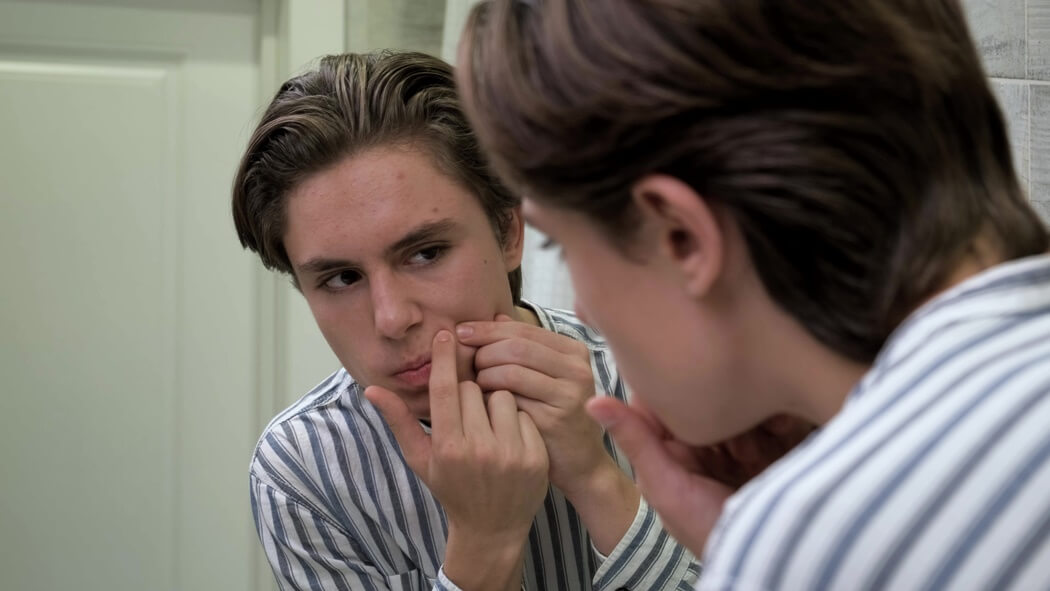
- Around age 14 – acne may appear and armpit hair forms.
- And finally, around age 15, facial hair comes in.
For Girls – Stages & Signs
- Early signals start after a girl’s 8th birthday and there won’t be any noticeable physical changes for girls at this stage.
- Puberty usually starts between ages 9 and 11. The first signs of breasts, called “buds,” start to form.
- Around age 12 – acne appears, then armpit hair forms and height will increase at its fastest rate.
- Around the age of 13, first period arrives.
- And finally around age 15 reproductive organs and genitals are fully developed.
(However, signs of puberty often don’t happen at the same time for everyone).
7 Ways to Help Your Child Deal with the Changes
Well, as your child approaches puberty and hormonal changes in their bodies, you can help them go through this phase of their lives with these positive acts:
- Watch for signs of puberty in your child and ask your child to share them with you.
- To explain positively about all the changes in their bodies.
- Teach them how to apply acne cream or to apply deodorant.
- Bring your daughter along to buy her first bra together or feminine care products.
- You may share your own puberty experiences with your child.
- Good nutrition is very important during puberty so keep your kitchen well-stocked with healthy meals and snacks such as fruits, vegetables, nuts, and seeds.
- You might also notice a wide range of emotional changes mostly with self-confidence that could lead to depression. If you’re unable to help them go through the emotions, it’s best to get help from an expert.
There you go parents, a simple guide to prepare ourselves for the most important first stage in our children’s lives. Our babies are no longer babies – let’s help them grow healthily and confidently!
References:
https://www.healthline.com/health/parenting/stages-of-puberty
kidshealth.org/parent/growth/growing/understanding_puberty.html#
https://medlineplus.gov/ency/patientinstructions/000650.htm
https://medlineplus.gov/ency/patientinstructions/000651.htm