




That first real smile hits differently.
You might be running on three hours of broken sleep, questioning every decision you’ve made since labour, when suddenly your baby looks at you and smiles. Not gas. Not a random twitch. A real, intentional smile. And just like that, everything feels a little lighter.
For many mums today, especially first-timers, baby milestones can feel like quiet tests you’re constantly grading yourself against. Smiling is one of the first big ones. So when does it actually happen, and what does it really mean?
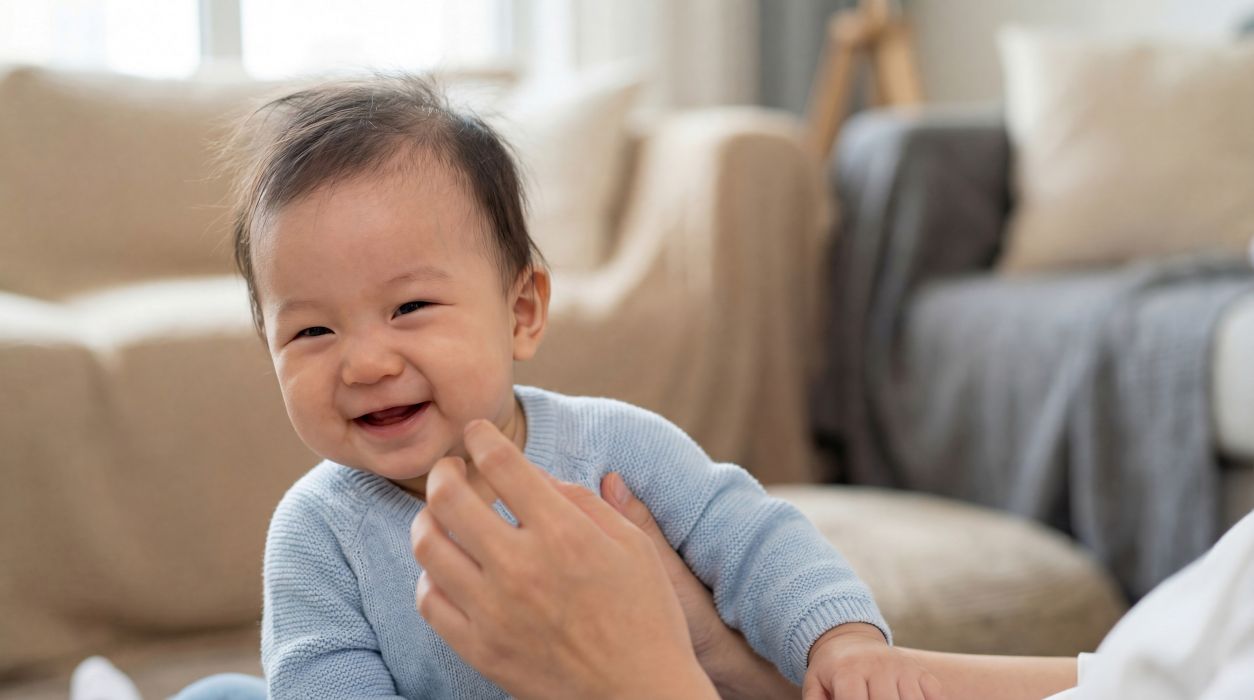
The Early Smiles Are Not Personal (Yet)
Babies can smile incredibly early, even before they are born. In the first few weeks after birth, these smiles are reflexive. They often happen when your baby is sleepy or drifting off and are controlled by the nervous system, not emotion.
They are sweet, but they are not responses. Your baby is not smiling at you yet, even though it feels tempting to believe otherwise.
Most of these reflex smiles fade by around eight weeks.
When the “Real” Smiles Begin
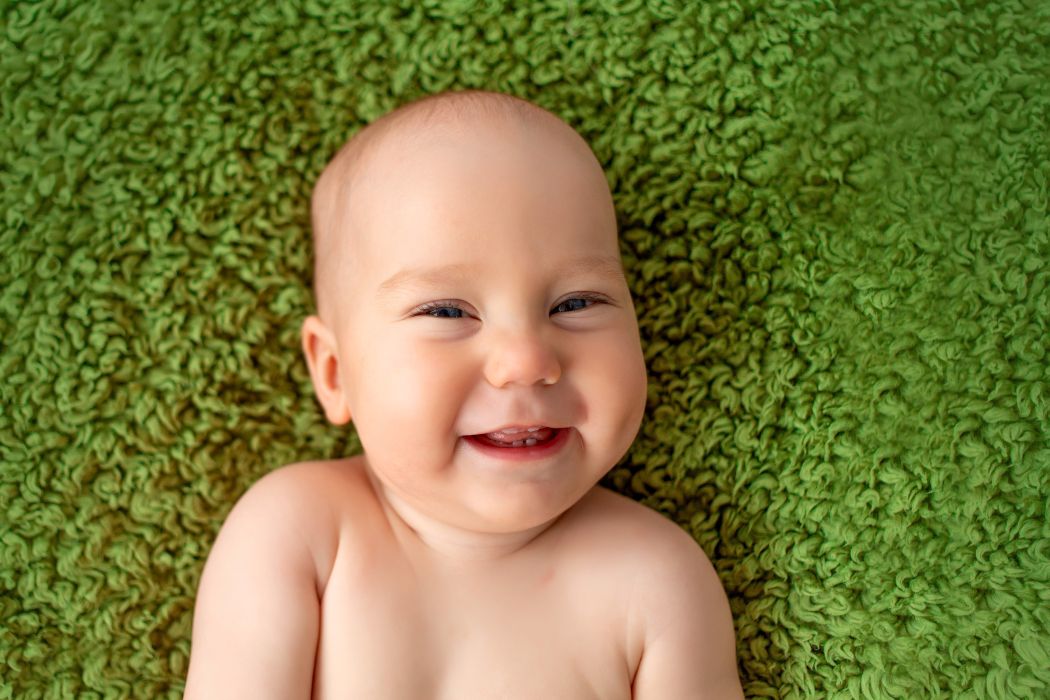
The moment most parents are waiting for is the social smile. This usually appears between six and twelve weeks, with many babies landing around the two-month mark.
This is when your baby smiles in response to something. Your face. Your voice. That ridiculous high-pitched tone you swore you would never use but now absolutely do.
You will know it is real because their eyes get involved. The smile lingers. It feels intentional.
Developmentally, this is a big deal. It means your baby’s vision is improving, their brain is processing social cues, and they are beginning to understand that connection works both ways. When they smile, something happens. You smile back. You talk. You stay close. That feedback loop matters.
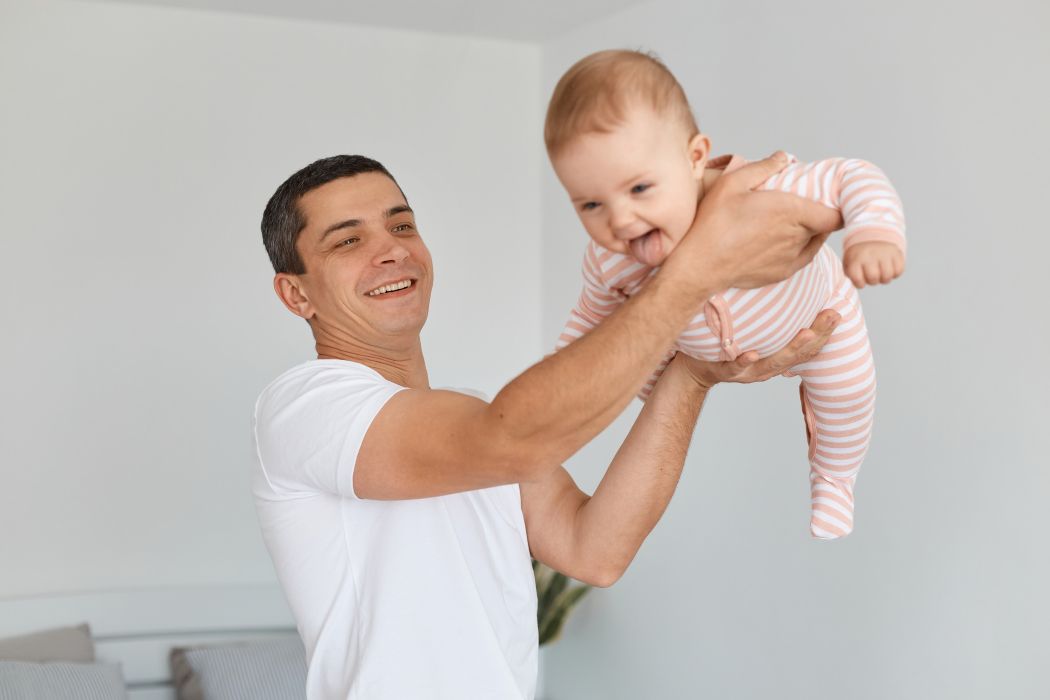
Can You Encourage Smiling?
You don’t need flashcards or special toys. What works best is what most mums are already doing instinctively.
- Make eye contact during feeds and diaper changes
- Talk to your baby and pause, as if waiting for a reply
- Smile often, slowly, and warmly
- Be playful without overwhelming them
Peek-a-boo, silly faces, gentle singing, and even narrating mundane moments can all invite a smile. At the same time, it helps to watch for overstimulation. Babies will often turn their head away or look down when they need a break. That is not rejection. That is a regulation.
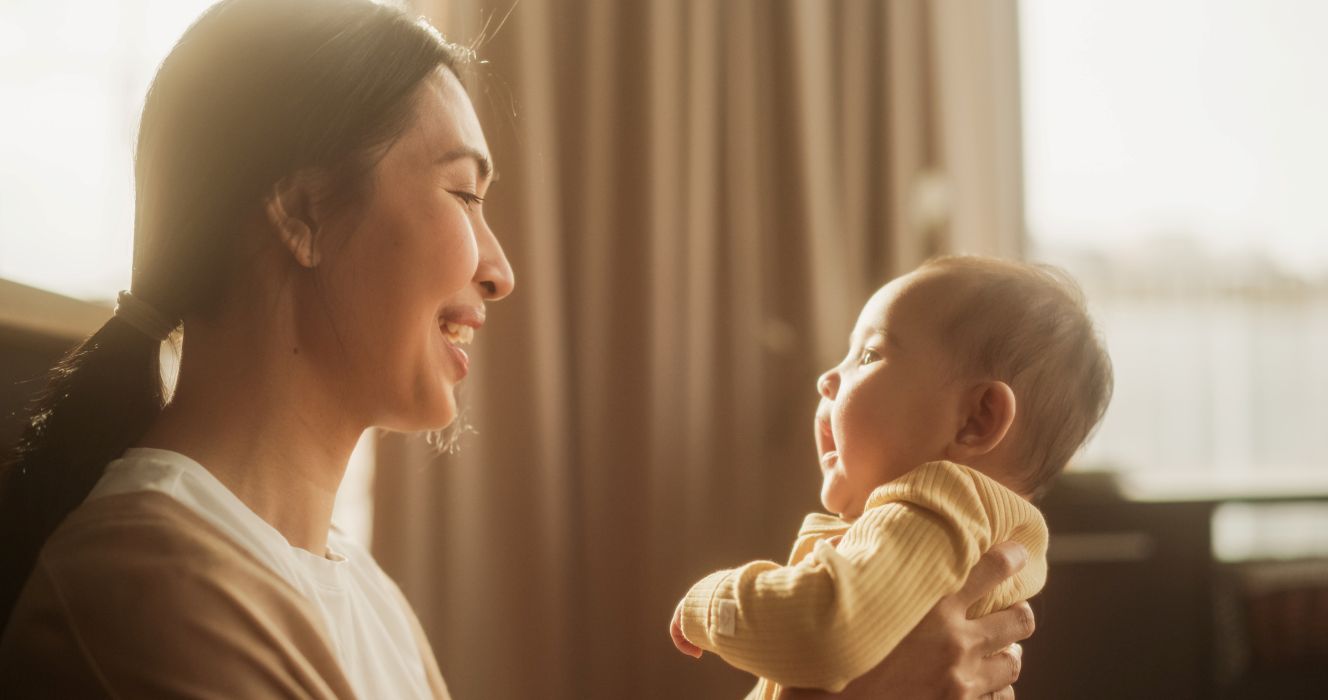
What Comes After Smiles
Once your baby figures out that smiling gets a reaction, they will use it often.
At first, smiles respond to a mix of sights and sounds. Later, simply seeing you may be enough. Over time, smiles evolve into coos, then giggles, then full belly laughs. By around five months, many babies laugh loudly and freely, especially during play.
It is one of the most joyful progressions of early parenthood, and one that reminds you that your presence matters more than perfection.
When to Stop Googling and Check In
Every baby develops on their own timeline. Some smile early. Some take a little longer. A delay does not automatically signal a problem.
That said, if your baby is not smiling socially by three months, it is worth mentioning to your paediatrician. Not as a cause for alarm, but as part of ongoing developmental monitoring.
A Gentle Reminder for Modern Mums
Your baby’s smile is not a reward for flawless parenting. It is not proof that you are doing everything right, nor is its absence a sign that you are failing.
It is simply one small moment in a long, evolving relationship.
And when it comes, whether at six weeks or twelve, it will likely stop you in your tracks anyway. Because no matter how many milestones you read about online, nothing prepares you for the first time your baby looks at you and says, without words, I see you.