






Down syndrome is one of the most common genetic conditions worldwide, including in Malaysia. As an obstetrician and gynaecologist, my role is not only to care for women during pregnancy, but also to guide families with accurate information, realistic expectations, and compassionate support when facing a prenatal diagnosis.
What Is Down Syndrome?
Down syndrome occurs when a baby is born with an *extra copy of chromosome 21*, resulting in 47 chromosomes instead of the usual 46. This additional genetic material affects physical development, learning ability, and overall health.
There are three recognised types:
- Trisomy 21 (about 95% of cases)
- Translocation Down syndrome
- Mosaic Down syndrome
Each child with Down syndrome is unique, with varying abilities and health needs.

The Malaysian Scenario
In Malaysia, Down syndrome remains one of the most frequently identified chromosomal conditions. According to local advocacy groups and paediatric services, *early diagnosis, timely intervention, and family support significantly improve outcomes* for children with Down syndrome.
Malaysia has seen encouraging progress in:
- Prenatal screening availability*, including NIPT in both public and private sectors
- Paediatric cardiology services*, essential as some babies are born with congenital heart conditions
- Early intervention programmes* offered through hospitals, NGOs, and community centres
However, awareness gaps and social stigma still exist, making education and open discussion critically important.
Early diagnosis, timely intervention, and family support significantly improve outcomes* for children with Down Syndrome.
Why Does Down Syndrome Occur?
Down syndrome occurs randomly during cell division. It is not caused by lifestyle, diet, stress, or actions during pregnancy.
Advanced maternal age is a recognised risk factor, but it is important to note that *most babies with Down syndrome in Malaysia are born to younger mothers*, simply because they represent the majority of pregnancies.

Prenatal Screening and Diagnosis in Malaysia
1. Screening Tests (Risk Assessment)
- First trimester combined screening (blood tests + ultrasound)
- Non-invasive prenatal testing (NIPT)*, increasingly available in Malaysian hospitals
2. Diagnostic Tests (Confirmation)
- Chorionic Villus Sampling (CVS)
- Amniocentesis
Screening tests estimate risk, while diagnostic tests provide confirmation. These options should always be discussed with a qualified healthcare provider to ensure informed decision-making.
Practical Advice for Malaysian Parents
1. Give Yourself Time
A diagnosis, prenatal or postnatal, can be emotionally challenging. Take time to process the information and seek clarification from your doctor. Emotional reactions are normal and valid.
2. Access Early Intervention Services
In Malaysia, early intervention services may include:
- Hospital-based therapy programmes
- Community rehabilitation centres
- NGO-supported developmental services
- Early therapy improves motor skills, communication, and confidence.
3. Monitor Health Regularly
Children with Down syndrome may have associated conditions such as:
- Congenital heart disease
- Thyroid disorders
- Hearing or vision problems
- Regular follow-ups allow early detection and timely treatment
4. Advocate for Inclusive Education
Many children with Down syndrome in Malaysia attend mainstream or special education programmes. With appropriate support, they can learn effectively and build social skills.
5. Seek Community and Family Support
Connecting with other parents and support organisations can be empowering. Shared experiences often reduce anxiety and help families feel less alone.
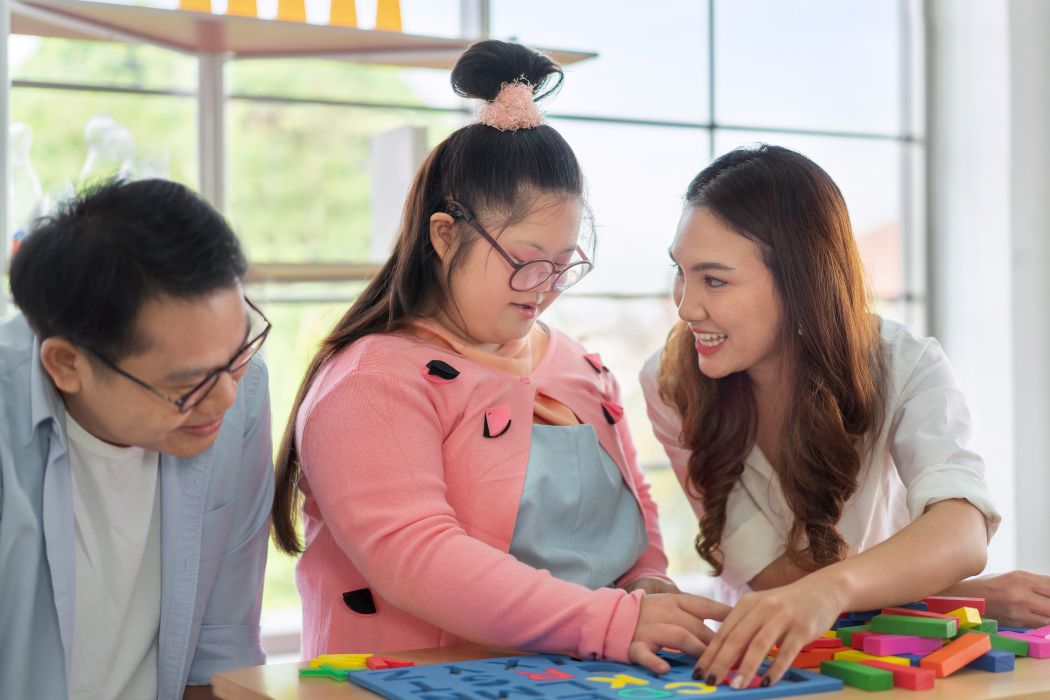
Myths vs Facts About Down Syndrome
Myth 1: Down syndrome is very rare in Malaysia
Fact: Down syndrome is one of the most common chromosomal conditions seen in Malaysian maternity and paediatric services.
Myth 2: Parents caused the condition
Fact: Down syndrome is a genetic condition that occurs randomly. Nothing done during pregnancy causes it.
Myth 3: All individuals with Down syndrome have severe intellectual disability
Fact: Intellectual ability varies. Many individuals have mild to moderate learning challenges and can attend school, work, and live fulfilling lives.
Myth 4: People with Down syndrome cannot contribute to society
Fact: With support and inclusion, individuals with Down syndrome can work, form relationships, and actively participate in their communities.
Myth 5: A diagnosis means a poor quality of life*
Fact: Quality of life is influenced by healthcare access, education, family support, and social acceptance, not the diagnosis itself.
Looking Forward
With improved healthcare services, stronger advocacy, and growing awareness in Malaysia, outcomes for individuals with Down syndrome continue to improve. Inclusion, early support, and understanding are key to helping them reach their full potential.
A Message to Families
A Down syndrome diagnosis does not define your child’s future. Your child is first and foremost *a child, with personality, emotions, and potential*. With love, medical care, and community support, children with Down syndrome can lead meaningful and joyful lives.
As healthcare professionals, we are here to support families every step of the way.