





While the battle against the pandemic is not over, we have entered the New Year 2022 hoping that things will go better for everyone despite the continuous attacks by this unkind virus COVID-19.
On the bright side, the government has decided to begin vaccinations this year for kids below twelve years old. It is a good start to avoid school clusters. Parents can send their children worry-free knowing that their children will be safe.
While safety is our top priority for our children to go to school, there’s another issue to tackle as well.
Are you dealing with a grumbling kid who doesn’t want to go to school after the holidays? While it’s perfectly normal for children to behave in such a manner, the struggle is real for parents.
So, what to do if your child refuses to go to school? Here are some tips for you, mums!
1. Ask Why
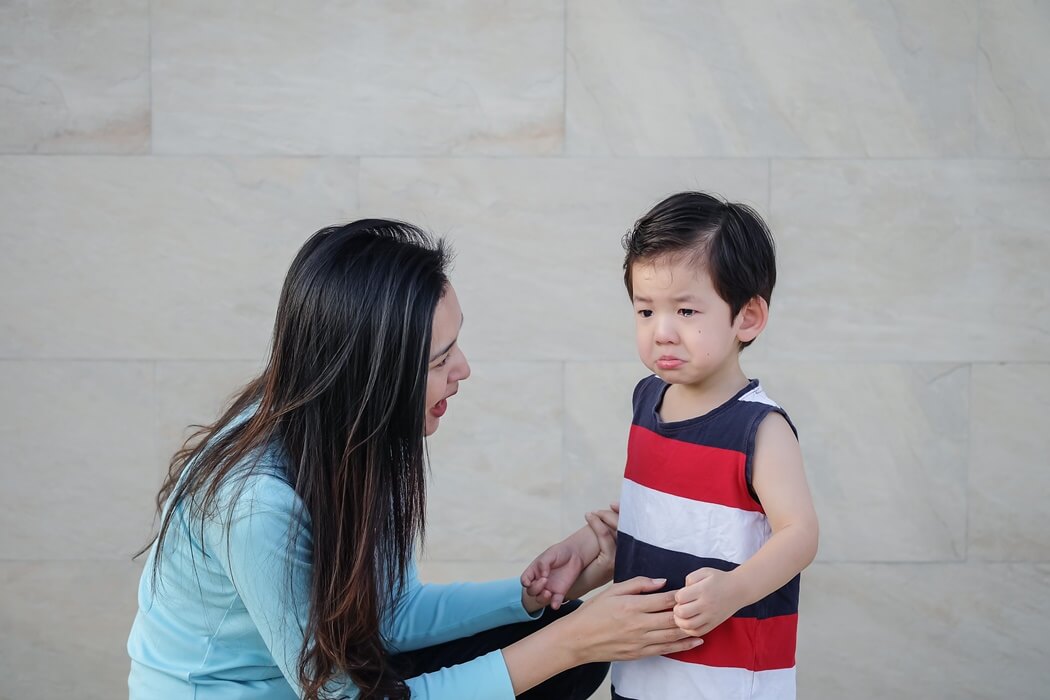
Most pre-schoolers or young primary children refuse to go to school because of worries or anxiety about leaving home – their comfort zone. Or it could be due to learning difficulties, or socializing problems. So, it’s best to talk to your child about why or what makes him/her not interested in going to school. Finding the reasons will help parents to decide on the solutions.
It’s good to accept children’s feelings about school, while at the same time reminding your child of positive memories from school or someone at school that made them feel safe is a great way to encourage them to try school again.
2. Motivation

We, the adults, work, earn money and live a desirable life. Living a good life is our motivation. Similarly, kids need the motivation to go to school too. You may reward them with any form of gifts, not necessarily a big expensive present but merely a simple motivational gesture will do. For example, praising the kids when they get up early and rewarding them by allowing them to stay up late during the weekend, or you may allow TV or video games and so on as a reward for going to school.
You may want to choose a reward system that best suits your family.
3. Don’t Lecture

Your kids are still young, so help them understand the importance of school, learning, and having fun with schoolmates. But remember not to give a lengthy discussion or arguments on the importance of going to school.
Be sweet and gentle on your points because lecturing won’t do any good. Instead, it might make matters worse. You need to stay calm and focus on your efforts to get your child to go back to school. Be patient with your child’s progress, and keep encouraging them.
It will help your child build the confidence they need to get back to school regularly.
4. Keep an Open Mind
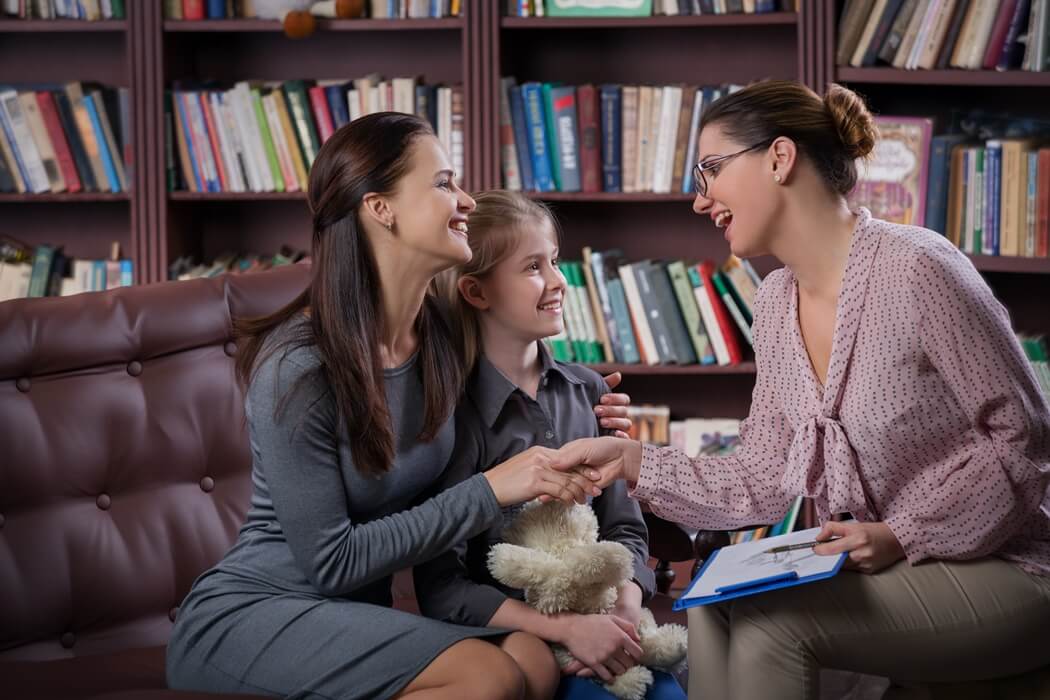
It is important to hear and act accordingly for any possibility. Do not assume the reasons behind your child’s refusal by blaming the teachers or the school.
The best is to clarify matters both ways and find the answers to resolve them rather than pointing the finger and blaming, which is not going to do much to solve the problem.
5. Taking Baby Steps…
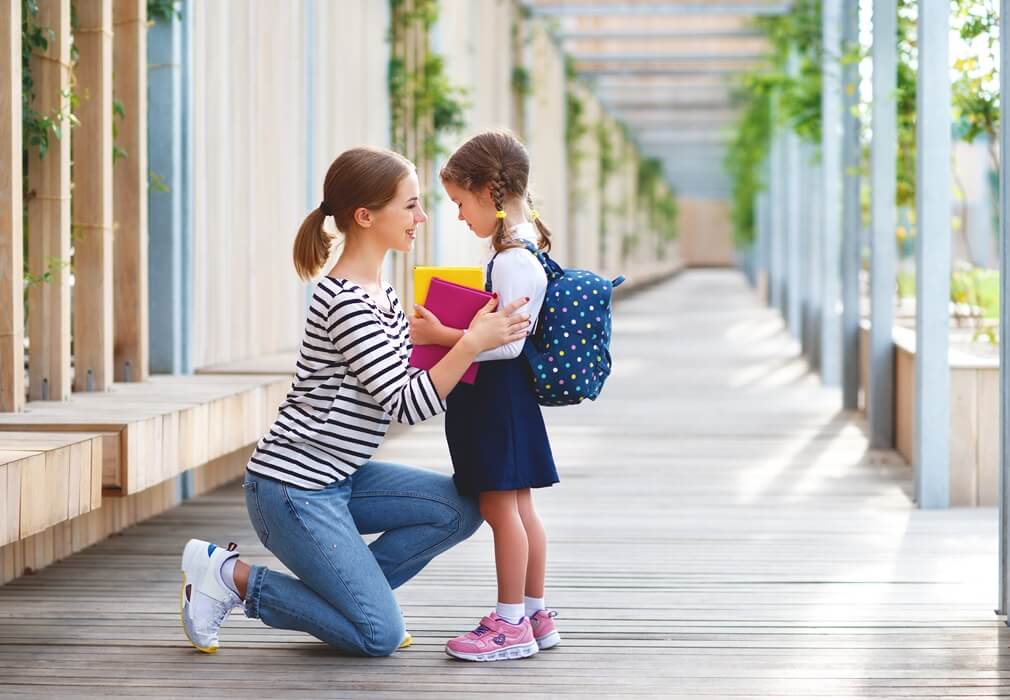
Parents can use these simple gradual steps to get your child into school. Start small. For example;
- Walk your child to the classroom on day one.
- Walk your child to the hall on second day.
- Walk your child to the canteen on third day.
- Walk your child to the front of the school and slowly let him take his own steps forward.
The idea is for you to build on what they are comfortable with, and gradually release control and ownership to your child.