







Maslissa Sazele, Dietitian, Columbia Asia Hospital – Batu Kawan
Picky eating is one of the most common concerns among parents of young children. Whether your child avoids anything with sauce, refuses soft or “mushy” textures or insists on eating only specific foods, mealtimes can quickly become stressful, frustrating and emotionally exhausting.
But the real question is – is picky eating just a normal childhood phase or could it be something that is harmful to your child’s health?
When Picky Eating Becomes a Risk
Long-term picky eating can lead to nutritional deficiencies and impact growth, learning and immunity. One serious concern is Failure to Thrive (FTT), a condition where a child does not gain weight or grow at the expected rate. This is often due to chronic undernutrition or very limited food intake.
Picky eating may lead to:
- Underweight or stunted growth
- Delayed brain development
- Poor appetite and low energy
- Iron, zinc and vitamin deficiencies

Prevalence of Picky Eating and Growth Issues in Malaysia
A local 2022 study on picky eating behaviour among preschool children by Hanapi, H. M. and Teng, N. I. M. F. found that about 32% of Malaysian preschoolers are considered picky eaters. Many show a strong dislike for vegetables, unfamiliar textures or non-fried foods.
According to the National Health and Morbidity Survey (NHMS) 2022, undernutrition remains a serious problem where approximately 21.2% of children under 5 years are stunted and 15.3% are underweight.
These figures reflect how picky eating, if not addressed early, may elevate undernutrition among Malaysian children.
The Building Block of a Child’s Balanced Diet
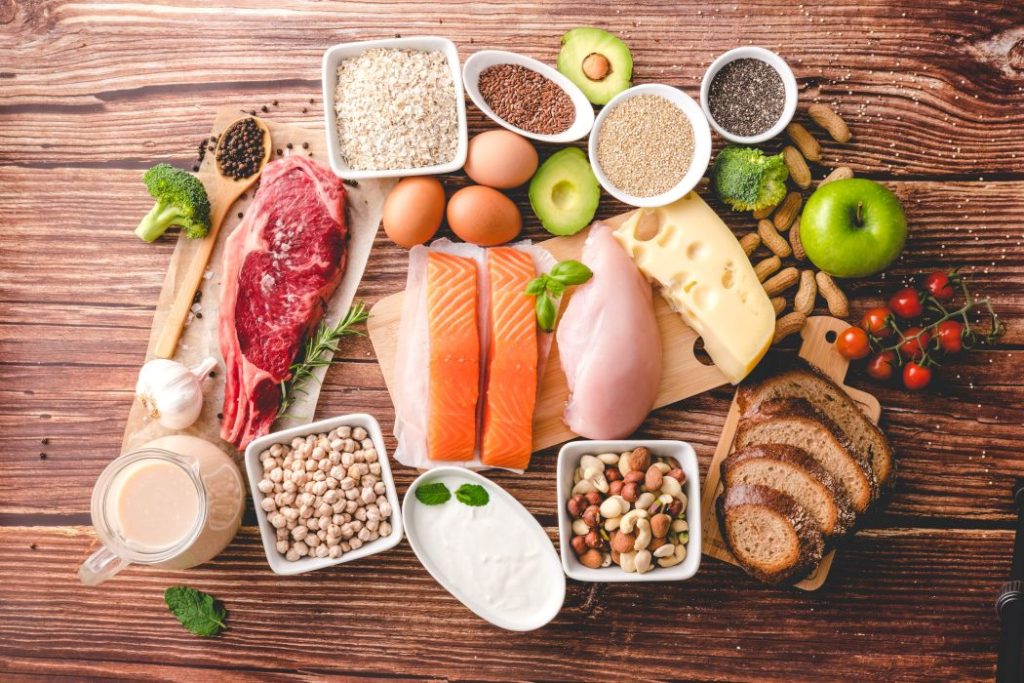
To grow, think, and thrive, children need a trio of balanced nutrients: carbohydrates, protein and healthy fats. With the right balance, good food can become good fuel.
Carbohydrates – The Main Energy Source
Carbohydrates are the body’s main source of energy and play a vital role in fueling a child’s physical activity and brain function throughout the day.
Common sources include rice, bread, corn, potatoes, noodles and fruits.
To support better digestion and sustained energy, it is important not to rely on just one type of carbohydrate. Moreover, rotating the carbohydrate options will keep meals more appealing for children. However, be cautious with refined or sugary choices like sweetened cereals or sweets, as they may lead to quick energy spikes followed by fatigue or poor focus.
Protein – For Growth, Immunity & Repair
Protein is essential for building and repairing tissues, supporting muscle growth, hormone production and supporting a strong immune system.
Good sources include chicken, fish, eggs, beef, tofu, cheese and milk.
It is best to focus on whole protein foods rather than relying on processed meats like sausages, nuggets or deli slices, which tend to be low in quality protein and high in salt and unhealthy fats.
Healthy Fats – For Brain & Nerve Development
Healthy fats play a crucial role in early brain development, nerve function, and the absorption of fat-soluble vitamins.
Foods such as avocado, olive butter, nuts, seeds, vegetable oils, mackerel and salmon are excellent sources of these beneficial fats.
Unlike adults who may need to limit fat intake, young children actually require more healthy fats to support growth and cognitive development. Do not be afraid to add small portions of these fats to meals. For example, you can sauté scrambled eggs or add butter to mashed potatoes, as these fat sources also provide key nutrients like DHA and EPA.
Making It Easy: The Power of Finger Foods
For young children, especially picky eaters or toddlers, finger foods are more than just convenient. They help promote independent eating, develop fine motor skills and make meals feel fun and less pressured.
Finger foods can also encourage hesitant eaters to interact with food at their own pace, which is helpful in building food confidence.
Examples of Nutritious Finger Foods:
- Carbohydrates: Soft bread cut into strips, rice balls, mini wholegrain pancakes, sweet potato wedges
- Protein: Hard-boiled egg quarters, tofu cubes, grilled chicken strips, steamed fish flakes
- Healthy fats: Avocado slices, nut butter on toast fingers, soft cheese cubes
- Fruits & Veggies: banana chunks, melon balls, steamed carrot sticks, cucumber circles.
Let them eat with their fingers, dip into sauces, or even get a little messy because for children, mealtime is also learning time.

Lifestyle Modifications: Beyond the Plate
Changing a child’s eating habits is not just about the food, but it is also about the environment and attitude during mealtimes. Here is what truly helps picky eaters become more confident and curious about food:
1. Create a Distraction-Free Mealtime
Turn off TVs and gadgets. Sitting together as a family helps children focus on eating while making mealtime a shared and calm experience.
2. Avoid Pressure to Eat
Let children decide how much to eat from what is offered. Pressuring, bribing, or forcing often creates anxiety and deeper food refusal.
3. Model the Behaviour You Want to See
Children tend to copy adults. If they see you enjoying veggies or trying something new, they are more likely to follow.

In summary: It is a Journey, Not a Race
Picky eating can feel frustrating, especially when you are trying your best to nourish your child. But with patience, consistency and a calm mealtime environment, even the fussiest eaters can learn to enjoy a wider range of foods.
Start with minor changes by offering balanced meals, introducing fun finger foods and making eating a positive experience. Over time, these efforts build the foundation for lifelong healthy eating habits.