




Wondering what to do when your child has a fever? Learn how to keep them comfortable at home, recognise fever warning signs and know when to seek medical advice.
When your child develops a fever at night, knowing what to check and when to seek help can make a stressful situation easier to manage.
The flushed cheeks. The restless sleep. The thermometer beeping back a number you really did not want to see at 2am.
Then come the questions. Should we go to the clinic? Is this temperature too high? Should I give medicine now? Do I need to keep checking throughout the night?
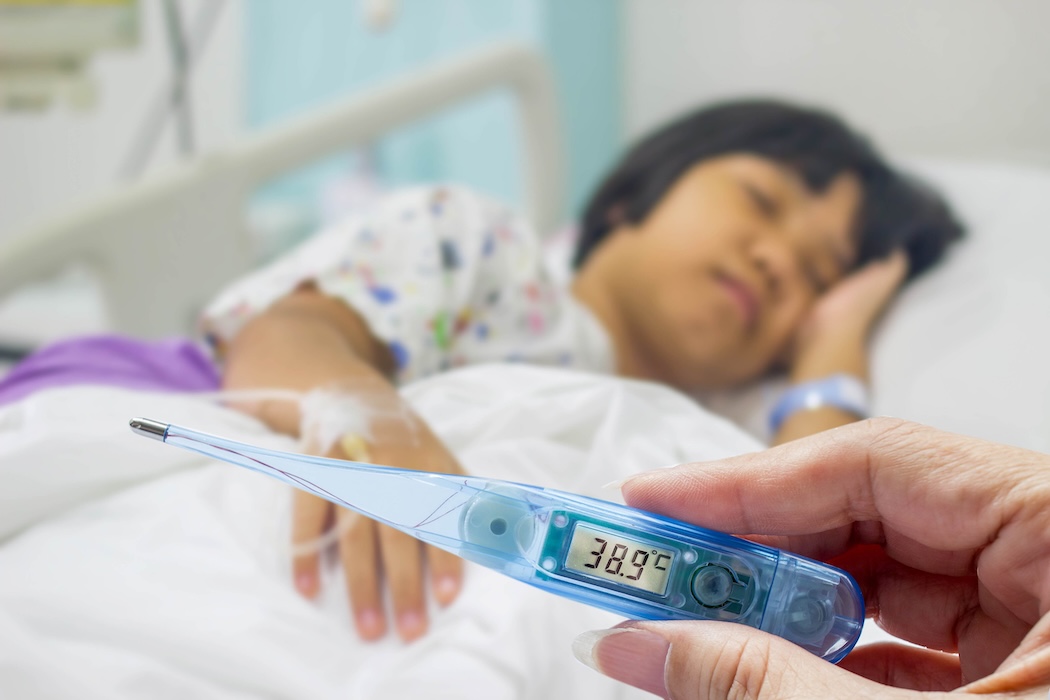
Fever is common in young children and is usually the body’s natural response to an infection. A temperature of 38°C or above is generally considered a fever in children.
But the number on the thermometer is only one part of the picture. Your child’s age, behaviour, breathing, hydration and other symptoms matter too.
Here are seven things parents should know when fever strikes.
1. When Should You See a Doctor for a Child’s Fever?
For children older than six months, a higher temperature does not necessarily mean a more serious illness.
Pay attention to your child as a whole. Are they responding to you? Are they drinking? Are they breathing normally? Can they be woken easily?
Seek urgent medical attention if:
- Your baby is under three months old and has a temperature of 38°C or higher
- Your baby is three to six months old and has a temperature of 39°C or higher
- Your child is difficult to wake, unusually drowsy or not responding normally
- They are struggling to breathe
- They have a seizure
- They develop a rash that does not fade when pressed
- They show significant signs of dehydration
- Their fever lasts for five days or longer
- Their condition is getting worse or you are seriously concerned
For babies under six months in particular, it is better to seek medical advice early.
And if your child simply seems much more unwell than they usually do when sick, trust that observation and get them assessed.
2. Keep Your Child Hydrated During a Fever
A feverish child may lose more fluid and may also drink less than usual, increasing the risk of dehydration.
Offer your child fluids regularly during a fever, using small, frequent sips if they find drinking difficult.
For breastfed babies, continue breastfeeding. Formula-fed babies can continue their usual feeds, while older children can be offered water and other suitable fluids.
Keep an eye out for signs such as:
- Dry mouth or lips
- No tears when crying
- Sunken-looking eyes
- Fewer wet nappies or less frequent urination
- Unusual tiredness
If your child is struggling to drink or you are concerned about dehydration, seek medical advice.
Parent tip: Small, frequent sips may be easier for an unwell child than asking them to finish a whole cup at once.
3. How to Dress a Child With a Fever
If your child feels hot, you may be tempted to strip off their clothes.
If they start shivering, the instinct may be to pile on thick blankets.
Neither extreme is necessary.
Dress them comfortably and avoid wrapping them in too many layers or heavy bedding.
The aim is simple: keep them comfortable while their body deals with the illness.
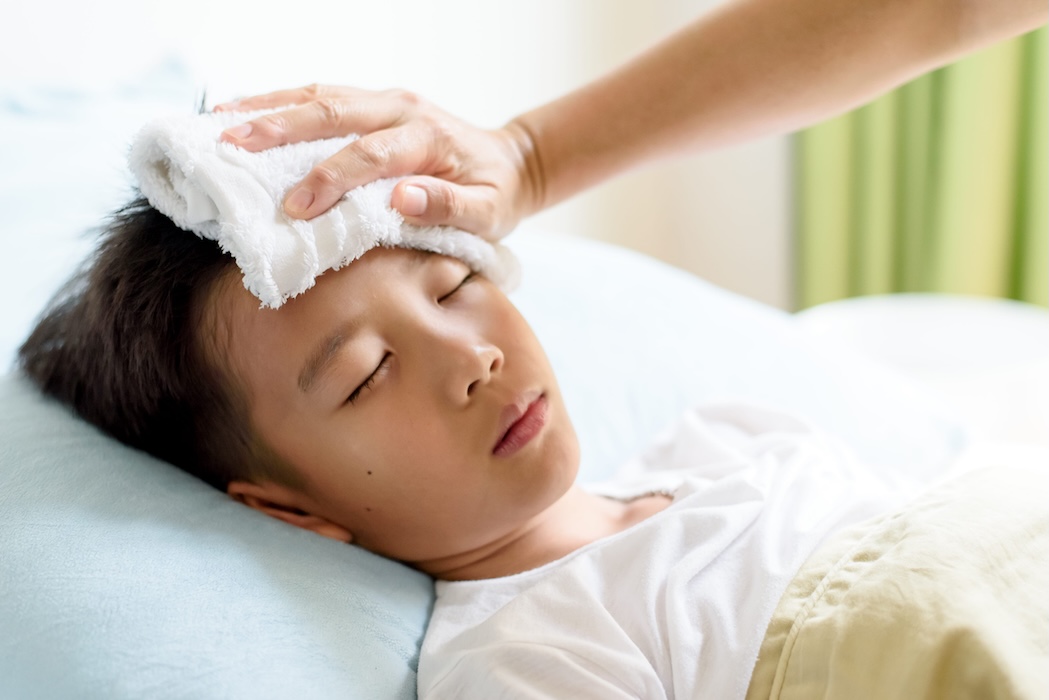
4. Is Sponging Recommended for a Child’s Fever?
Many of us grew up with someone bringing out a basin and wet cloth as soon as a fever appeared.
Current medical guidance does not recommend tepid sponging as a treatment for childhood fever.
There is also no need for cold baths, ice packs or other aggressive cooling methods.
Instead, concentrate on your child’s comfort, hydration and symptoms.
A normal bath is perfectly fine if your child wants one. It just should not be relied upon as a treatment for reducing fever.
5. Keeping a Child Comfortable During Fever at Night
Daytime fever is tiring. Night-time fever can feel endless.
You finally get your child settled, only to find yourself checking on them again because they still feel hot and uncomfortable.
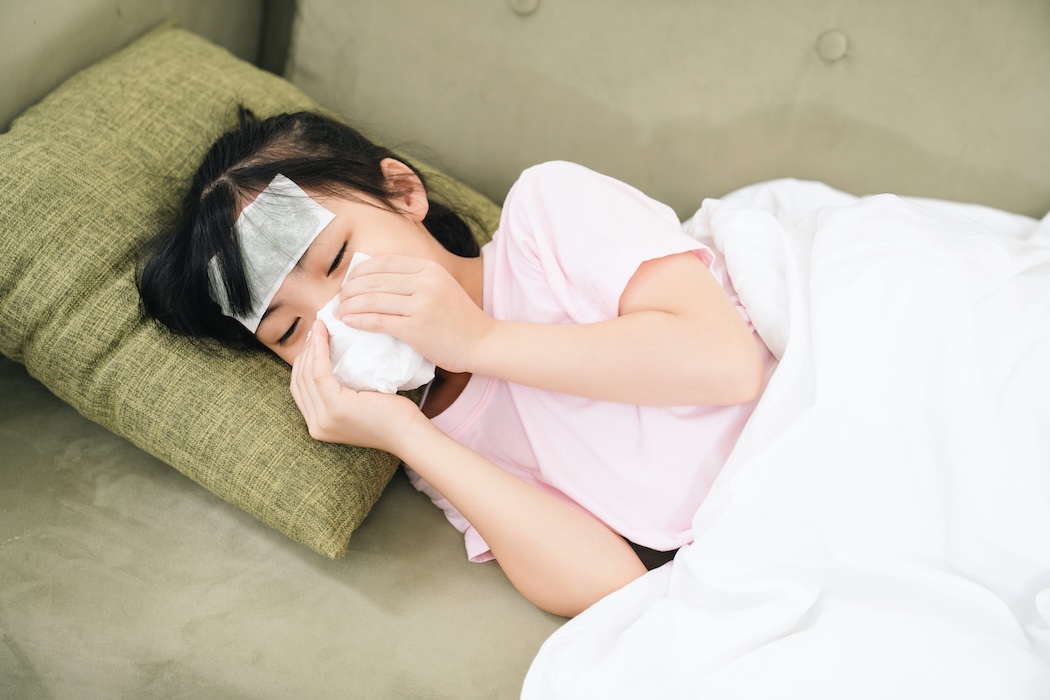
A cooling gel sheet may provide a cooling sensation for a child who feels hot during a fever. Continue offering fluids, monitoring symptoms and following medical advice.
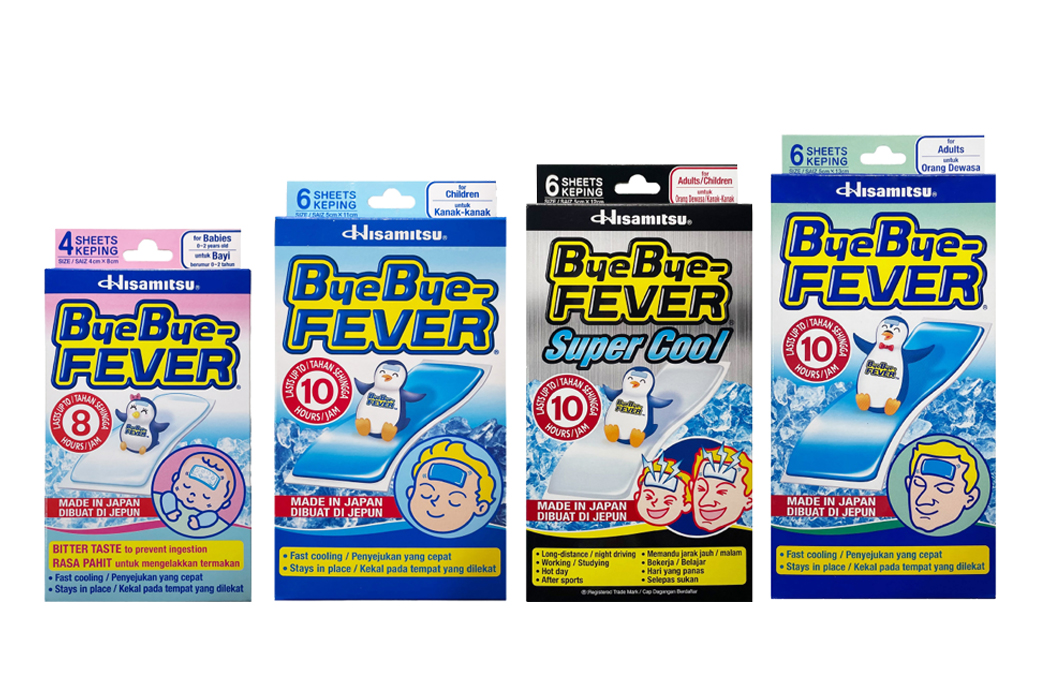 ByeBye-FEVER Cooling Gel Sheets provide an instant cooling sensation for up to 10 hours, intended for cooling comfort during those feverish moments.
They are gentle on skin, designed with strong adhesive power to stay in place, and ready to use. Simply peel and apply. ByeBye-FEVER is also available in variants for babies, children and adults, making it useful to keep at home for the whole family.
Continue monitoring your child’s symptoms and seek medical advice whenever necessary.
And remember, always follow the product instructions, supervise its use on children and avoid applying the sheet around the eyes, mouth, nose or irritated skin.
6. When Should Children Take Medicine for Fever?
Seeing 38.5°C on the thermometer can make parents feel as though they need to get that number down immediately.
That is not necessarily the goal.
Paracetamol or ibuprofen may be considered when a child with fever appears distressed or uncomfortable. They should not be given simply for the purpose of returning the thermometer reading to normal.
A few important reminders:
- Never give aspirin to children under 16
- Check that the medicine is suitable for your child’s age and weight
- Follow the dosage instructions carefully
- Do not give paracetamol and ibuprofen at the same time
- Do not routinely alternate between the two unless advised by a healthcare professional
There are also situations where ibuprofen may not be suitable, including for some very young babies or children who are dehydrated, have chickenpox or certain other medical conditions.
If you are unsure what your child can take, check with a doctor or pharmacist.
7. Let Your Little One Play Doctor for a Day
Children are naturally curious about what happens when someone gets sick. Why do we take our temperature? What does a doctor look for? And what actually happens when we go for a check-up?
ByeBye-FEVER is turning those questions into a hands-on learning experience with Little Dr: Play, Learn, Heal!, an experiential event where children get to step into the shoes of a doctor for the day.
Together with ByeBye-FEVER’s penguin mascot TenTen, little ones will move through interactive experience stations designed to make basic health concepts more fun and approachable.
Each participant will receive a Little Dr Mission Card to complete throughout the stations, followed by a Little Dr Certificate and goodie bag upon completing their mission.
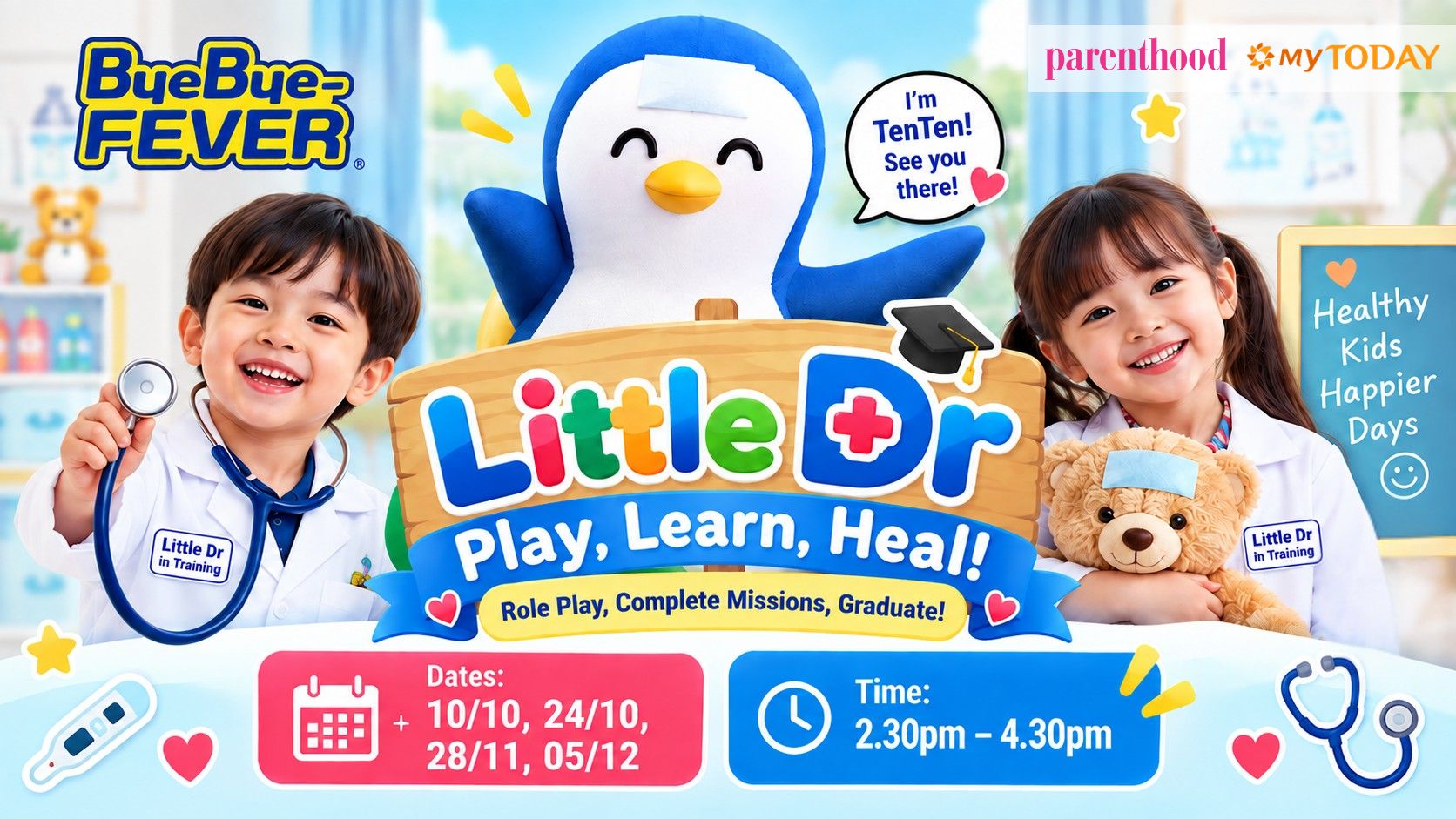
ByeBye-FEVER Little Dr Events: Dates and Registration
The Little Dr sessions will be held on (tentatively):
- 10 October 2026
- 24 October 2026
- 28 November 2026
- 5 December 2026
Time: 2.30pm to 4.30pm
The programme includes role play, health-learning activities, experience stations and a chance to meet TenTen himself.
For parents, it is also an opportunity to help children become more familiar with things such as thermometers, health checks and what happens when we visit a doctor.
Look out for the full Little Dr event details and registration information on the KitaParents website.
When Fever Hits, Focus on the Child
A fever can be unsettling, particularly when it happens in the middle of the night.
But try not to let one number on the thermometer become the only thing you watch.
Keep your child hydrated. Keep them comfortable. Check on them regularly and pay attention to changes in their behaviour, breathing and overall condition.
Know the warning signs that require medical attention, and use medication appropriately when your child is distressed.
For those uncomfortable fever nights, practical comfort measures such as a cooling gel sheet can also be useful to have ready at home.
Because when it is 2am and your little one is unwell, being prepared can make a difficult night slightly easier.