





When designing a study room for your child, the choice of colours is crucial in shaping an environment that can either enhance focus or become a source of distraction. According to Gloria Soong, Manager of Colour Studio, bright colours, particularly in the warm spectrum like yellows and oranges, are known as “energising colours.” These hues can enliven a space, making it feel more vibrant and stimulating, which can help your child stay alert and engaged during study sessions.
On the other hand, if parents choose more muted or cooler tones, these colours can create a calm and soothing atmosphere. However, this may also lead to a more relaxed state, reducing your child’s energy levels and focus, which could make it harder for them to concentrate on tasks that require active attention and creativity.
Benefits of Bright Colours
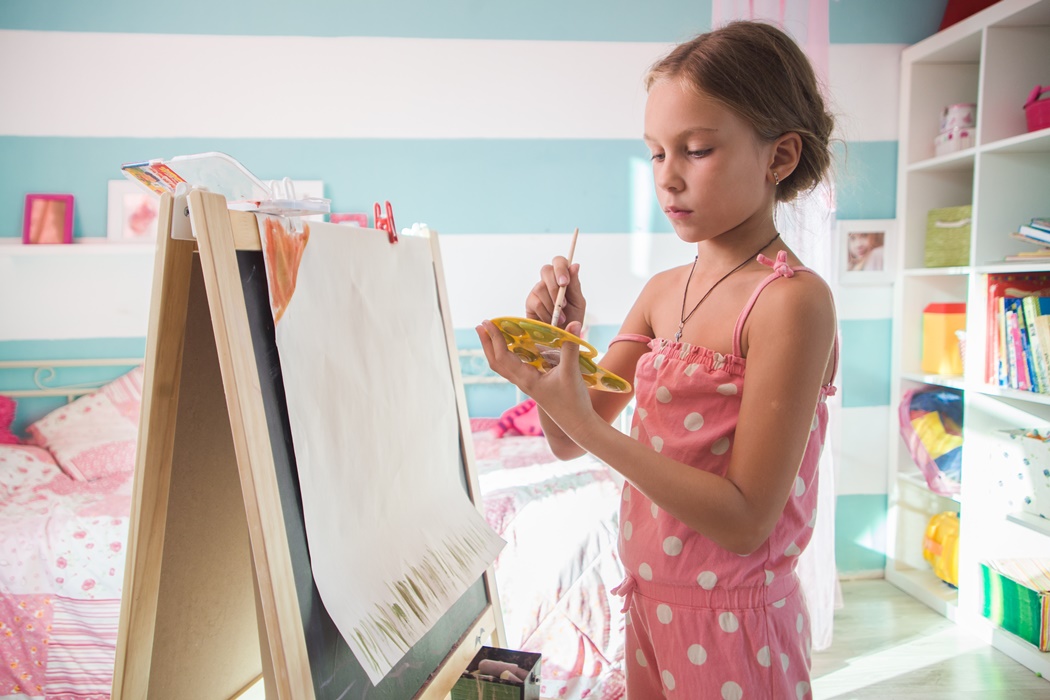
Bright colours offer several advantages when used in a child’s study room, helping to create an environment that is both motivating and conducive to learning. Some of it include:
- Boosts Energy and Productivity: Warm colours such as yellow and orange can help boost your child’s energy levels, making them feel more awake and alert. This can be particularly beneficial in a study room where focus and productivity are essential.
- Enhances Creativity: Bright, stimulating colours can inspire creativity. If your child is engaged in activities that require a lot of imagination and innovation, such as drawing or writing, these colours can help spark creative thinking.
- Positive Mood: Bright colours generally have a mood-lifting effect, which can create a more positive and encouraging atmosphere for your child to study and complete their homework.
Things to Consider When Painting Your Kid’s Study Room

1. Balance
While bright colours have their advantages, it’s important to use them in moderation. Overwhelming the room with too much bright colour can be distracting. Consider using bright colours as accents on walls, furniture, or decor, while keeping the rest of the room in neutral tones.
2. Room Size and Light
The size of the room and the amount of natural light it receives should also influence your choice of colour. For smaller rooms, Gloria recommends painting the entire room, including the ceiling, in lighter colours than your floor. This will make it feel less cramped, more spacious and airier.
3. Personal Preference
Every child is different, and their personal preferences should be taken into account. Some children might thrive in a vibrant environment, while others may find it overstimulating. It’s important to strike a balance that works for your child’s needs and personality.

4. Protect From Harmful Viruses and Bacteria
We all want to keep our little ones safe, which is why not only colours play a role but the formulation of the paint is equally as important as well. Nippon Paint’s Virusguard uses Silver Ion Technology to inhibit growth of viruses and bacteria, giving you one less thing to worry about!
5. Clean Fresh Air
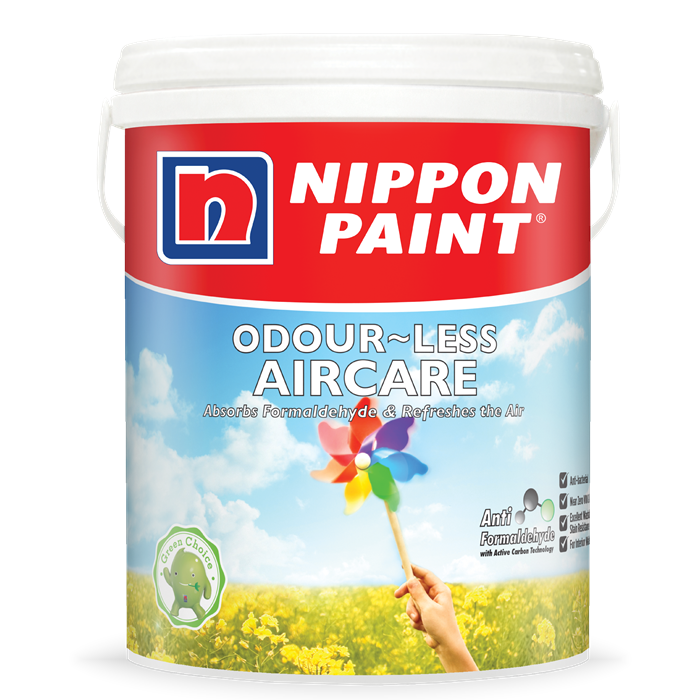
We all know the struggle of strong paint smell after a fresh coat – Nippon Paint’s Odourless AirCare uses Anti-Formaldehyde with Active Carbon Technology that continually absorbs harmful formaldehyde from the air and converts into water vapour, resulting in clean fresh air so you don’t have to worry about harmful pollutants.
In conclusion, while bright colours can be highly effective in creating an energetic and stimulating study environment, it’s important to carefully consider their use to ensure they support rather than hinder your child’s learning experience.