




It is a scene that plays out in countless Malaysian households every evening. You are sitting with your child, reviewing their schoolwork, and they confidently shout out the correct answer. They understand the logic, they have grasped the concept, and their eyes light up with the joy of knowing.
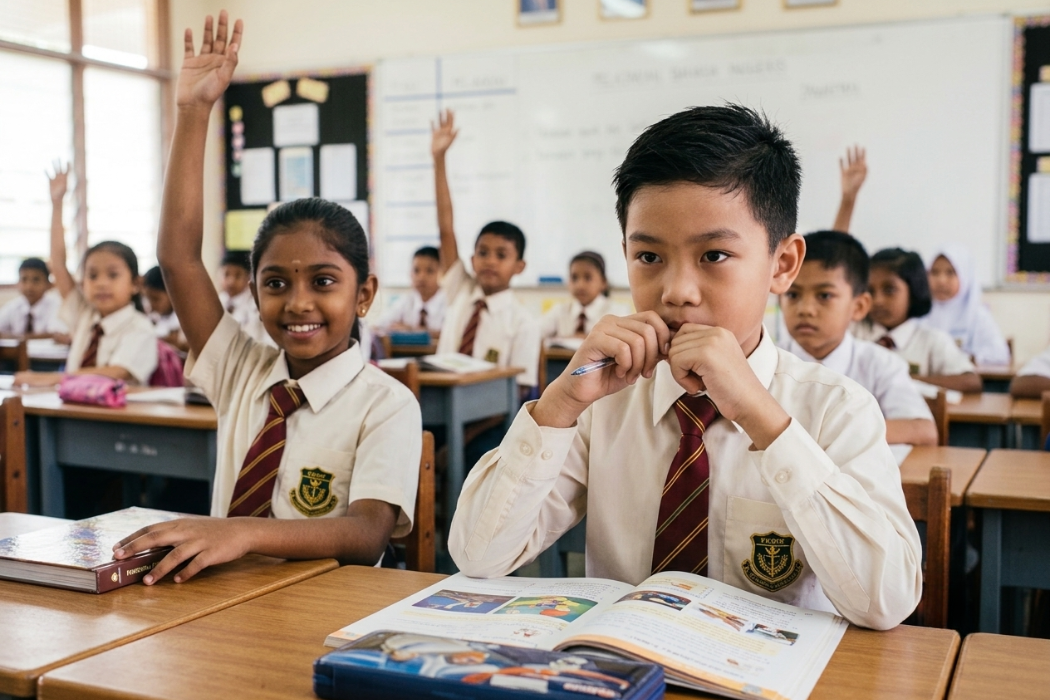
Yet, when placed in a classroom, a social setting, or a school assessment, that same confidence vanishes. When the teacher asks a question, your child looks down at their desk. The answer is right there, on the tip of their tongue, but an invisible barrier keeps them from speaking up.
As parents, it is heartbreaking to witness this gap between ability and anxiety. We know how bright our children are, so why does expressing it to the outside world feel like such an uphill battle?
Passive Consumption vs Active Expression
As we know, the modern childhood landscape has shifted dramatically. Today, children are growing up in a world heavily dominated by gadgets and digital screens. When a child spends hours engaging with a device, they miss out on the subtle nuances of human interaction. Crucial real-world habits, like reading facial expressions, taking turns in a conversation, or overcoming the vulnerability of speaking up, simply do not get the chance to develop.
Over time, children become brilliant at absorbing information, but highly anxious when required to express it. This communication gap often follows them as they grow, manifesting as poor presentation skills, school interview anxiety, and difficulty standing out in a crowded room.
Shifting the Focus: Beyond English Language Learning
Many well-meaning parents attempt to fix this issue by enrolling their children in traditional grammar drills or reading clubs. While a strong command of syntax is helpful, logic and vocabulary alone cannot conquer a child’s fear of being judged.
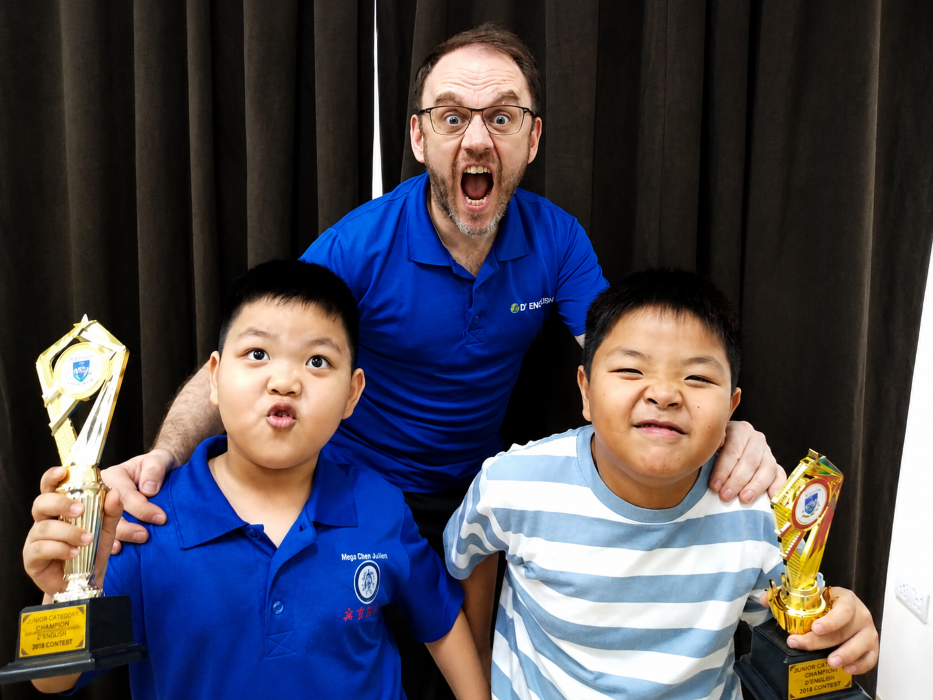
The secret to breaking this silence lies in changing how language is experienced. True confidence is built when language moves off the textbook page and into real life. This is the philosophy behind the approach at D’English Language Centre, the proud recipient of the Parents’ Choice Awards 2026, earning the award for Best Speech and Drama Programme.
Through their specialised Speech & Drama programme, D’English looks at language through a completely different lens, operating on the principle of “Beyond English – Building Confident Communicators for Life”. The goal is to teach correct sentences and nurture the inner assurance a child needs to project their voice into the world.
Bringing Stories to Life
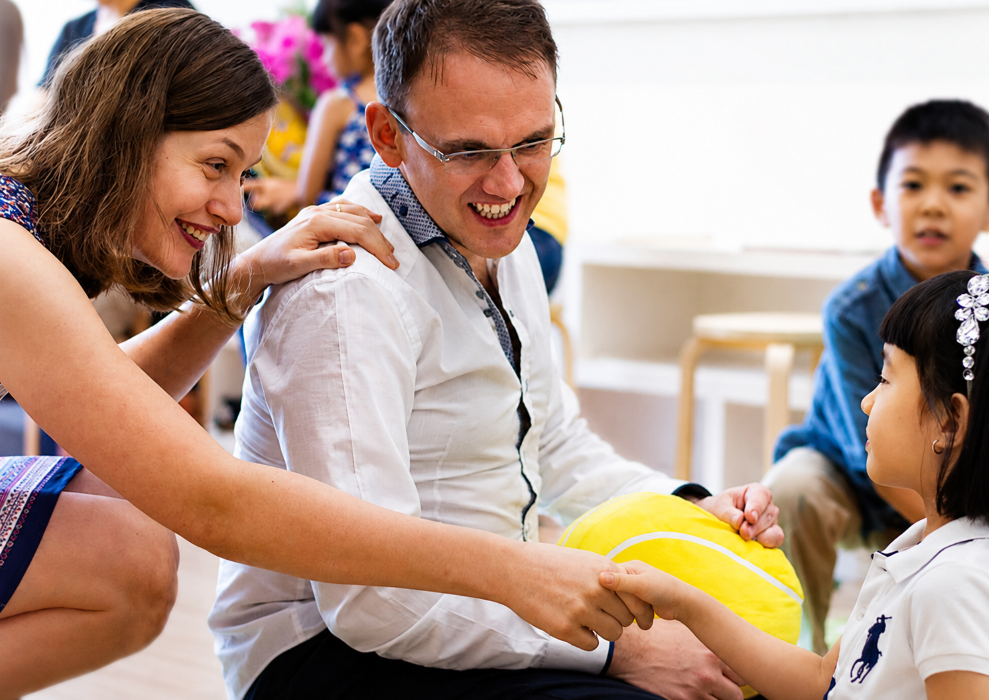
Instead of asking students to sit quietly and read from a book, the highly experienced teachers at D’English bring learning to life through immersive storytelling, current affairs, and world events.
They use a dynamic, two-step approach to engagement:
- Passionate Immersion: Teachers do not just read text; they actively perform and tell stories with immense passion to inspire curiosity and capture the room’s imagination.
- Active Involvement: Students are immediately drawn into the narrative through role-playing and communicative activities, transforming them from passive listeners into active participants.
By stepping into the shoes of different characters, children explore structured performances, emotional expression, and interpersonal confidence in a safe, playful environment. Because every child learns differently, lessons seamlessly incorporate visual, kinesthetic, and auditory elements to ensure no child feels left behind.
Skills that Outlast the Classroom
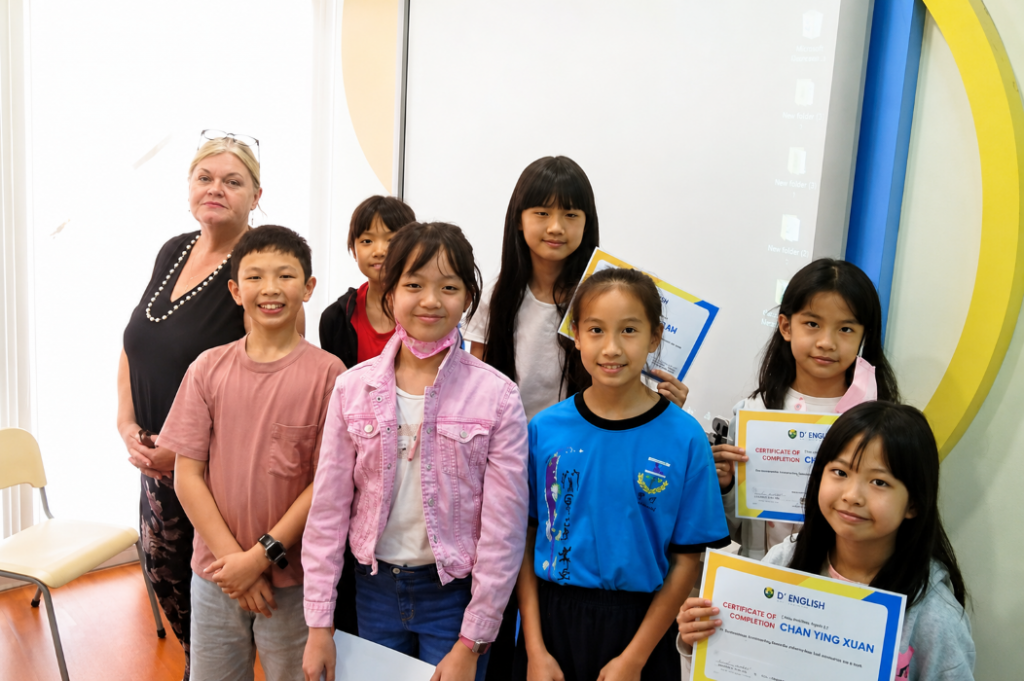
When a child learns to command a small stage during a role-play exercise, something incredible happens to their everyday behaviour. The confidence they build inside the drama room naturally transfers to the real world.
Gradually, that child who used to look down at their desk starts raising their hand in school. They speak clearly during presentations, handle unexpected interview questions with grace, and express their feelings comfortably at home. They develop a love for literacy, supported by initiatives like the D’English annual Read-A-Thon Campaign and a weekly library book borrowing routine.
Our children already possess brilliant minds and correct answers. Our job as parents and educators is simply to give them the tools to share those gifts with the world.
To discover how your child can unlock their inner confidence and find their voice, explore the D’English Speech & Drama programme on their website.
You can also follow their journey on Facebook to see updates from the classroom, or visit their YouTube channel to watch how these immersive stories come to life.