



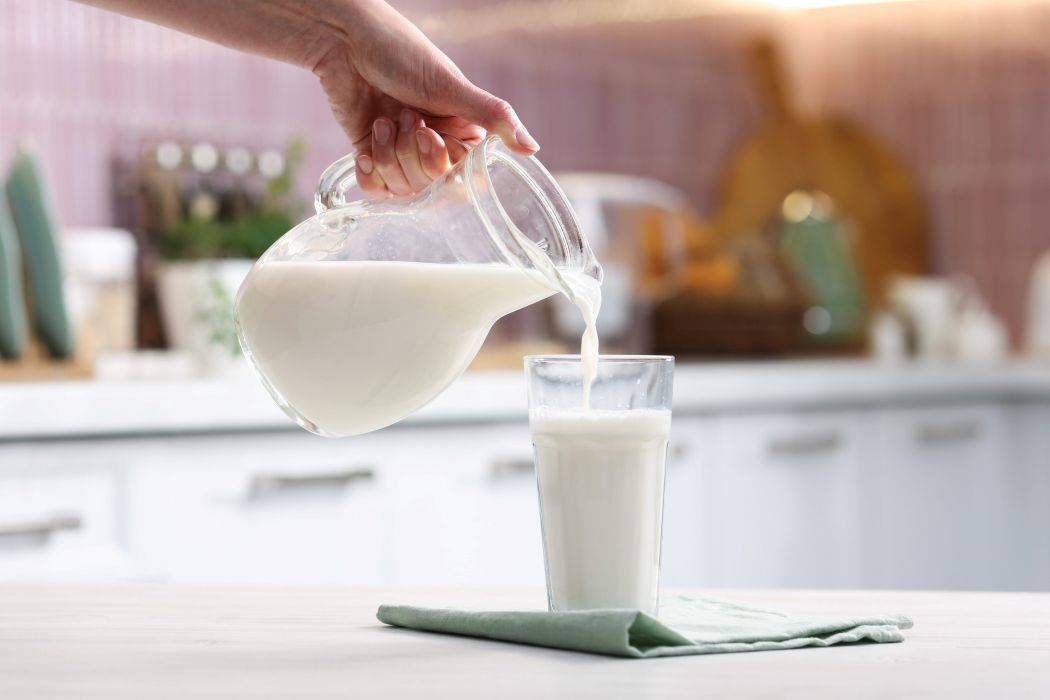


Milk is one of those things many Malaysian families reach for at the start of the day.
Before the school rush begins, it may be poured into cereal, mixed into oats, blended with fruit, served with pancakes or simply drunk on its own. For families with young children, especially, milk often becomes part of the morning routine because breakfast sets the tone for the day ahead.
After all, breakfast is the meal that helps children refuel after a night’s sleep and get ready for school, play, and learning. In many homes, milk plays a simple but important role in making that first meal more complete, familiar, and easy to prepare.
Yet, for something so common, many of us do not always stop to ask: what are we actually drinking?
These days, parents are more careful about food labels. We check for sugar content, preservatives, allergens, country of origin, and ingredients we cannot pronounce. But when it comes to milk, many of us still choose based on habit, price, packaging, or what the family has always bought.
So, what does “fresh” really mean when it comes to milk?
What Does Fresh Milk Actually Mean?
Most of us equate freshness with quality. When we hear “fresh milk”, we often think of milk that tastes clean, natural, and close to what comes from the farm.
In simple terms, fresh milk generally refers to milk that comes from dairy farms and goes through processing methods that help make it safe to drink while preserving its natural goodness.
But freshness is not only about the expiry date printed on the carton. It can also be influenced by:
- Where the milk comes from
- How soon is it processed after collection
- How it is transported
- How it is stored
- How well the cold chain is maintained
- What processing method is used
These details are usually not visible when we pick up a carton from the shelf or chiller. Yet, they can affect the milk’s taste, quality, and overall characteristics.
For busy parents, this matters because milk is often consumed daily by the whole family, especially young children.

Not All Milk Products Start the Same Way
Many of us assume that most milk products follow the same journey from farm to shelf. In reality, different milk products can begin their journey differently.
Some are made from 100% fresh milk, while others may be made using milk solids or milk powder that are later reconstituted with water before being packed for consumption.
Each type has its place in the market. The important thing is for consumers to understand what they are buying.
For families who use milk as part of breakfast, school-day routines, cooking, baking, or daily drinks at home, it may be worth looking beyond the front label. The ingredient list and product description can give useful clues about how the milk was made.
We’re not saying that parents need to become food scientists; it simply means asking better questions before putting a carton into the trolley.
From Farm To Fridge: The Journey Matters
Many consumers tend to associate imported milk with better quality and freshness. However, when we talk about fresh milk, the journey matters.
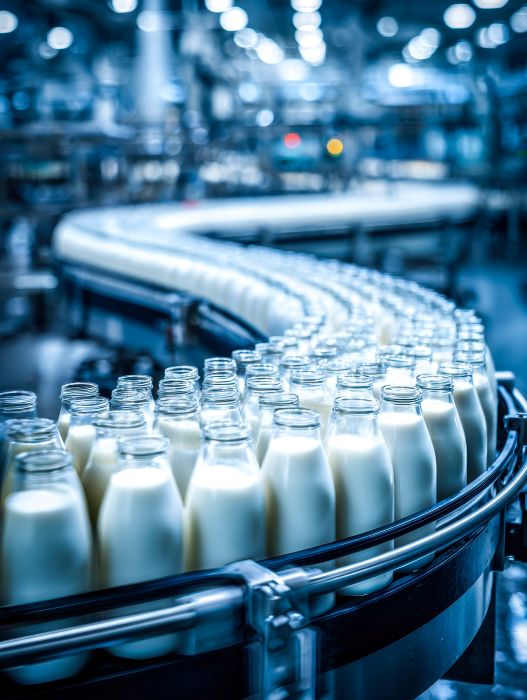
Milk goes through several stages before reaching your home. It starts at the dairy farm, where the milk is collected. From there, it must be transported, processed, pasteurised, packed, delivered, displayed, purchased, and stored properly.
For imported milk, this journey from farm to fridge can be longer. The milk may need to travel across countries, go through longer transportation routes, and spend more time moving through the supply chain before it reaches supermarket chillers in Malaysia.
In reality, a shorter journey can help support freshness because there is less time between collection, processing, delivery, and consumption.
Once it reaches home, it still needs to be stored properly, especially in our warm climate. A simple habit like putting milk back into the fridge quickly after pouring a glass can help preserve its quality for longer.
What Should You Look Out For?
The next time you shop for milk, take a few extra seconds to read beyond the front label. Words like “fresh”, “natural”, or “farm” may catch your attention, but the details usually sit in the ingredient list, product description, and sourcing information.
Here are the top three things to look out for:
- Ingredient list: Is it made from fresh milk?
- Product description: What does the label say about how the milk is made?
- Sourcing information: Does the product share where the milk comes from?
These small checks can help you better understand what you are buying for the family. There is no need to overcomplicate the decision. The goal is simply to look a little closer, ask better questions, and choose milk with more confidence.

The Better Question To Ask
Milk may look simple, but its journey is anything but.
From the farm to the factory, from the delivery truck to the supermarket shelves or chiller, and finally into your family fridge, many steps can influence what ends up in your glass.
At the end of the day, you don’t need to know every single thing about dairy production. But understanding a few basics about sourcing, processing, storage, and ingredients can make a whole lot of difference.
So, the next time you pick up a carton of milk, perhaps the question is not just, “Is this fresh?”
A better question may be: “What does fresh really mean for my family?”