


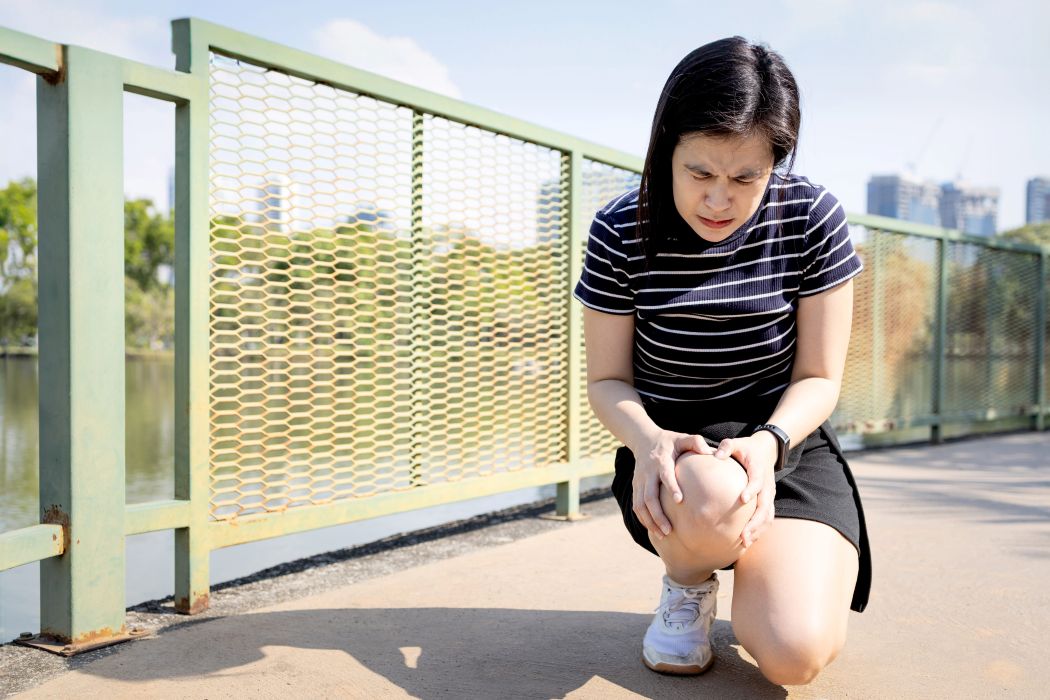


You crouch to pick up the laundry, and your knees protest. Your lower back feels like a stiff plank, and your knuckles are too puffy to slide off your favourite ring. You’re in your 40s -, your body wasn’t supposed to feel this old, this soon.
Many women in their forties find themselves dealing with unexplained aches, stiff joints and muscles that seem to protest every movement. The immediate assumption is often ageing. Maybe it is stress. Maybe it is because there has not been enough exercise lately.
But what if the real culprit is perimenopause?
While hot flushes, mood swings and irregular periods often dominate conversations about menopause, joint pain is one of the most common symptoms that flies under the radar. According to the Menopause and Sexual Wellbeing Centre in New Zealand, many women experience arthritis-like symptoms and increased joint discomfort during perimenopause as hormone levels begin to fluctuate and decline.[1]
The Hormone Nobody Warned You About
Oestrogen does much more than regulate reproductive health.
Research published in The Menopause Transition and Musculoskeletal Health found that oestrogen plays an important role in maintaining bone, cartilage, muscle and connective tissue health. As oestrogen levels decline during perimenopause, women may experience increased inflammation, reduced joint protection and a greater likelihood of developing musculoskeletal symptoms.[2]
This means that the aching fingers, stiff knees and sore hips that seem to appear out of nowhere may not be random at all.
Sound familiar? You are certainly not alone.
Meet the Musculoskeletal Syndrome of Menopause
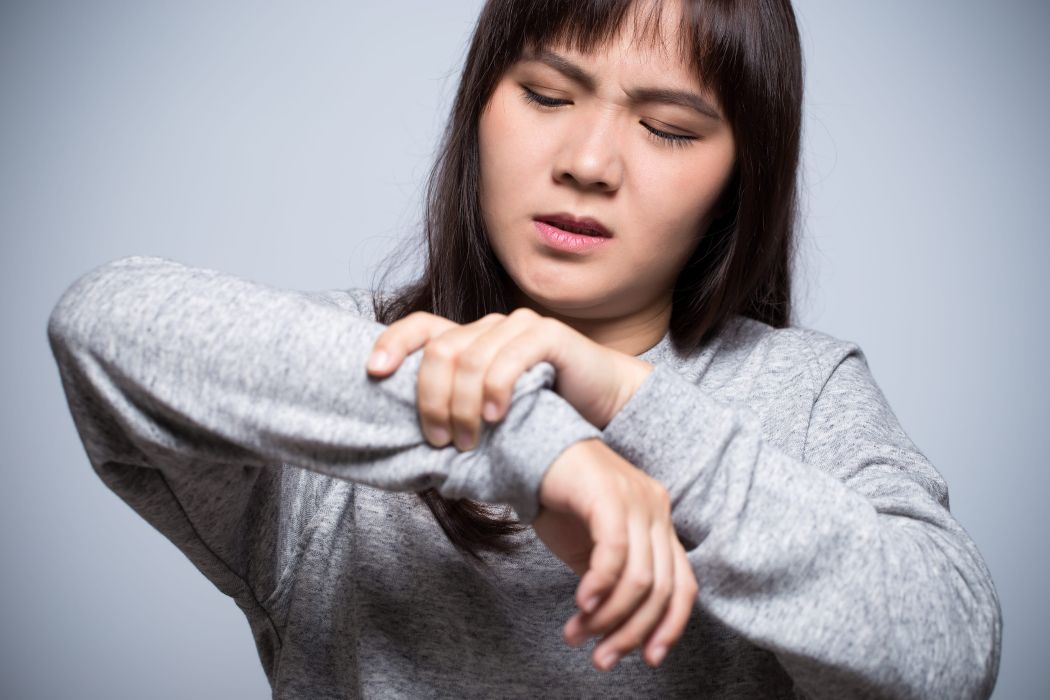
Experts are increasingly recognising a condition known as Musculoskeletal Syndrome of Menopause, or MSM.
According to rheumatology specialists at Whole Health Rheumatology, MSM refers to a collection of symptoms linked to declining oestrogen levels, including joint pain, muscle aches, loss of strength, reduced mobility and overall physical discomfort.[3]
The condition is believed to affect a significant proportion of women during the menopause transition. Yet despite how common it is, many women have never heard of it.
Instead, they are often told they are simply getting older.
That explanation can feel frustrating when symptoms seem to appear suddenly and begin affecting everyday activities, from climbing stairs to carrying groceries or keeping up with energetic children.
When It Might Be More Than Hormones
While hormonal changes can trigger joint pain, local data shows just how widespread this issue is.
According to a Malaysian study co-authored by Dr Premitha Damodaran, Consultant Gynaecologist and Women’s Health Specialist at Pantai Hospital Kuala Lumpur, generalised joint pain is actually the leading menopausal symptom among multi-ethnic working women in Malaysia, affecting 34.6% of those surveyed. The research notes that the prevalence of generalised joint pain increases with age, peaking significantly among women in the 55–60 years age bracket.[4]
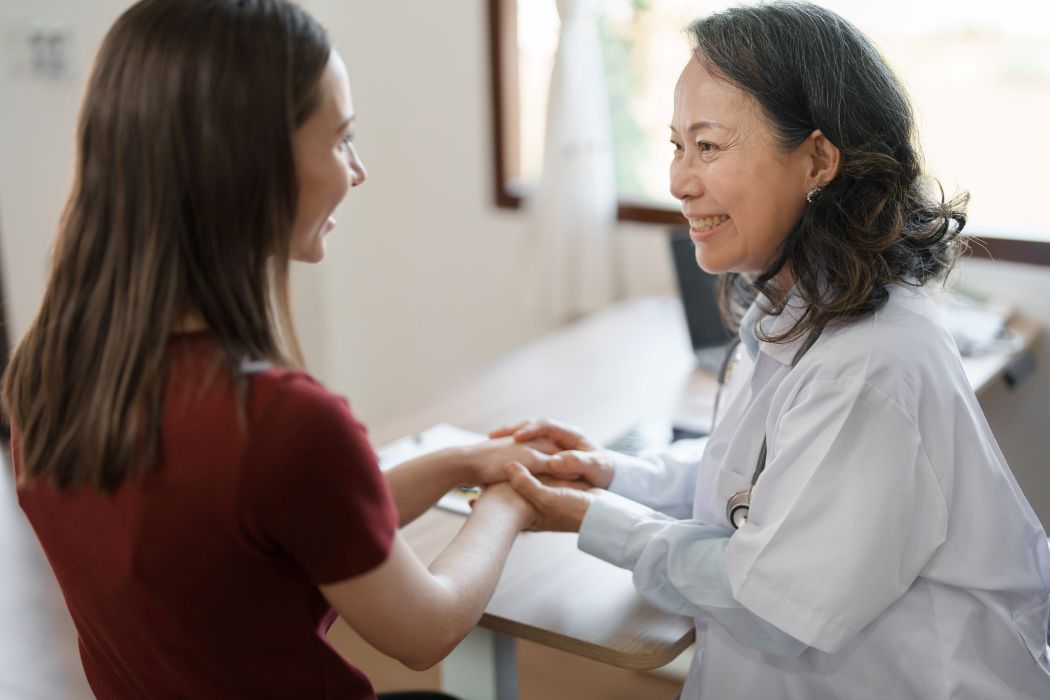
This means persistent symptoms should not automatically be dismissed as “just menopause”. If joint pain is ongoing, affects multiple joints, causes swelling, or interferes with daily life, seeking medical advice is important.
Why Awareness Matters
One of the biggest challenges facing women in midlife is that many menopause symptoms remain under-recognised.
When joint pain impacts how you show up at work or manage your day-to-day routine, it takes a toll that goes far beyond the physical. Dr Premitha Damodaran’s research underscores this reality, revealing that menopause symptoms significantly impact quality of life and workplace productivity among women aged 40 to 60.[5]
Yet, because joint issues aren’t as widely discussed as hot flushes, many women continue to suffer in silence, assuming they are simply losing their edge.
Shining a light on the data highlights a critical need for better support systems. Recognising menopause as a holistic health transition empowers women to seek real solutions rather than just quietly pushing through the discomfort. Joint pain may not be visible, but its impact on your life certainly is.
So, What Can Help?
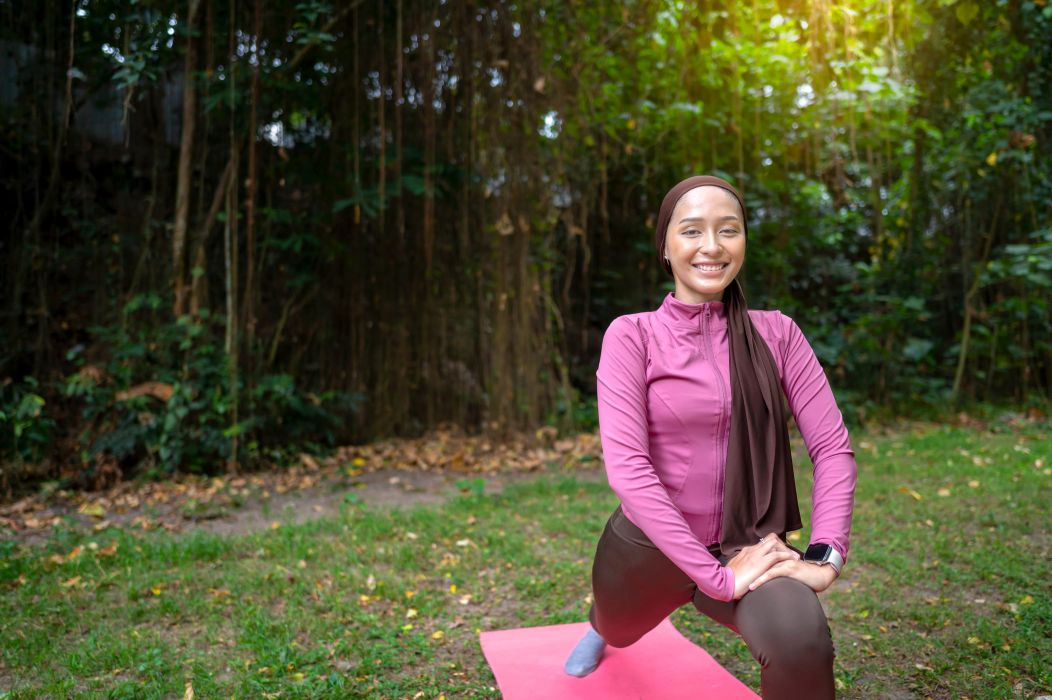
The good news is that there are ways to support joint health during perimenopause. Maintaining muscle strength and staying physically active can help support mobility, flexibility and overall joint function.
Gentle, joint-friendly activities include:
- Walking
- Swimming or water aerobics
- Yoga
- Pilates
- Resistance or strength training
Think of movement as lubrication for your joints. The less you move, the stiffer they often become. Maintaining a healthy weight can also reduce strain on weight-bearing joints such as the knees and hips.
For some women, menopausal hormone therapy may be an option. According to Dr Louise Newson, replacing declining oestrogen levels may help improve certain musculoskeletal symptoms in appropriate patients, although treatment should always be discussed with a healthcare professional.
The Bottom Line
If your knees suddenly seem older than the rest of you, perimenopause could be part of the story.
The menopause transition affects far more than periods and body temperature. Hormonal changes can influence inflammation, muscle strength, joint function and overall mobility in ways many women never expect.
And the sooner women start talking about it, the sooner they can get the support they deserve.