


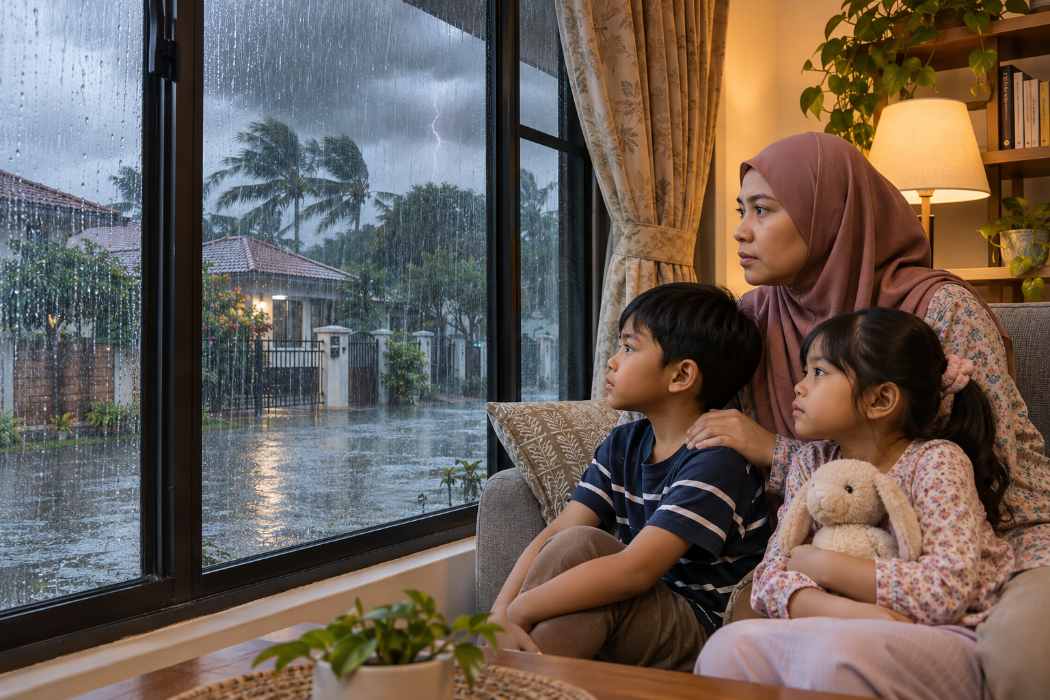


We are all familiar with Malaysia’s unpredictable weather. One minute, the sun is shining and you are feeling hopeful about that rack of freshly washed laundry. By afternoon, dark clouds roll in and you are rushing to bring everything inside. Sometimes, even weekend trips gets called off and long-awaited holiday plans suddenly up in the air. Because during the year-end season, when it rains, it really pours. Beyond wet laundry and disrupted plans, the dangers can be far more serious.
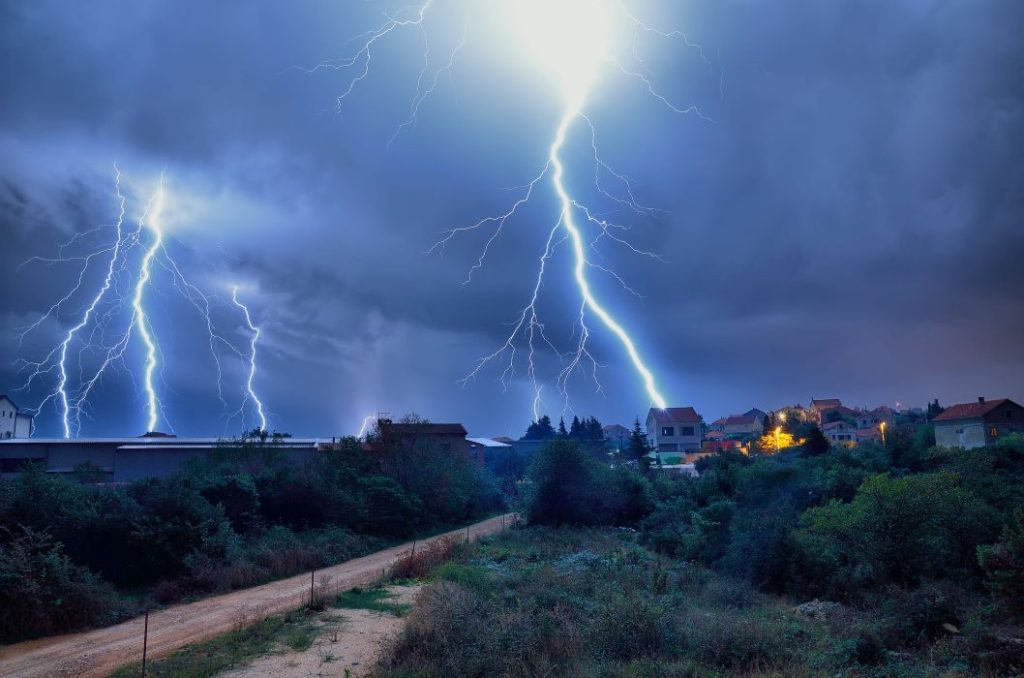
On 9 November 2026, three people aged 16, 18 and 26 died after reportedly being struck by lightning while sheltering under a tree in Bandar Baru Salak Tinggi, Sepang. That same day, eight people were reported swept away during a sudden water surge at Sungai Pertak. A day earlier, a 20-year-old man drowned at a waterfall near Taiping.
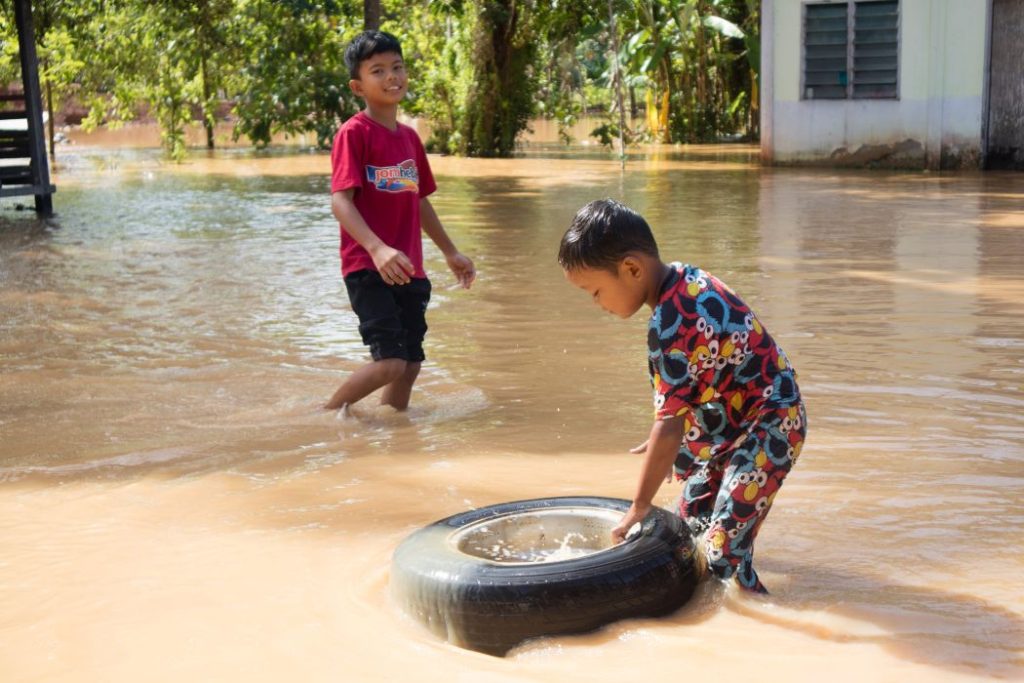
Flooding in states such as Selangor and Perak also affected families, with some in Selangor facing a difficult Deepavali recently, as damaged homes and belongings turned what should have been a joyful celebration into days of cleaning up.
Being used to the rain does not mean we are prepared for its risks. Here are eight precautions to keep in mind.
1. Save the waterfall outing for another day
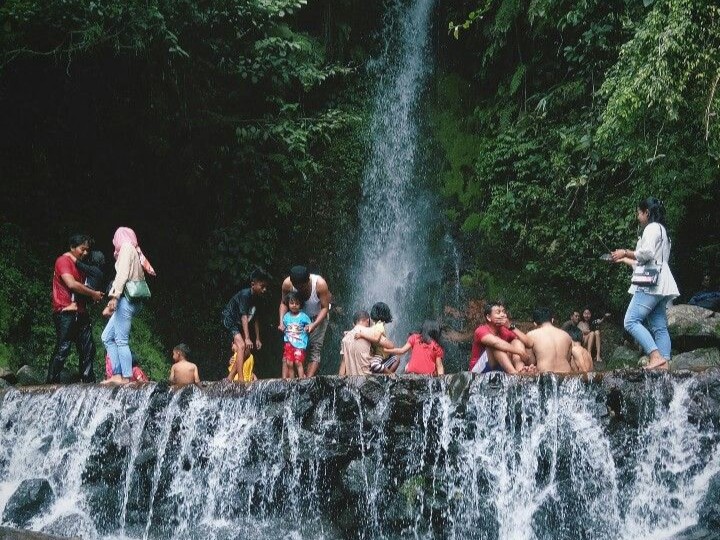
During unsettled weather, postpone swimming, picnicking and camping beside rivers, rapids and waterfalls. The Fire and Rescue Department of Malaysia (JBPM), or Bomba, has advised postponing these activities during the Northeast Monsoon because heavy rain can cause sudden rises in water levels and dangerously strong currents.
Rain falling upstream can also trigger a sudden water surge, or kepala air, even when the weather looks clear where you are. A familiar swimming spot is not necessarily a safe one.
For family outings, consider a museum, indoor play centre or craft workshop instead. If you are booking a holiday, choose accommodation with indoor activities and check its cancellation or rescheduling terms.
2. Know when to leave the river immediately
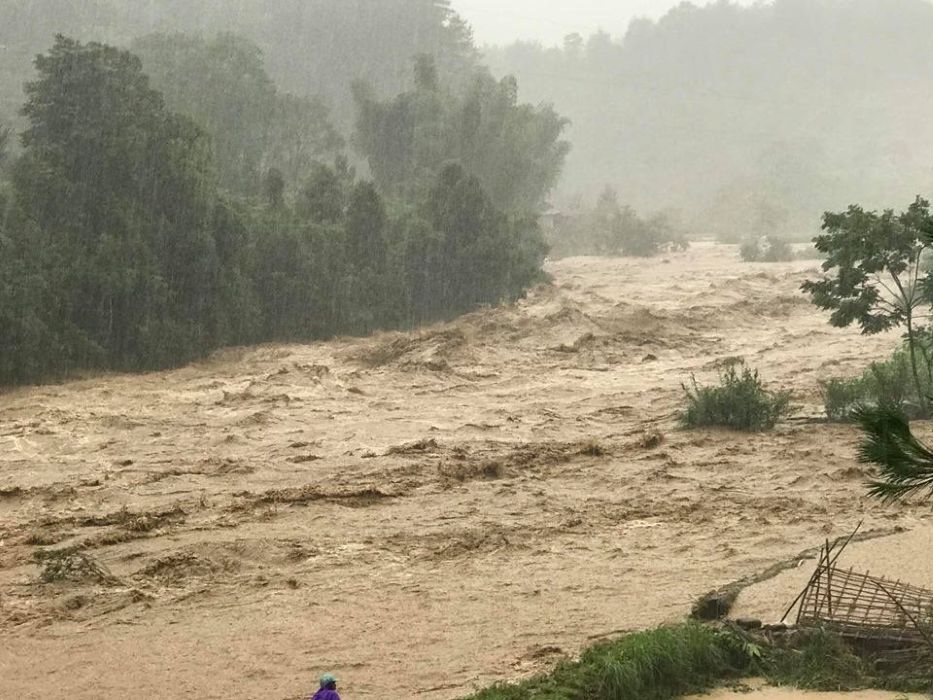
Warning signs of kepala air include water suddenly turning muddy, branches and leaves washing downstream, and a loud roaring sound from upstream. These can indicate that a surge of water and debris is approaching.
Move immediately to safe higher ground away from the river channel. Do not wait to take photographs, pack everything away or see whether the water settles. Never attempt to cross the river to reach your car.
The National Disaster Management Agency (NADMA) highlights warning signs such as a loud roaring sound upstream, river water suddenly turning muddy, and branches and leaves being swept along by the current. If you notice these changes, move immediately to safe higher ground away from the river. However, do not wait for visible signs before taking bad weather seriously. Ultimately, postponing the visit is safer than relying on spotting danger in time.
3. Do not turn rough seas into a sightseeing activity
Skipping a swim does not automatically make a stormy beach visit safe. Strong winds and rough seas can make coastal recreation dangerous too.
The Malaysian Meteorological Department (METMalaysia) warns that winds of 40–50 km/h and/or waves reaching up to 3.5 metres already make conditions dangerous for small boats, water sports and marine recreation. Higher warning categories also indicate danger to beach activities.
Follow local closures and keep children away from the shoreline during rough weather. If your holiday includes island transfers or boat trips, check with the operator before travelling and be prepared to reschedule. A movie afternoon or indoor family activity is a better option than heading down to watch the waves.
4. Make water supervision someone’s specific job
Drowning can happen quickly and quietly. Do not assume a child in trouble will shout or splash loudly enough to attract attention.
In an article on Swimin12’s website, Coach Shakinaz explains that learning to swim should include breathing, floating and gliding skills, alongside understanding how waves, depth and currents differ from a swimming pool. Fellow Swimin12 coach Eric also reminds swimmers never to swim alone or underestimate changing water conditions. Being confident in a pool does not make rough seas or swollen rivers safe.
If someone is struggling, call 999. From a secure position, reach out with a suitable object or throw a flotation aid if possible. Do not jump into dangerous water yourself. The American Red Cross’s “reach or throw, don’t go” advice helps prevent rescuers from becoming casualties too.
5. Hear thunder? Move before the rain gets heavier
If you can hear thunder, lightning is close enough to threaten you. Stop swimming, playground time or outdoor sports and enter a substantial, enclosed building. An enclosed, metal-roofed car with its windows closed is an alternative.
A tree, gazebo or open picnic shelter may keep rain off, but it does not provide safe lightning protection. The United States National Weather Service recommends waiting at least 30 minutes after the last thunder before returning outside.
When indoors, stay away from windows, avoid plugged-in electrical equipment and postpone baths, showers and washing dishes because lightning can travel through wiring and plumbing. Its lightning safety guidance is available here.
Keep books, colouring materials or a simple game handy so children have something to do while waiting safely.
6. Check what is above and beside your parking spot
Avoid parking beneath trees, beside power lines or near structures that could fall or blow over. Strong winds can bring down branches and send loose objects flying. A car’s lightning protection does not make it safe from falling debris.
Be cautious around slopes after prolonged rain. New cracks in the ground, trees or poles that have started leaning, and retaining walls that have shifted can indicate instability. Malaysia’s National Security Council (MKN) lists these in its landslide warning signs.
Keep away from affected areas and report concerns to the authorities. Choose another parking location, preferably an indoor parking space or postpone the stop rather than leaving the family beside a worrying slope.
7. Do not drive or play in floodwater
You cannot judge a flooded road’s safety by watching another vehicle cross. Floodwater can sweep vehicles away, while submerged hazards may be impossible to see. Turn back, obey barricades and delay the journey if no safe route is available.
Children should stay out of both moving and stagnant floodwater. It can contain sewage, sharp debris and other hazards, and even shallow water can be dangerous for young children. If they have contact with it, wash exposed skin with soap and clean water when safely possible.
Let the school, workplace or accommodation know you are delayed. Keeping an appointment is never a reason to attempt a flooded crossing.
8. Prepare for disrupted plans, not just disrupted weather
Check weather warnings through METMalaysia’s myCuaca app and monitor the Department of Irrigation and Drainage Malaysia’s Public InfoBanjir portal for flood information. Check conditions along your route and at your destination too.
Prepare an emergency bag with drinking water, non-perishable food, medicines, a torch, spare clothes, a power bank and important documents in waterproof packaging. Add nappies and feeding essentials if needed.
Agree on who will collect the children if roads become inaccessible, and share emergency contacts with caregivers. Follow evacuation instructions promptly rather than waiting for water to enter your home. UNICEF Malaysia’s preparedness advice also recommends discussing an evacuation plan with the family beforehand.
We may be used to Malaysia’s sudden downpours, but familiarity should never make us careless. Check the forecast, take warnings seriously and be willing to change plans, even when the children protest or you have already travelled far. There will be other days for that picnic, swim or family outing
For now, being safe is the priority.