







Ms. Mun Weng Yan, TCM Practitioner, Sunway TCM
Herbal tonic soups are a familiar part of traditional Chinese confinement practices, intended to support a mother’s recovery after childbirth. Yet not every mother responds to the same herbs in the same way. Some may wonder whether they should follow a traditional herbal nourishment plan strictly or adapt it to their individual needs. Let’s explore some common postpartum concerns that deserve closer attention.
1. Does every mother need to follow the same herbal nourishment plan during confinement month?
After childbirth, a mother’s body goes through blood loss and the risk of developing blood clots is higher, particularly in the first 2 weeks as the body adapts to protect against excessive bleeding. This condition parallels with Traditional Chinese Medicine (TCM) understanding that postpartum mothers are prone to both “deficiency and stasis” (多虚多瘀). Therefore, herbal nourishment plan in TCM commonly follows a staged recovery approach with herbal tonic soups tailored to different phases of recovery throughout the confinement period. Each phase typically lasts about one week.
- Week 1- Clearing phase (排): To remove blood stasis, reduce swelling and promotes the discharge of lochia, which is a discharge of blood and mucus from the placenta site.
- Week 2- Reconditioning phase (调): To regulate digestive function and absorption, promotes wound healing, calming the mind to relieve the physical and emotional stress due to the hormonal changes.
- Week 3- Replenishing phase (补): To strengthen the muscles and joints, replenishing the Qi and Blood to regain the overall vitality, relieving the postpartum symptoms such as weakness on lower back, joints and cold limbs.
- Week 4- Nourishing and maintenance phase (固、养): To enhance and consolidate the tonifying effect to manage postpartum fatigue, forming the foundation for steady and quality supply of breastmilk.
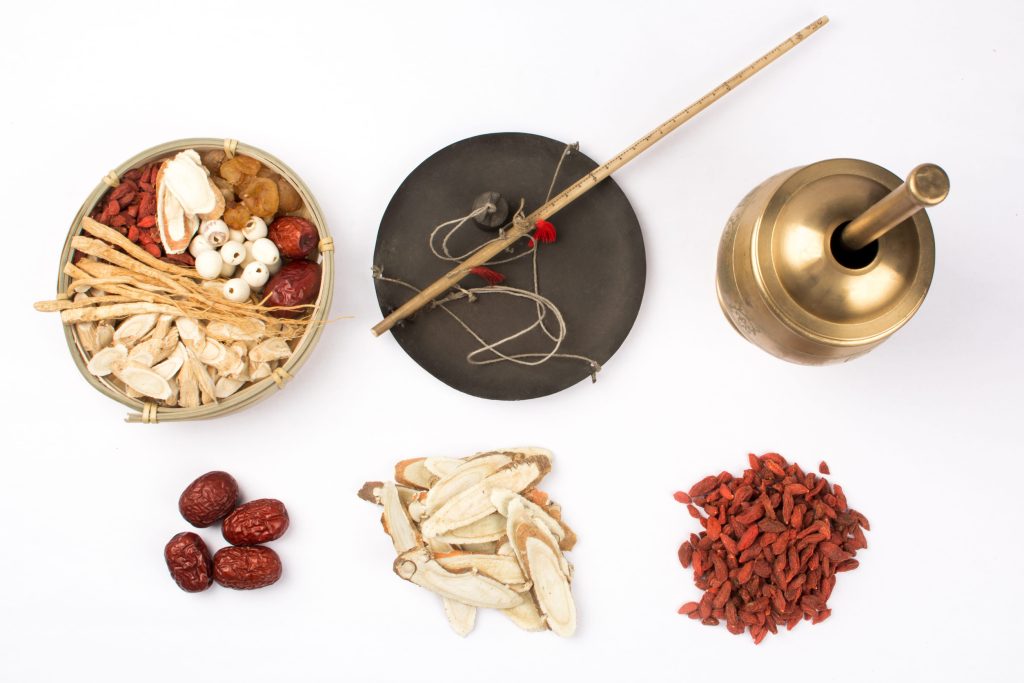
While most confinement plans follow similar recovery principles, not every mother needs the same herbs throughout the month. As each mother’s body constitution, dietary habits and recovery experience are different, some may develop symptoms commonly described as “heaty”, such as sore throat, mouth ulcers or constipation. In such cases, dietary recommendations or herbal formulations may be adjusted to better suit the individual’s needs and ensure a more comfortable recovery. For example, mothers who find the red dates tea too warming may consider alternatives such as goji berry tea.
2. Should mothers who undergo a caesarean section (C-section) delivery follow the same herbal nourishment plan as those who have a vaginal birth?
“Sheng Hua Tang” (生化汤) is a traditional postpartum herbal formula commonly used during the first week of “Clearing phase” to support uterine recovery and lochia discharge. However, it may not be suitable for every mother. Following a C-section, some mothers may be prescribed blood thinners to reduce the risk of blood clots. As the safety of combining Sheng Hua Tang with these medications may depend on the formula’s composition, dosage and duration of use, mothers who take blood thinners should consult their primary doctor and a qualified TCM practitioner before use.
Similarly, mothers who undergone vaginal birth but experience complications or concerning symptoms such as suspected infection, persistent headache, diarrhea or dizziness, should seek medical advice before consuming this herbal formula. In TCM practice, Sheng Hua Tang is generally not intended for prolonged use throughout the confinement period, its duration should be individualized, as extended use may not be appropriate for every mother’s recovery.
3. Are herbal tonic soups suitable for mothers with a history of gestational diabetes mellitus (GDM) or hypertension?
Generally, mothers with a history of GDM or hypertension may still enjoy herbal tonic soups, but the ingredients and dosage of the herbal tonic soups may need adjustment.
For mothers with a history of GDM: Limit added sugar and moderate use of naturally sweet ingredients, such as red dates and dried longan. Less –sweet alternatives, such as unsweetened goji berry tea, rice tea or black bean tea, may be considered depending on the mother’s blood glucose levels and overall diet. A 2022 systematic review found that women in South Asia and Southeast Asia with history of GDM had approximately 13 times the risk of developing type 2 diabetes compared with women without such history, highlighting the importance of postpartum blood glucose screening and long term healthy dietary habits.
For mothers with a history of hypertension: Choose soups and dishes prepared with less salt and minimize high-sodium seasonings. Adequate hydration is important, particularly for breastfeeding mothers. Although individual fluid needs vary, around 2 litres daily may serve as a general guide. Continue monitoring blood pressure after childbirth. Severe or persistent headaches, visual disturbances or sudden swelling on lower limbs require immediate medical assessment as these may signal postpartum complications.

Looking Beyond Tradition
Postpartum recovery is not a race, nor does it follow a one-size –fits-all plan. Rather than rushing into intensive nourishment within the first month after childbirth, mothers deserve the time, care and nutritional support they need to recover at their own pace, even beyond the traditional confinement period. While symptoms such as hair loss, fatigue, and brain fog can occur after childbirth, they should not automatically be attributed to postpartum depletion or left unaddressed.
Besides, TCM recognizes that health and recovery are influenced by individual constitution, climatic and seasonal conditions and the surrounding environment. As society, lifestyles and healthcare knowledge evolve, confinement practices can also adapt, allowing traditional wisdom to remain relevant to the needs of modern mothers.
Support the mother, not just the tradition. Listen to your body, honour its changing needs, and seek professional advice when needed.