



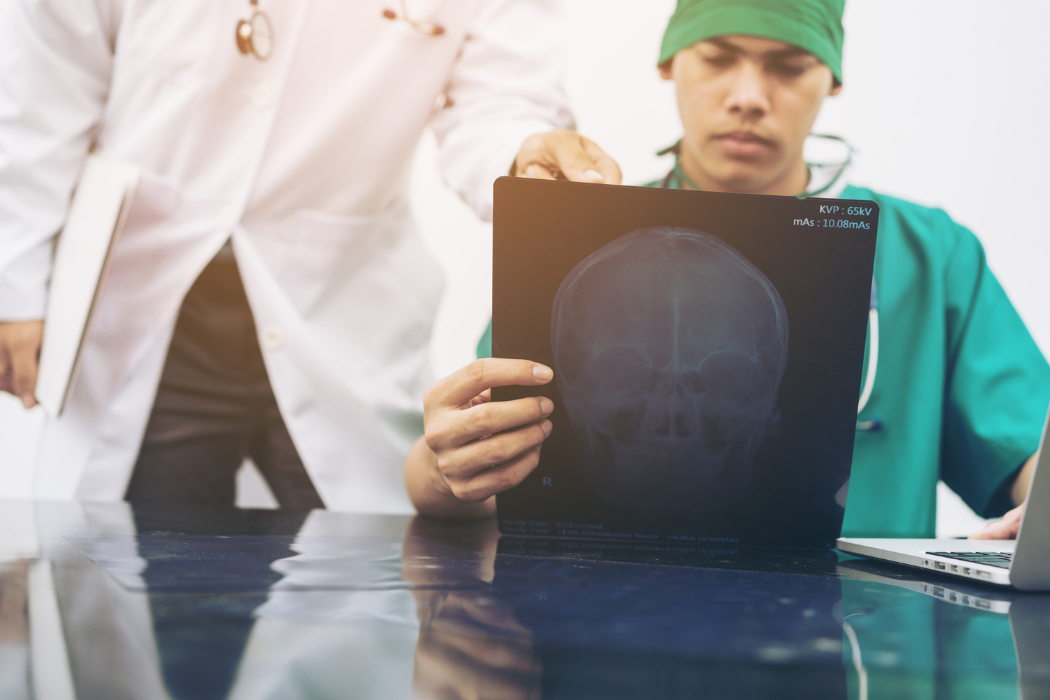


In the midst of life’s busiest and most vibrant years, whether you are diving into a new career, pursuing higher education, or building meaningful relationships, the last thing on your mind is a serious health diagnosis.
For many, the first signs are subtle and can easily be mistaken for stress or the demands of a hectic lifestyle. Young adulthood is typically a time of laying the foundation for the future. Yet, for those diagnosed with a brain tumour, these plans can be abruptly interrupted.
Unveiling the statistics
According to a study by the National Brain Tumor Society conducted in the United States, about 14.3 per cent of all primary brain tumours occur in the adolescent and young adult population. Overall, brain tumours are the second most common cancer in individuals aged 15 to 39 and the second leading cause of cancer-related death in those between 15 and 39 years of age.
The most common primary brain tumours in adolescents and young adults are pituitary tumours, meningiomas, nerve sheath tumours, and gliomas. Gliomas account for 25 per cent of all primary brain tumours in this age group and represent 82 per cent of all malignant tumours within this population.
Key factors behind brain tumours in the young
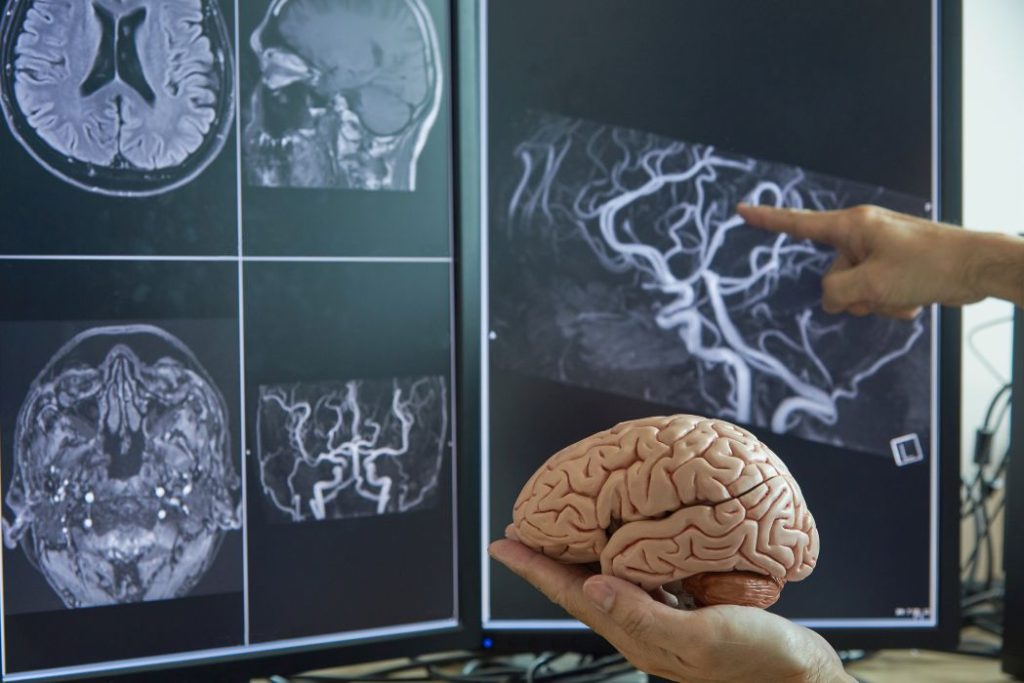
Researchers have found that female adolescents and young adults have a higher susceptibility to develop certain tumours, such as pituitary adenomas, which are more prevalent in females aged 15 to 39. Conversely, males show a higher incidence of malignant central nervous system tumours.
Currently, little is known about the definitive risk factors for central nervous system tumours. The primary established environmental risk factor is exposure to therapeutic doses of ionising radiation to the head and neck. For example, this can happen to individuals undergoing radiation therapy for cancers in these areas. Even certain medical professionals, like radiologists or radiation therapists, might be exposed to higher levels of radiation if proper safety measures are not followed.
Additionally, some studies have pinpointed specific genetic factors, syndromes (such as neurofibromatosis, Li-Fraumeni syndrome, tuberous sclerosis, and von Hippel-Lindau disease), and environmental exposures as potential contributors to tumour development. Examples of environmental exposures include prolonged exposure to pesticides, industrial chemicals, or heavy metals.
Untold challenges and telltale signs of brain tumours

Dr Daniel Rajesh
According to Consultant Neurosurgeon from Columbia Asia Hospital – Bukit Rimau, Dr. Daniel Rajesh, brain tumours in adolescents and young adults often pose diagnostic challenges due to their diverse presentations. Usually, these tumours are diagnosed late, after a prolonged period of unusual conduct being misattributed to behavioural or psychiatric symptoms, such as frontal lobe syndrome.
“As young adults leave home, they may not prioritise regular healthcare and may hesitate to discuss symptoms. You know how it is—you are busy with work, school, or just enjoying your independence. Regular check-ups might not be on your radar. Plus, alcohol and drug use could also delay diagnosis,” says Dr. Daniel.
“Common symptoms of brain tumours include behavioural changes, persistent or severe headaches, epileptic seizures, focal deficits (such as weakness or sensory loss in specific areas of the body), gait disturbances (problems with talking or balance), and neurocognitive changes, including difficulties with memory, concentration, and other cognitive functions,” Dr. Daniel adds.
Catching brain tumours early
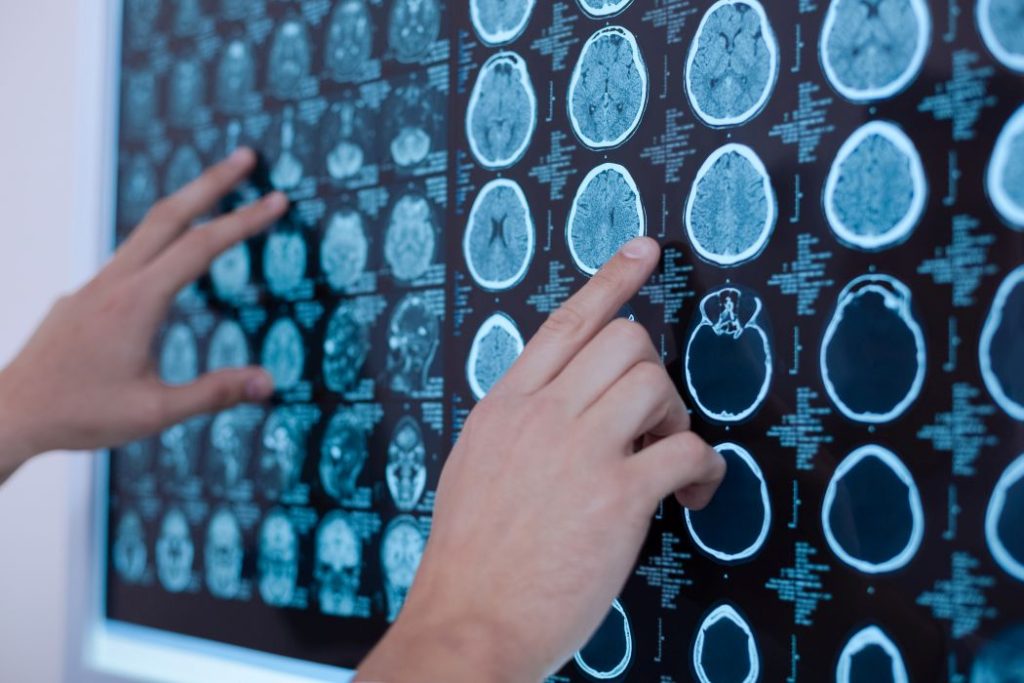
“In adolescents and young adults, who are going through a phase of transition, brain tumours generally have a better prognosis compared to older adults. So, it is important to focus on early detection and survivorship care for these patients. It is about catching it early and providing the right support so they can get back to their lives and dreams.
“For diagnosing brain tumours in young adults, we typically start with a detailed medical history and a thorough neurological exam, including a fundus examination, where we look into the back of the eye to check for any signs of pressure or other issues. We also use various imaging studies like CT scans, MRI, and others such as MRA, MRV, MRS, functional MRI, and angiograms,” Dr. Daniel says.
Brain tumours and endocrine dysfunction

Brain tumours in adolescents and young adults can significantly interfere with pubescent growth and hormone regulation. Dr. Daniel points out that when a brain tumour compresses the pituitary gland, which is responsible for hormone production, it can result in endocrine dysfunction.
The following are endocrine symptoms specific to the type of hormone affected:
| Hormone | Excess Symptoms | Deficiency Symptoms |
| Cortisol Hormone | Weight gain, thinning of legs and arms, diabetes, hypertension, depression, anxiety | Fatigue, hypotension, poor appetite, nausea |
| Growth Hormone | Gigantism before puberty; acromegaly features like enlarged hands and feet after puberty | Fatigue, loss of muscle mass |
| Prolactin Hormone | Irregular or absent periods in women, breast milk production in women who are not nursing, infertility or erectile dysfunction in men | Typically no symptoms |
| Thyroid Hormone | Weight loss, rapid or irregular heartbeat, sweating, irritability | Weight gain, appetite loss, fatigue |
| Testosterone/Estrogen | Typically no symptoms | Infertility, loss of body or facial hair in men |
Cutting-edge treatment options
“Typically, we start with surgery to remove as much of the tumour as safely possible, especially for tumours like pilocytic astrocytoma, where complete removal can be curative. If surgery is not an option or if there are remaining tumour cells, we may use radiation therapy to target those cells,” Dr. Daniel shares.
Other than that, chemotherapy is frequently used in combination with radiation therapy and as maintenance therapy, though it is not typically curative on its own. Immunotherapy is an emerging field with promising potential, particularly for challenging tumours like glioblastoma multiforme. Lastly, targeted therapy is being increasingly used for tumours with specific genetic mutations, such as IDH1 mutant tumours.
Potential aftermath of brain tumour treatments
In addition to the common side effects of brain surgery, radiation, and chemotherapy, young adults with brain tumours face specific challenges. These include potential infertility, the need for hormone replacement therapy if the tumour affects the pituitary gland, and a higher risk of developing other cancers later in life.
“Chemotherapy can significantly impact fertility by affecting sperm production in men and depleting ovarian eggs in women. It is so important to think about preserving fertility if you are going through this. Additionally, patients may experience hormonal issues involving the hypothalamus and pituitary gland due to tumour involvement, surgery, or radiotherapy, as well as ovarian exposure during cerebrospinal irradiation,” says Dr. Daniel.
7 TIPS TO REDUCE THE RISK OF BRAIN TUMOUR

It is not possible to eliminate all risk factors for brain cancer. However, the Centers for Disease Control and Prevention (CDC) recommend several tips to lower cancer risk, including:
- Getting regular check-ups.
- Avoiding or reducing exposure to toxins at work by wearing a mask.
- Minimising exposure to ionising radiation at work by using protective gear.
- Taking steps to minimise exposure to conditions like HIV.
- Getting the human papillomavirus vaccine to reduce the risk of cervical cancer.
- Maintaining regular exercise and eating a nutritious, balanced diet.
- Avoiding smoking or quitting if currently smoking.