




From weekend games to competitive football, hamstring injuries can affect everyday athletes and recreational players in ways that may need assessment, imaging or specialist care.

Dr Aminudin Mohamed Shamsudin, Consultant Orthopaedic, Trauma and Sports Surgeon at Sunway Medical Centre Velocity (SMCV)
As the 2026 FIFA World Cup season unfolds across the global football stage, many athletes and recreational players are returning to the pitch and placing their bodies under the repeated stress of sprinting, sudden stops, and powerful kicks. While football continues to be one of the most widely played and followed sports in Malaysia, the physical demands of the game can increase the risk of injury, especially for those returning to high-intensity activity without consistent conditioning.
Among football-related injuries, knee and ankle problems often come to mind first because they can immediately affect an athlete’s movement on the pitch. However, the hamstring is also one of the most vulnerable areas in the sport, as it plays a key role in supporting speed, control, and stability during the game. Recent attention on national footballer Arif Aiman’s hamstring injury and subsequent surgery shows that even trained athletes can be affected.
This is also reflected in cases seen by Dr Aminudin Mohamed Shamsudin, Consultant Orthopaedic, Trauma and Sports Surgeon at Sunway Medical Centre Velocity (SMCV), who notes that hamstring injuries affect an estimated 10% to 30% of sportsmen and account for almost 35% of all-cause muscle injuries among professional athletes.
Understanding Hamstring Injuries Beyond the Usual “Pull”
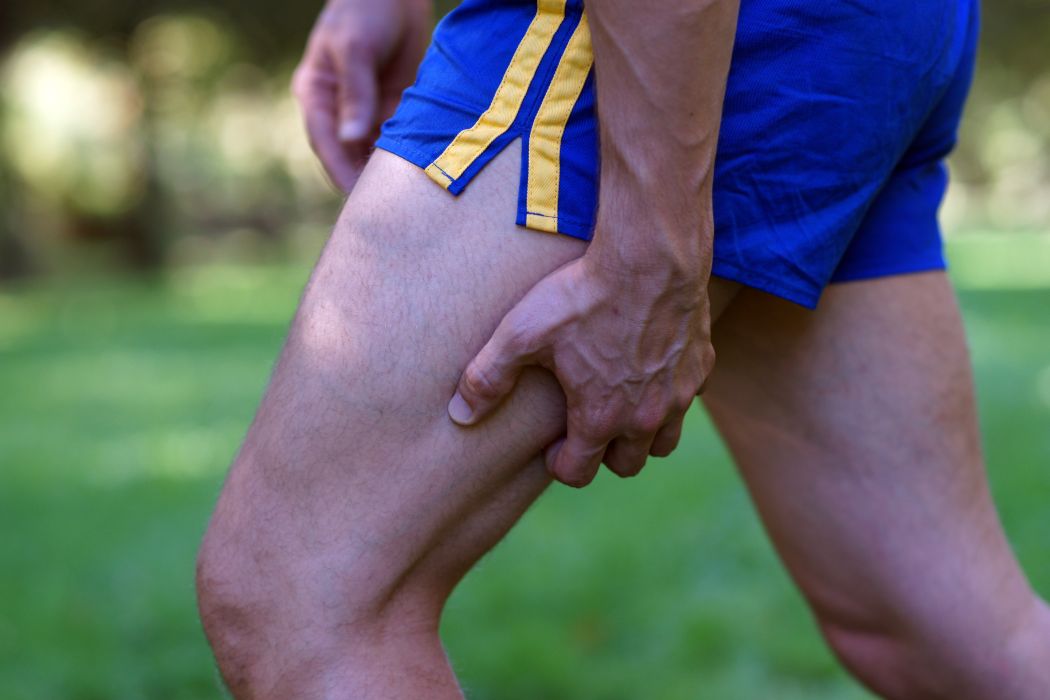
To understand why the hamstring is so frequently affected, this is because it helps to look at how the muscles function during sport. The hamstrings are a group of three muscles located at the back of the thigh, running from the hip to just below the knee. They help bend the knee, extend the hip and control leg movement, particularly during explosive activity. Dr Aminudin describes them as the body’s main brakes and accelerators during sport, as they help absorb force, control movement and generate power.
“When these muscles are placed under extreme stress, the muscle fibres can stretch beyond their limit, causing them to strain, partially tear or, in severe cases, completely detach from the bone.” Dr Aminudin Mohamed Shamsudin, Consultant Orthopaedic, Trauma and Sports Surgeon at Sunway Medical Centre Velocity (SMCV)
Hamstring injuries generally range from mild to moderate or severe, adds Dr Aminudin. Mild injuries may involve disruption of some muscle fibres, with short-lived pain and disability, and return to play typically taking around four to six weeks. Moderate injuries may involve a larger muscle tear, with more noticeable bruising and sometimes a palpable tender lump, extending recovery to around three to four months. Severe injuries, however, can present with significant pain, noticeable loss of function and a longer period away from sport. In some cases, the hamstring tendon may pull away from the bone, known as an avulsion injury, which requires surgical repair.
This variation in severity is why hamstring injuries should not be treated as a single type of injury, even when they begin with similar pain or tightness. Some may improve with rest and rehabilitation, while others may involve a deeper tear, tendon retraction or avulsion injury that requires imaging, specialist review and a structured recovery plan.
When Young Athletes Are Affected: The Paediatric Perspective

Dr Maria Shelynn Wong, Consultant Orthopaedic, Trauma and Paediatric Orthopaedic Surgeon at (SMCV)
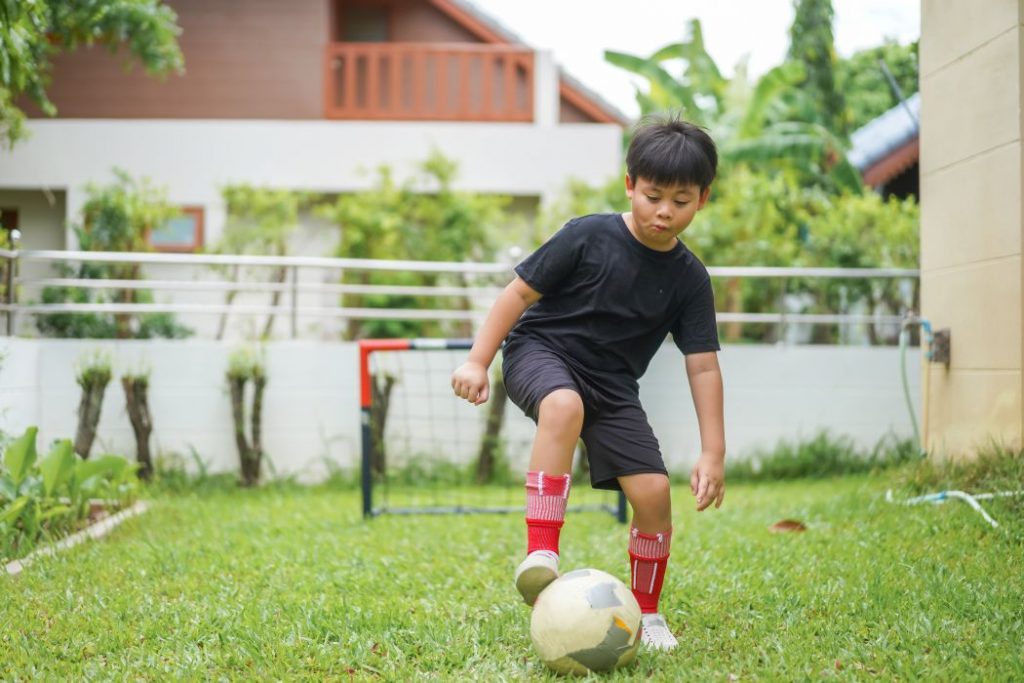
While hamstring injuries are often discussed in the context of adult athletes, children and adolescents who are training to be athletes, play football, futsal and other field sports may also be affected, and the injury they sustain may be different from a typical adult muscle strain. According to Dr Maria Shelynn Wong, Consultant Orthopaedic, Trauma and Paediatric Orthopaedic Surgeon at (SMCV), young athletes may experience hamstring-related injuries differently because their bones are still growing. This is especially important around the ages of 13 to 15, when the “sit bone” at the bottom of the pelvis, where the hamstring tendons attach, is still hardening into mature bone. At this stage, the growth plate may be weaker than the surrounding tendons and ligaments, making it more vulnerable to injury during sudden, forceful movement.
In some cases, a sudden strong pull from the hamstring may injure the growth plate instead of tearing the muscle itself. This can cause a small piece of bone to be pulled away from the pelvis, an injury known medically as an apophyseal avulsion fracture. Although this type of injury is rare, representing only 1.4% to 4% of all hamstring injuries, Dr Maria notes that it is important to recognise because it requires a different assessment approach. These injuries usually occur between puberty and late adolescence, before complete fusion of the growth plate, and are more likely in adolescent or teenage athletes involved in sports that require sudden forceful movement and strong hamstring loading.
Since the injury may not appear serious at first, young athletes may continue powering through the pain, while parents and coaches may assume it is part of normal sport. However, symptoms that persist or affect movement should not be dismissed.
“Warning signs include a sudden popping or tearing sensation in the buttock or back of the thigh, localised pain and swelling over the sit bone, difficulty walking or straightening the knee, or numbness and tingling down the leg.” – Dr Maria Shelynn Wong, Consultant Orthopaedic, Trauma and Paediatric Orthopaedic Surgeon at (SMCV).
As these signs may point to a serious injury, imaging becomes important to confirm whether there is a fracture. X-rays can help identify bony injuries at the growth plate, while CT or MRI may be needed for further assessment. From there, doctors can determine the most appropriate recovery plan based on how much the bone has shifted, and the patient’s age and their level of activity. In most cases, the injury can be managed conservatively with rest and physiotherapy, while surgery is usually reserved for significant fracture displacement or high-level athletes.
When Rest Is Not Enough
Surgery becomes part of the discussion when a hamstring injury involves structural damage that may not heal well on its own. This may include a complete tear where the muscle or tendon has pulled away from its normal position, or an avulsion injury where the tendon has pulled away from the bone. In these situations, the concern is not only pain relief, but whether the injured structure can regain enough length, strength and stability for safe movement.
In cases of severe hamstring injuries, surgery aims to restore muscular length and biomechanical efficiency, says Dr Aminudin. For avulsion injuries, it may also be needed to reattach the affected tendon or bone. While the treatment pathway may differ between professional athletes and recreational players depending on the level of activity they need to return to, the goal remains to support healing, restore function and reduce the risk of reinjury.
Dr Aminudin further adds that even when surgery is required, it is only one part of the full recovery journey.
“Surgery repairs the mechanical structure, but it does not automatically restore function. Recovery still requires pain and swelling management, followed by progressive hamstring conditioning and strengthening, so the tissue can safely withstand future game-related stresses.” – Dr Aminudin
Returning Safely, Not Quickly
Once the right treatment approach has been identified, recovery should focus not only on reducing pain, but also on restoring the strength, flexibility and control needed for sport. A proper rehabilitation plan usually includes restoring range of motion, rebuilding hamstring and glute strength, improving core and pelvic control, and gradually reintroducing sport-specific movements based on the severity of the injury and the patient’s progress.
This gradual approach is important as being pain-free does not always mean the muscle is ready for football, futsal or running again. Dr Aminudin says pain can disappear before the hamstring has regained full strength, flexibility and power output, increasing the risk of reinjury if an athlete or recreational sports player returns too soon. This is especially relevant for recreational players who may not train consistently but return to high-intensity matches before the hamstring is ready to withstand sudden bursts of movement again.
The same caution applies to young athletes returning to school sport or academy training, as being cleared by a parent or coach is not the same as being medically ready to return. Dr Maria notes that for paediatric hamstring and growth plate-related injuries, recovery may take around three to six months, depending on injury severity, treatment type and progress with physiotherapy. Whether the patient is a professional athlete, recreational player or school-age footballer, return to sport should be guided by proper assessment, progressive conditioning and medical advice rather than pressure to resume quickly.
Ultimately, hamstring injuries should not be treated casually when symptoms are severe, persistent or recurring. What begins as a pull during play may involve a more serious tear or, in younger athletes, a growth plate injury that requires different assessment and care. Timely diagnosis, imaging where needed, specialist orthopaedic input and structured rehabilitation can help patients recover more safely and reduce the risk of reinjury, allowing athletes at every level to return to sport with greater confidence and readiness.