


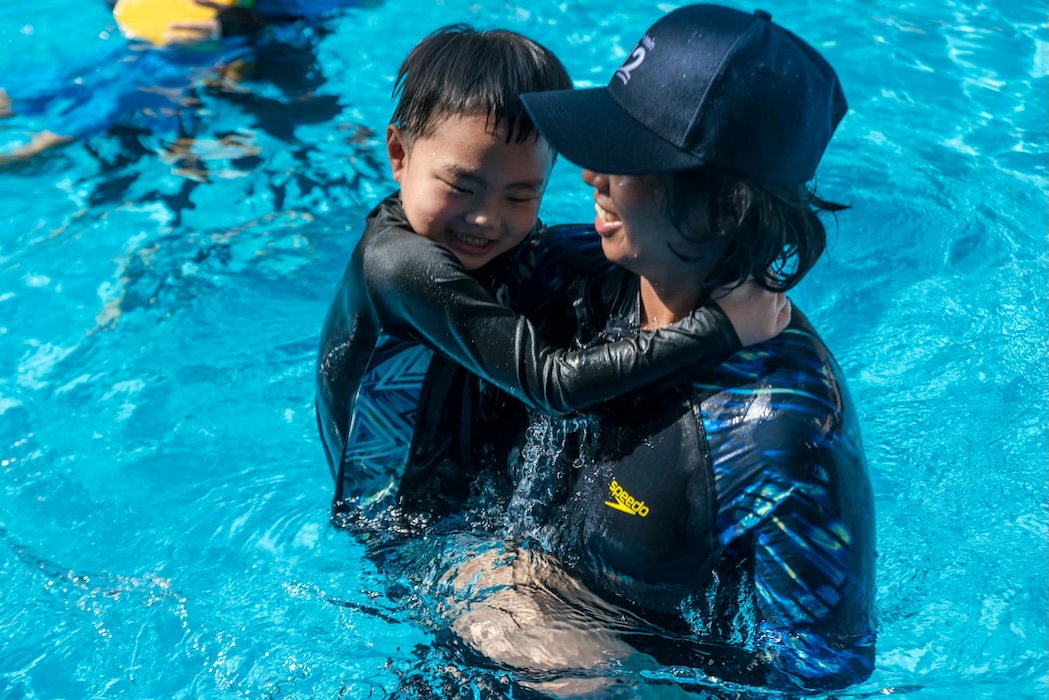


For one child, progress in the swimming pool might mean touching their nose to the water for two seconds. For another, it could be wearing goggles for nearly a minute. For someone else, it may be taking a few steps through the pool without holding onto their coach.
These achievements may seem small to an outsider. But for a child who finds water, unfamiliar sensations or new environments challenging, each one can represent a big step towards feeling safe, confident and independent.
Every child experiences water differently, and learning to swim should reflect that. Inclusive swim coaching starts by understanding what a child is comfortable with today, then building their confidence and skills at a pace that works for them.
Why Swimming Progress Looks Different for Every Child
Parents often associate swimming progress with learning new strokes, swimming longer distances or moving up a level.
But for children with different learning, developmental, sensory or physical needs, there may be other milestones to work towards first.
Some children need time to feel comfortable entering the pool. Others may find splashes overwhelming, struggle with unfamiliar instructions or need a consistent routine before they can participate confidently.
At Swimin12, the Inclusive Programme provides one-to-one swimming lessons adapted to each learner’s abilities, comfort level and individual needs.
Established in 2009, Swimin12 has taught more than 12,000 swimmers. Its inclusive approach recognises that progress should be measured against a child’s own starting point, rather than how quickly they can keep up with others.
Understanding the Child Before Teaching the Skill
Before a child begins swimming lessons, coaches need to understand more than their current swimming ability.
At Swimin12, the process begins with a conversation with parents or caregivers about the learner’s communication style, sensory preferences, abilities and potential triggers.
The first lesson includes an in-water assessment, where the coach observes how the learner responds to the pool environment while gradually building trust and familiarity.These observations help shape an individual Graduated Approach Plan (GAP), which guides how lessons are structured and paced.
The programme also follows a 12-Level Mastery framework, recognising progress across different stages of swimming development.
For learners who need additional support with emotional regulation, coordination, motor development or swimming readiness, Swimin12 offers its Sensory-Motor Development Support Programme.
Conducted in a studio rather than a swimming pool, the programme uses land-based activities to help learners develop essential skills and prepare them for swimming. This additional support allows learners to build their confidence and readiness at a pace that suits their individual needs.
Jaelyn’s Story: When Two Seconds Become a Big Achievement
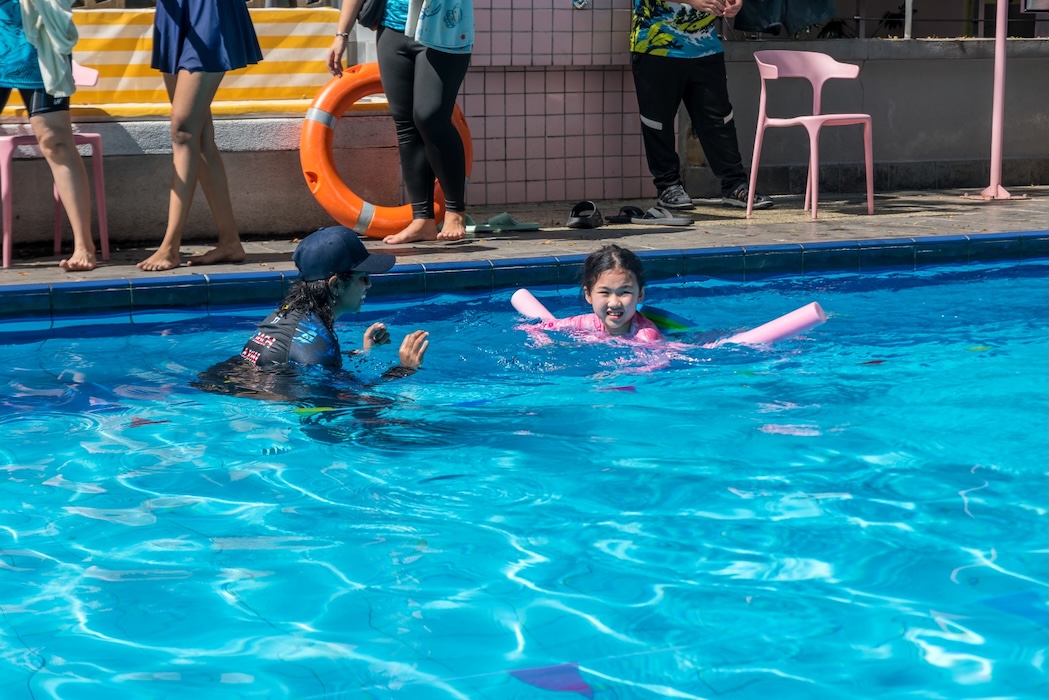
For nine-year-old Jaelyn, who has autism, swimming initially came with anxiety.
Certain water activities made her uncomfortable, and she needed frequent reassurance and encouragement to participate.
Her coach gradually introduced structured activities, from getting used to wearing goggles and practising kicks with flotation equipment to slowly becoming more comfortable putting her face near the water.
With repetition, encouragement and time, Jaelyn achieved an important milestone: touching her nose to the water independently for two seconds.
She also became more comfortable participating in swimming activities and practising her kicking skills.
Her parents were pleased with her progress and eventually increased her sessions from once to twice a week.
For Jaelyn, those two seconds reflected the confidence and trust she had developed along the way.
Wybert’s Story: From Fear of Water to Finding Joy in the Pool
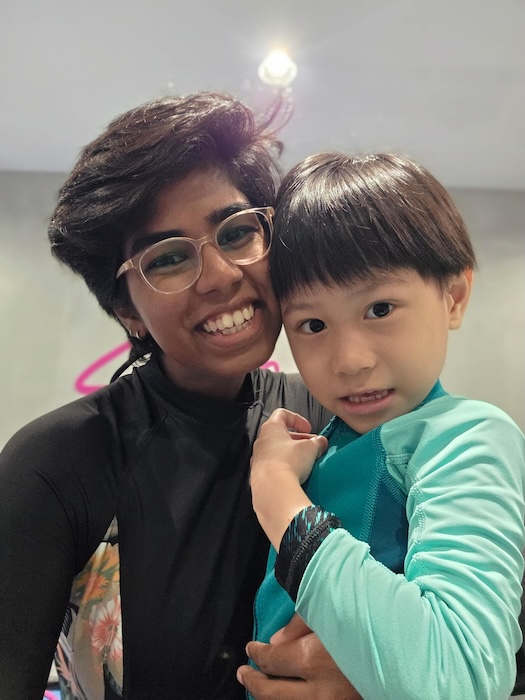
Six-year-old Wybert’s swimming journey began with a significant fear of water.
Even everyday water exposure was difficult, and entering the pool required reassurance and patience.
His coach began with small, gradual activities, introducing water to his hands and legs before progressing to his body and face.
Over time, Wybert practised walking through the pool, tolerating splashes, wearing goggles and performing simple kicking exercises.
One of his biggest achievements was progressing from holding onto his coach to walking independently through the pool.
He also became comfortable enough to wear goggles for approximately 50 seconds.
Today, Wybert is beginning to enjoy being in the water, something that once felt frightening to him.
His experience is a reminder that swimming progress can begin with something as simple as feeling happy and comfortable in the pool.
What Should Parents Look for in an Inclusive Swimming Programme?
Every learner has different needs, which means an effective inclusive swimming programme should have room for flexibility.
Some important features parents can look for include:
- One-to-one coaching: Individual attention allows lessons to be adapted to the learner’s needs and responses.
- A calm, structured environment: Reduced distractions and familiar routines can help learners feel more comfortable.
- Clear communication: Simple verbal instructions, visual cues and repetition can make activities easier to understand.
- Flexible pacing: Children should have time to become comfortable with each skill before progressing.
- Recognition of small milestones: Confidence, participation and independence are important signs of development too.
At Swimin12, these principles form part of its Inclusive Programme, with coaches trained under the Swimin12 Coaches Certification Programme, which includes special-needs swim methodology.
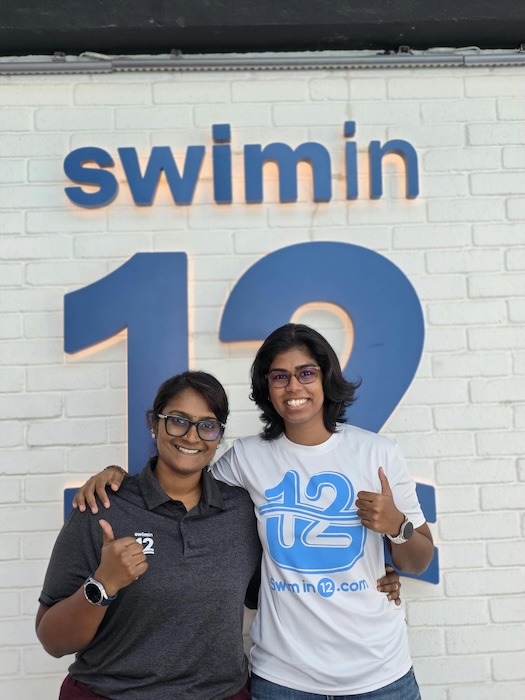
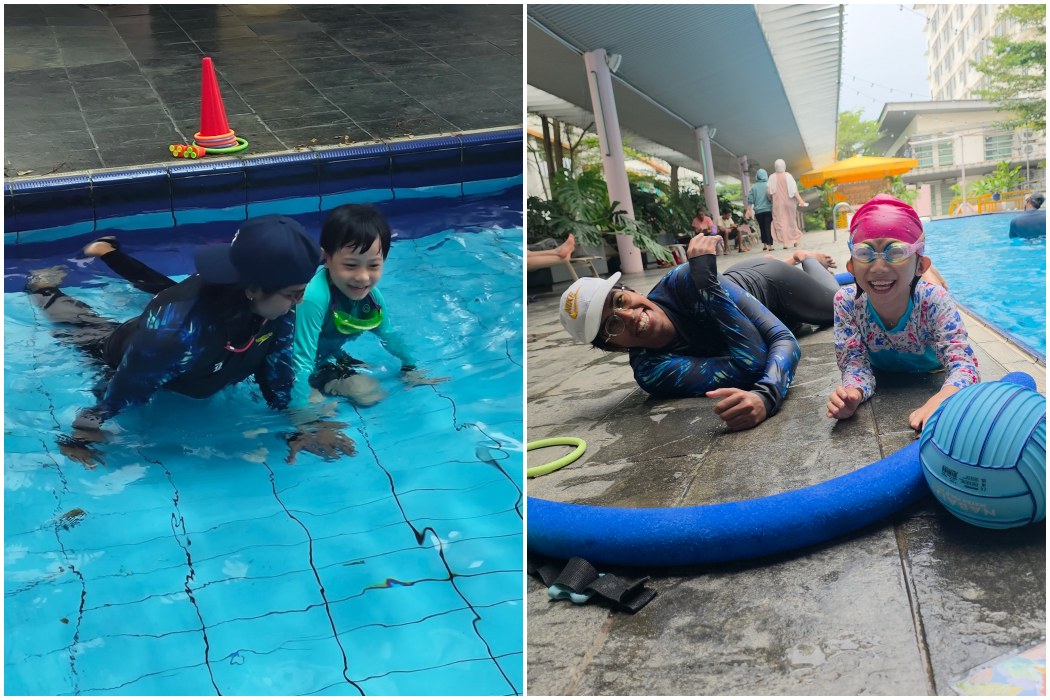
Darshini Balakrishnan, Chief Inclusion Coach and CEO of Swimin12 (left), together with Rajhalaxmi Balakrishnan Special Needs Therapist (right).
The programme is led by Darshini Balakrishnan, Chief Inclusion Coach and CEO of Swimin12, and Rajhalaxmi Balakrishnan, Special Needs Therapist.
Darshini brings more than 16 years of professional swim-coaching experience, alongside a background in psychology and postgraduate study in developmental and educational psychology.
Rajhalaxmi has a background in counselling and behavioural support, including experience as an ABA therapist, and is pursuing further studies in special needs education.
Together, their expertise helps shape an approach that considers each learner’s emotional, sensory and developmental needs alongside swimming skills.
Making Swimming More Inclusive for Malaysian Children
Access to suitable swimming education remains important, particularly for children who may require additional support to participate.
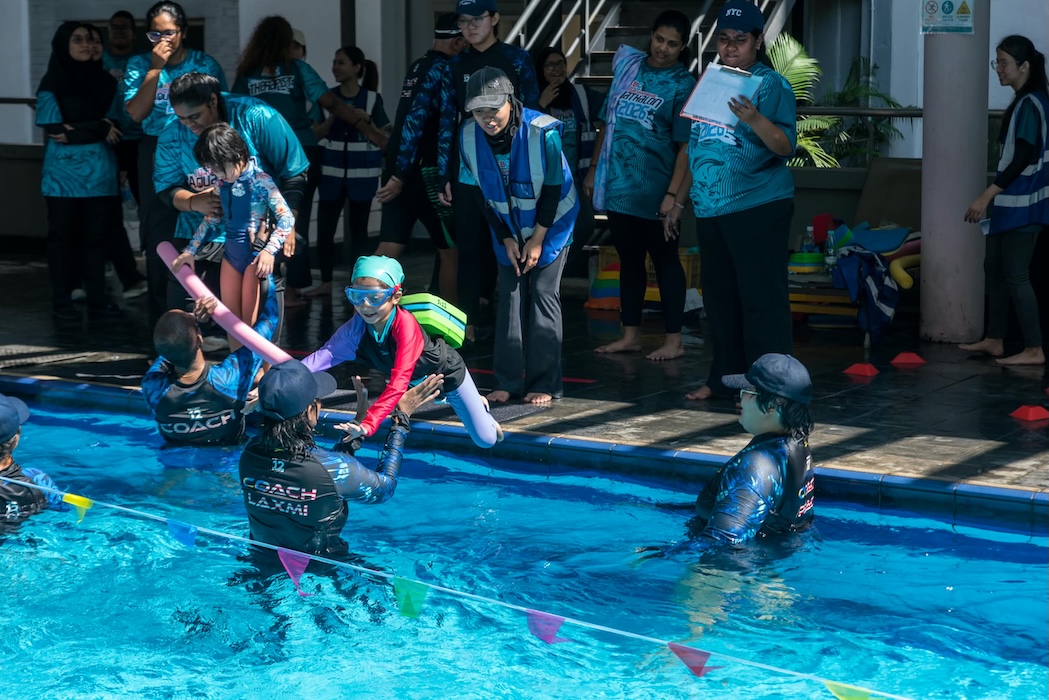
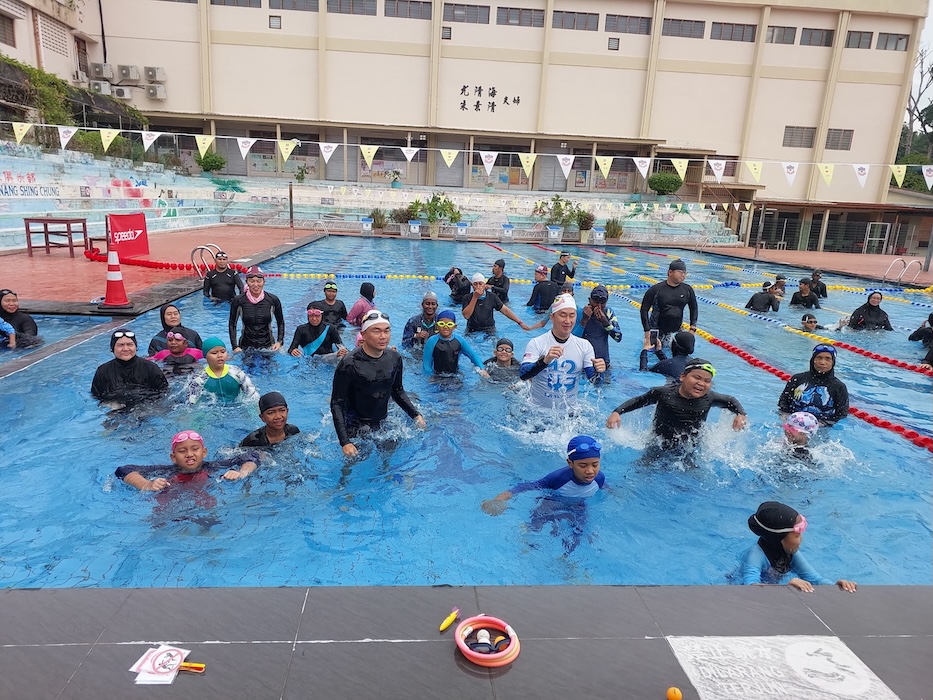
In July 2025, Swimin12 brought inclusive swimming education to a wider community through a swimming lesson involving 46 neurodiverse children at SJK (C) Shing Chung in Sungai Siput, Perak.
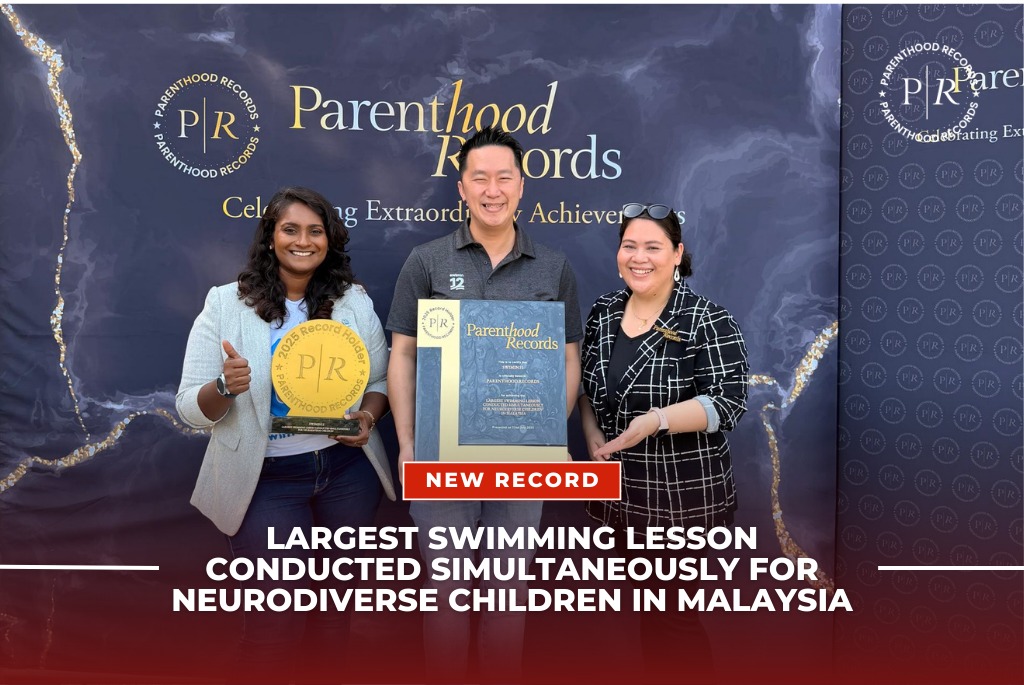
The initiative was recognised by Parenthood Records for the Largest Swimming Lesson Conducted Simultaneously for Neurodiverse Children.
It also reflected Swimin12’s wider mission to make water-confidence and water-safety education more accessible through community programmes, school collaborations and inclusive coaching.
In recognition of its work, Swimin12 received the Parents’ Choice Award for Best Comprehensive Special Needs Swim Programme 2026, marking its first win in this category.
The swim school is also a three-time consecutive winner at the Parents’ Choice Awards as Best Swim School for Children (2024–2026).
Every Small Step in the Water Matters
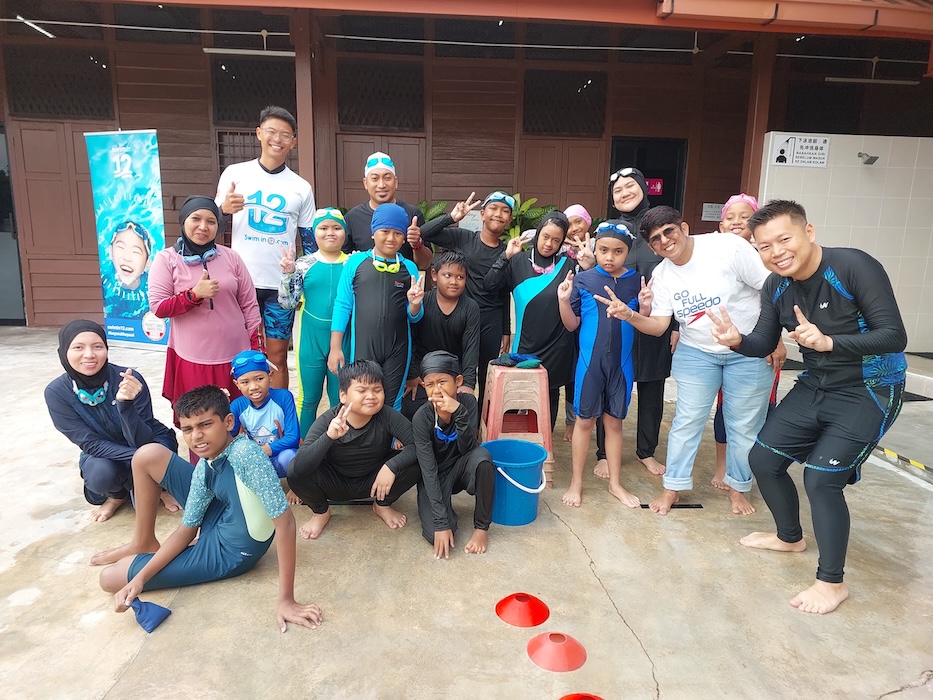
For parents considering swimming lessons for a child with different learning, developmental, sensory or physical needs, it helps to remember that every learner begins from a different place.
Some children may learn to swim independently sooner, while others need more time to build comfort, trust and confidence in the water.
What matters is having an approach that recognises their needs, celebrates their progress and helps them develop water-safety skills at a manageable pace.
Interested in exploring an inclusive swimming programme for your child?
Parents and caregivers can WhatsApp Swimin12 for a consultation to discuss their child’s current comfort level, communication preferences, sensory needs and swimming goals.
Learn more about Swimin12’s programmes at www.swimin12.com.