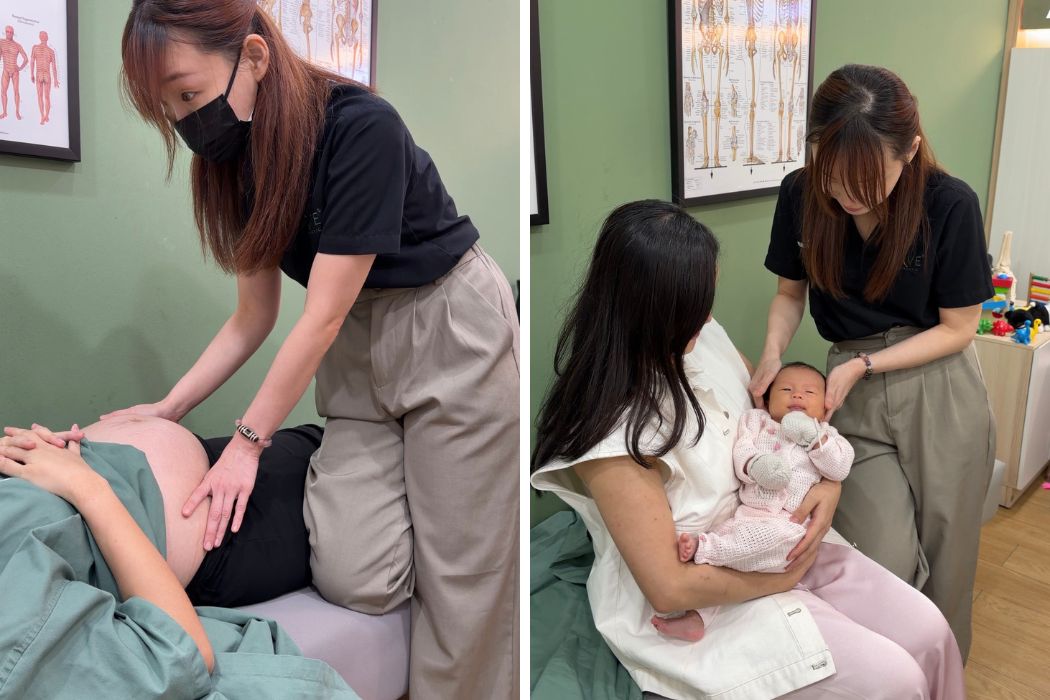





Pregnancy and childbirth is truly a beautiful time in the life of a woman. A time of joy and happiness, when you bring another life into the world. Of course, pregnancy can also be associated with a multitude of health and fitness challenges, more than 90% of pregnant women had dealt with some sort of pain and ailment either throughout their entire pregnancy or in certain phases of their pregnancy, such as back pain, sciatic discomfort, round ligament pain, stiff neck and shoulders, pubic bone pain, varicose vein etc, to name a few. And then there are common issues that manifest post-birth such as incontinence due to pelvic floor dysfunction, a very persistent bulging lower abdomen and aches and pain that radiates all over your body due to the demands of lifting and carrying your child as a new mother. Unfortunately, there are also instances where such pain and discomfort continue to worsen post-birth.
Giving birth to a new life should not come with the expense of damaging a woman’s body. In our conversations and discussions about pregnancy, even in certain reading materials, pain and discomfort during pregnancy is a prevalent subject and more often than not (albeit disturbing) it is perceived as “normal” and “nothing to worry about”. The notion of pain, discomfort, excessive weight gain and “mummy pooch” as part of pregnancy and motherhood being normal is and should not be acceptable. An example would be lower back pain due to the shifting weight of a growing belly, one should not dismiss it as normal because such pain can be eradicated with core training.
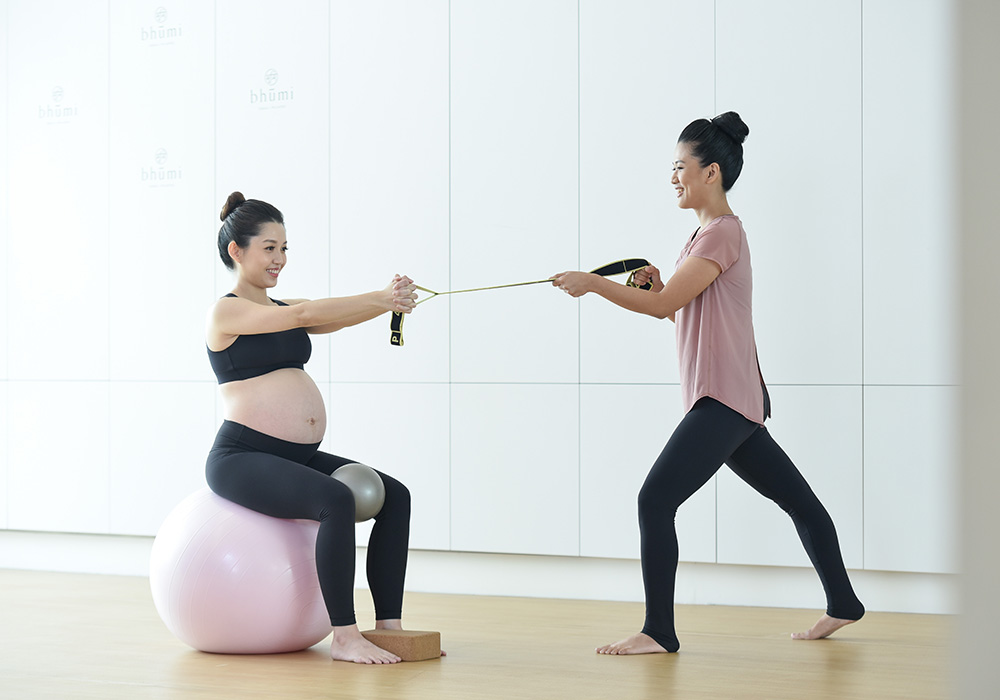
Mamas, we have all received advice from our doctors to exercise during pregnancy but for some, the idea of exercise might still put them off. So what are the main concerns and risk of exercising and remaining active during pregnancy? It is the “FEAR” of miscarriage and not that it will actually cause miscarriage. We hope that the following reasons will make prenatal exercise appealing and will further motivate you to make a change in pursuing a comfortable and positive pregnancy.
Various research and studies have demonstrated that light to moderate exercise during pregnancy has proven to be beneficial to the fetus. Newborns whose mothers exercised regularly during pregnancy are born at a healthy weight with lower body fat content and is physically coordinated a little earlier and better.
Your baby’s journey starts in your womb and the condition of your body and health will affect your child considerably and indefinitely. The dyadic mother-infant relationship begins in the earliest stage of prenatal life and continues throughout pregnancy, the shared nature of the peripartum phase is especially salient for the development of obesity in the mother or the infant. Offspring of overweight and obese women are at increased risk to be born large at gestational age and become overweight or obese as children or adults. Call it hereditary or genetics, it is undeniable that these conditions can be improved or controlled with prenatal training. An example that comes to mind is the late Lydia Shum, a prominent Hong Kong actress and her daughter Joyce Cheng. Lydia Shum had been obese all her life and her pregnancy was plagued with complications from the onset of conception until birth, her daughter who has grown up under the media’s limelight, has struggled with weight since childhood. Now in her adulthood, she has confessed that maintaining a healthy weight is a constant challenge as it is very easy to lose track and rebound. The struggle, whatever it maybe, is a lifetime battle for your child if your body is not in an optimal condition to nurture new life.

Amongst the benefits of exercising during pregnancy is prepping your body for birth and recovery. Labour and childbirth is a marathon that requires stamina, proper prenatal training will aid your labour and birth, knowing how to engage your core muscles correctly to breath and birth your baby while minimising damage to your pelvic floor muscle. It is even more so that after your child is born, the demands of a new mother of nursing and caring for your child around the clock requires energy and physical strength. Regular exercise will also prevent excessive weight gain and ensure that the postnatal recovery process is more expedient and effective.
The benefits of exercise to the body is apparent, not only will it help an expectant mother prevent diabetes, regulate blood pressure and manage physical discomfort associated with pregnancy, but the advantages to one’s emotional wellbeing is threefold, the release of endorphins during exercise will help you to cope better with pregnancy and stands to benefit your baby as well. Mothers who are constantly stressed, anxious or being overly worried are more likely to have distressed babies.
Barring any circumstances that involve a medical condition that might pose a threat to your health and baby which your doctor has cautioned against, most healthy expectant mothers are fit and should be able to pursue and maintain a fitness regime under the supervision of a certified pre & post-natal instructor during their pregnancy.
It is crucial that you consult a certified pre & post-natal instructor to devise a fitness regime, not all exercises are safe and appropriate during pregnancy and one should be careful when being advised to assume your pre-pregnancy fitness routine.
Mamas, you would want to look back at your 9 months journey as one that is delightful and enjoyable, while some of us might suffer from severe morning sickness and poor appetite, light exercise will surely help you to manage these afflictions and uplift your mood. A happy mother means a happy baby and I hope I have convinced you to make a change and start moving!