





Sharmene Looi, Co-founder and Chief Marketing Officer of iMotorbike
For many women, IVF is often seen as a last resort, a proactive step toward building a family. It’s a journey marked by physical demands, emotional highs and lows, and often, silence. For Sharmeen Looi, Co-founder and Chief Marketing Officer of iMotorbike, that silence was never an option. Known for her strategic mindset and resilience in the business world, Sharmeen approached her IVF journey with the same determination.
In this exclusive Q&A interview, she opens up about the challenges of fertility treatment, the importance of support, and her mission to break the stigma surrounding infertility in Malaysia.
Q: Tell us a bit about yourself and what led you to pursue IVF.
I co-founded iMotorbike, a digital platform for buying and selling used motorcycles across Southeast Asia. Having had the privilege to do this for over 10 years now, I’ve always approached life like an entrepreneur, with strategy, resilience, and a problem-solving mindset. And this guided me when I began my IVF journey.
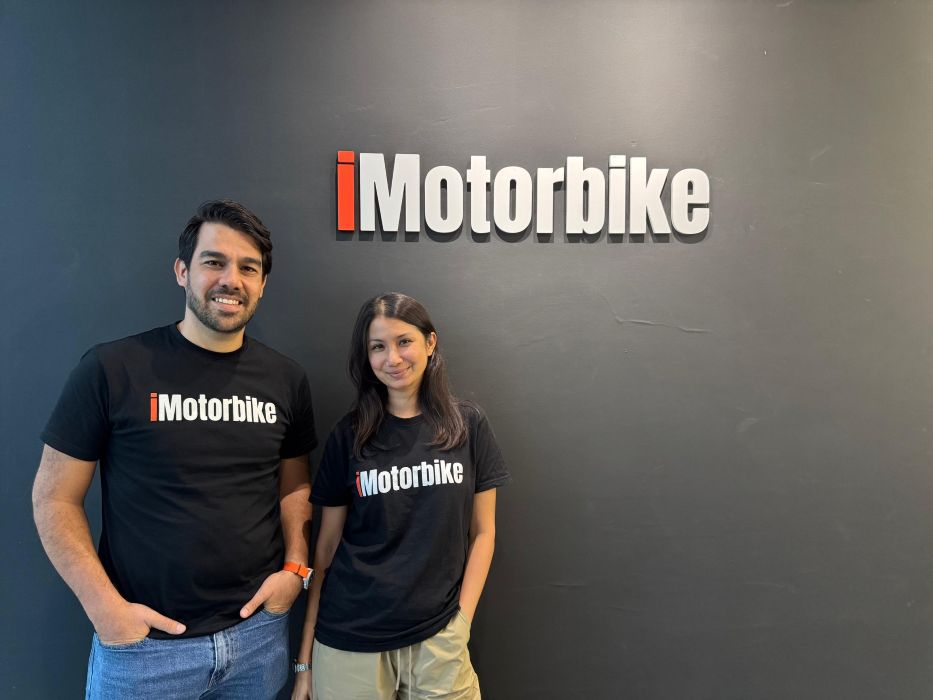
Sharmeen Looi, with Gil Carmo, CEO & Co Founder of iMotorbike
I was diagnosed with Polycystic Ovary Syndrome (PCOS) at 25, though I had signs of irregular cycles since I was 14. Knowing that conceiving naturally might be difficult, I chose to be proactive. When my partner and I decided to start a family, we immediately consulted a fertility specialist. In July 2023, after several tests, including a laparoscopic, cystectomy, hysteroscopy and two unsuccessful rounds of IUI, we moved forward with IVF. I only had one viable blastocyst, but it thankfully resulted in a successful pregnancy. I believe research, preparation, staying informed, and embracing the journey made all the difference.
“I believe research, preparation, staying informed, and embracing the journey made all the difference.”
Q: What motivated you to speak so openly about your IVF experience, despite the stigma surrounding fertility challenges?
Upon my diagnosis, I was told not to talk about my fertility issues because it might make me seem like an “undesirable bride.” That moment stuck with me. It made me realise how infertility is unfairly stigmatised, especially for women. But the truth is, infertility is a medical condition, not a flaw, and it should not carry a stigma.
I chose to speak out to normalise the conversation around infertility and support others who may feel isolated. When I met my partner, I was upfront about my condition, and we approached the journey together. Infertility is still often misunderstood and unfairly seen as a weakness, which causes many women to stay silent out of fear of judgment. But silence only adds to the emotional burden. By sharing my story, I hope to break the stigma, create a supportive community, and empower more women to view IVF and fertility treatments as valid, courageous steps, not something to be hidden.
“Infertility is still often misunderstood and unfairly seen as a weakness.”
Q: What were some of the toughest challenges you faced during IVF, and how did you manage them both personally and professionally?
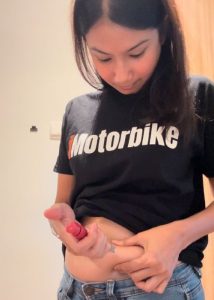
The IVF journey came with a range of physical and emotional challenges. Between frequent doctor appointments, medications, and shifting hormone levels, it was difficult to maintain a regular routine. As an entrepreneur, I had to be extremely disciplined with time management, often stepping away from meetings or adjusting work commitments to prioritise my health. At one point, I was taking up to 21 pills a day, and the process often felt all-consuming.
“At one point, I was taking up to 21 pills a day.”
Emotionally, the journey was even more demanding. IVF is a rollercoaster of hope, uncertainty, and waiting, which can take a real toll. What helped me cope was open communication and a strong support system. I was honest with my co-founder and team from the start, which created a safe and understanding environment at work. Outside of work, I leaned on friends, family, and most importantly, my partner, who was with me every step of the way.
Professionally, IVF taught me to be more intentional with how I spend my time. I learned to prioritise, delegate, and maintain open communication, skills that improved both my work-life balance and leadership approach. I’m fortunate to be part of a company culture at iMotorbike that values empathy and flexibility. My co-founders and investors were incredibly supportive, reinforcing how vital it is to cultivate a workplace where people can navigate personal challenges without fear or stigma.
Q: How did societal expectations shape your IVF experience, and what can be done to better support women going through similar journeys?
In many Asian cultures, including Malaysia, infertility is still unfairly viewed as a woman’s issue. There’s a long-standing expectation that women should conceive naturally, and any difficulty is seen as a personal failure. This mindset creates immense pressure, often leaving women feeling isolated, judged, or inadequate.
I realised early on that infertility carries a heavy stigma, but it’s a medical condition, not a reflection of one’s worth. More importantly, conceiving a child should be seen as a shared journey, not a burden carried by women alone.
Speaking openly about my IVF journey helped shift some of that narrative, but it also revealed how uncomfortable many still are with the topic. When we normalise these “taboo” conversations, we begin to replace blame with understanding and create space for women and couples to seek help without fear or shame.
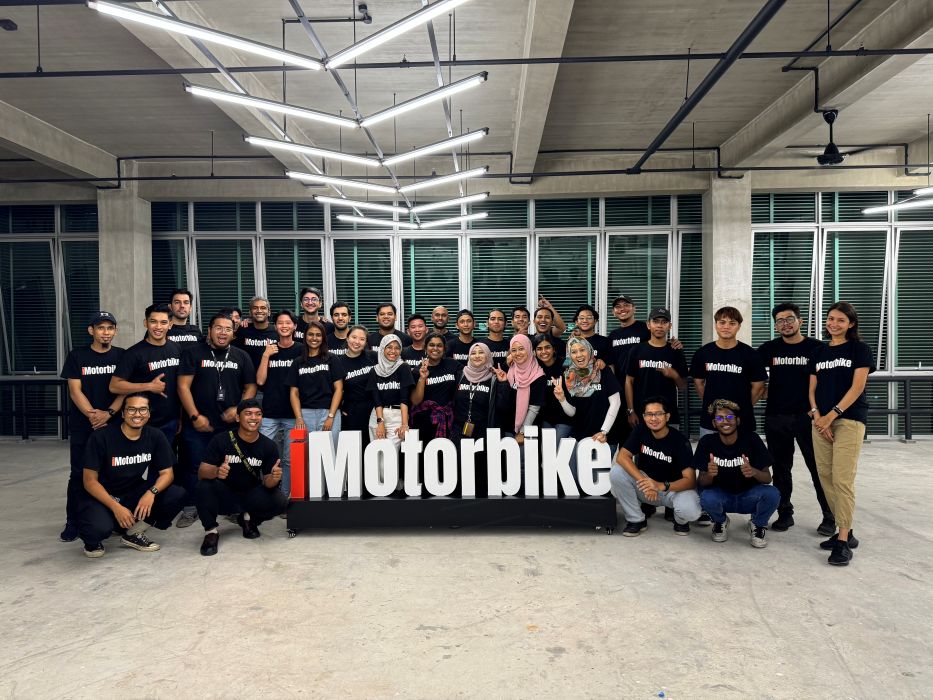
A more supportive environment starts with empathy and open dialogue. On a personal level, listening without judgment, offering emotional support, and avoiding insensitive questions can go a long way. In the workplace, flexible policies, understanding leadership, and fertility-related health benefits, including mental health support can ease the practical and emotional burden for women undergoing IVF.
At a broader level, government and community initiatives must continue evolving. Programmes like IVF Kasih and EPF withdrawal schemes are valuable, but greater awareness and accessibility are needed. More subsidised treatments and workplace-friendly policies could significantly reduce the financial and emotional strain on couples.
Q: What message would you like to share with women who are considering or currently undergoing IVF?
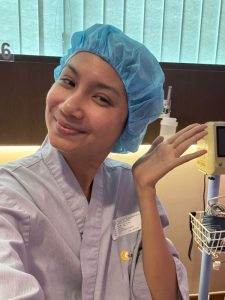
My message is this: be kind to yourself and approach the IVF journey with patience and self-compassion. Infertility is not your fault, it is nobody’s fault. IVF isn’t just a medical process; it’s an emotional journey filled with hope, uncertainty, and resilience. Remember, your worth is not defined by your ability to conceive, and you are never alone in this. There is strength in seeking support and courage in choosing to keep going.
If you feel comfortable, share your story, it could give strength to someone else. Seeking help isn’t a sign of weakness; it’s an act of bravery. You’re already showing incredible strength by taking this path, no matter the outcome. At the same time, I hope society becomes more compassionate because infertility stigma is unfair. We never truly know what someone is going through, so let’s lead with kindness and support one another.