




Starting preschool is often regarded as a big milestone for your child, and for you. If you are a stay-at-home mum, this would be the first time your child will be spending hours away from you. If your child was previously cared for by a home-based nanny, this would be his/her first structured education in a formal setting.
Even though the decision to embark on this journey was carefully researched and extensively deliberated, feelings of uncertainties will emerge as the day approaches.
Here’s a list of things you can do to prepare your child and yourself for the “big” day.
What to do two weeks before?
Read stories or watch videos about going to nursery/pre-school.
○ There are plenty of story books and online videos about the first day at school – such as how a school looks like, who are the people in the school etc.
○ Some recommended titles are:
- “Maisy Goes to Preschool” by Lucy Cousins;
- “Llama Llama Misses Mama” by Anna Dewdney;
- “Little School” by Beth Norling; or
- “The Kissing Hand” by Audrey Penn.
○ You may select age-appropriate materials that can help your child to understand this new phase in his/her life.
○ Discuss about how a day at school will be compared to their current routine.
○ Prepare your child emotionally and psychologically for the transition.

Make adjustments to your child’s daily routine.
- If your child’s daily routine is currently different from that of the nursery, you may need to start making small changes to your child’s bedtime, meals or nap time.
- Developing consistent, predictable routines a few weeks before school starts will make the transition easier and smoother.
- Request for a meeting with your child’s class teacher if the nursery does not organize onboarding meetings
- It is important for your child to connect and familiarize with his/her class teacher as it will expedite the assimilation and adaptation process.
Buy a new bag specially for starting nursery/preschool.
- A small backpack or trolley bag would be great, so your child can manage it on his/her own.
- Take the opportunity to tell your child that he/she is growing up and ready for a new milestone in his/her life.
What to do on the night before preschool?
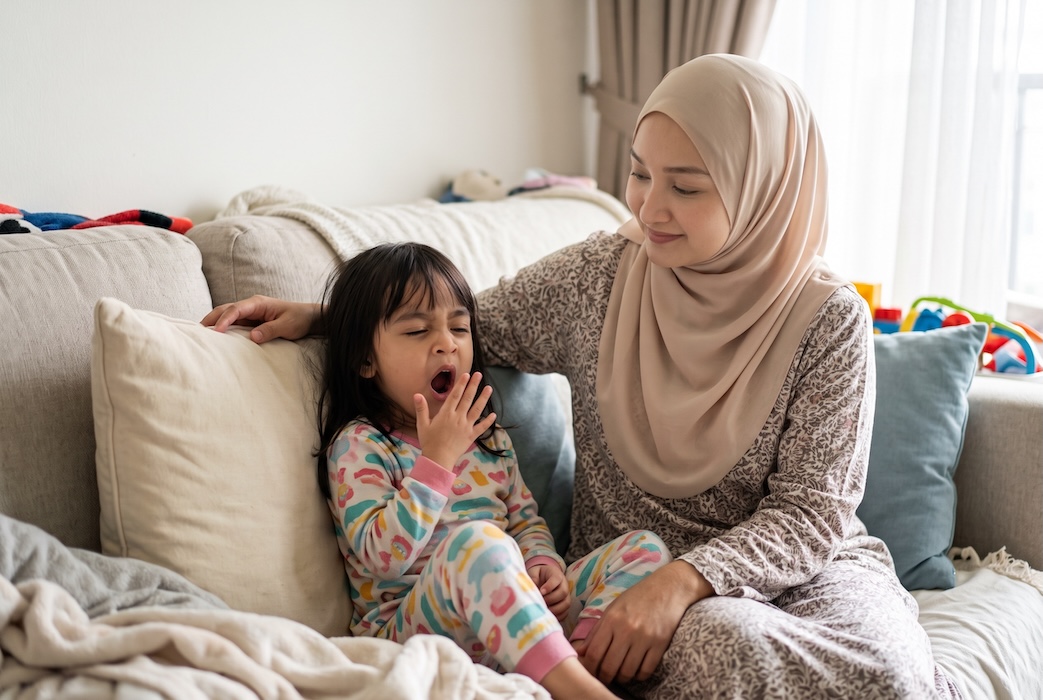
Put your child to bed early the night before as it is important that your child has rested sufficiently and is in a good mood.
- Read him/her a favourite bedtime story.
- Hug your child and tell him/her that he/she is going to school tomorrow
Express and acknowledge feelings.
- Acknowledge his/her fears without belittling them, assure him/her that such feelings of insecurities are normal, even in adults; especially when we are embarking on a new journey.
- At the same time, acknowledge to yourself your own feelings of ambivalence.
- Focus your conversation on the positive outcomes of this new chapter.
- Keep the tone of your voice upbeat throughout the conversation bearing in mind that your child is very sensitive to the vibes you are sending out.
Remind your child he/she is going into school without daddy/mummy just like someone he/she knows e.g. elder sibling, cousin or friend.
- Prepare your child for the fact that you will not be going into the classroom with him/her. For security reasons, most nurseries and pre-schools would not allow parents beyond the reception.
- Kiss your child goodnight
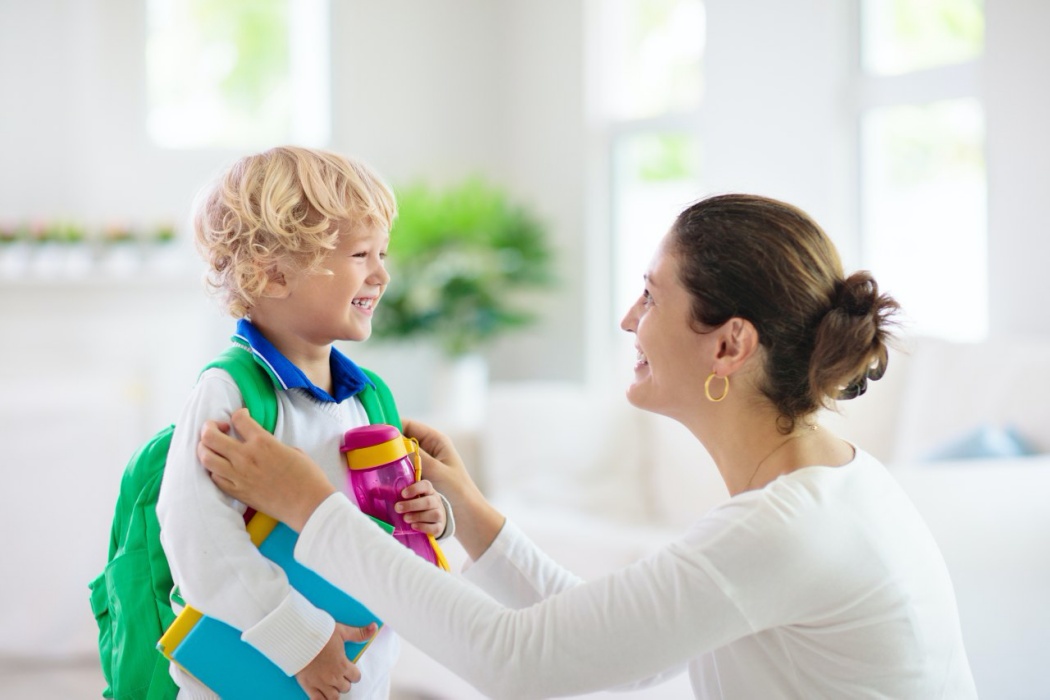
What to do on the morning of the first day of school?
Ensure that your child has milk and/or breakfast before sending him/her to nursery/pre-school.
- The first day of school will be somehow “stressful” without you being around. So, starting him off on a full tummy will also eliminate the discomfort that could be due to hungry pangs.
Ensure that he/she is wearing a fresh diaper.
- If your child is not yet fully potty trained, you should also put on diapers as we don’t want embarrassing incidents on the first day.
Bring along favorite snacks and a favorite toy.
- Pack his/her school bag with a water bottle, a change of clothes and favorite snacks.
- Having the company of a favourite toy, handkerchief or smelly bolster will create the sense of familiarity that will soothe and comfort your child in the new environment.
Talk your child through the dropping off process during your journey to nursery/pre-school.
- He/she might not be able to fully comprehend what you are saying, but this process helps to prepare your child and yourself about the separation that will be taking place later on.
What to do when you arrive in school?
Establish a routine for dropping off. Children crave routine and they perform better when routines are cohesive and consistent.
- Bring your child into the reception area and remove his/her shoes
- Help your child to put his/her shoes away at the shoe cabinet
- Help your child to sanitize his/her hands
- Tell your child you love him/her and will be back when school is over
Say a goodbye (yes, only one).
- Goodbyes are the hardest, but you must do it.
- Give your child a hug and a kiss, tell her you’ll be back soon and then walk out the door. Don’t linger on.
- Make sure your child sees you leaving. Don’t go back no matter how hard she/he cries. Mean what you say.
- You might be tempted to sneak away because it feels better when you don’t have to deal with a meltdown. However, experts believe that this will prolong the heightened insecurities as your child might be searching for you when he/she realizes you are gone.
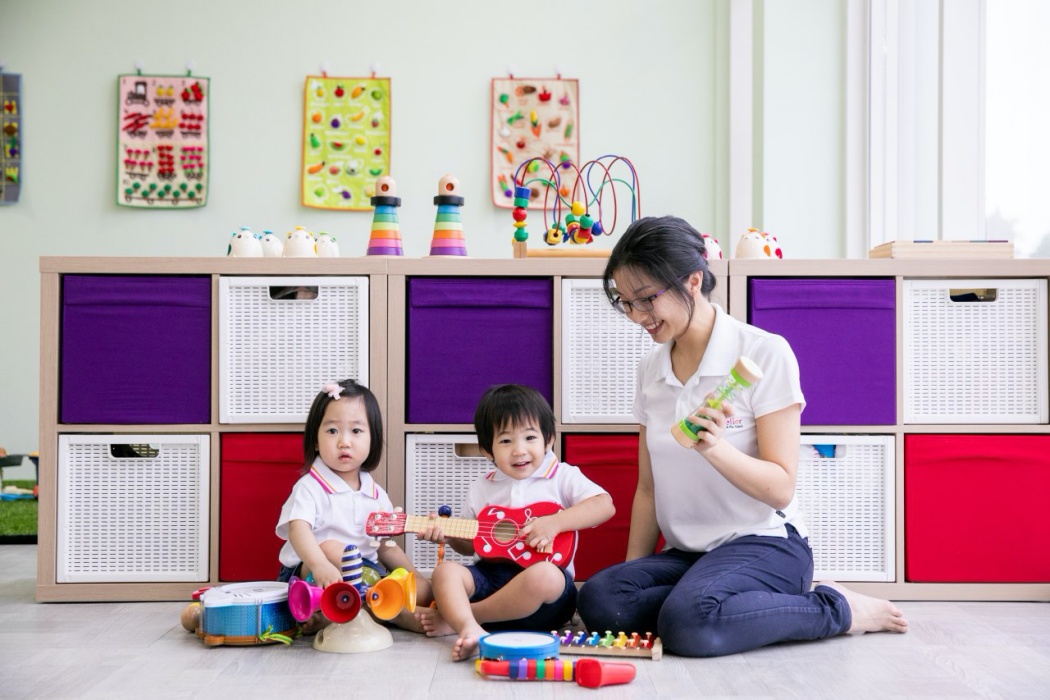
Trust your child’s class teacher.
- Allow your child’s class teacher to take over even though your child could be crying.
- Most, if not all class teachers will have a bag of tricks to calm your child down. They have done it many times and know how to make your child happy. It could be as simple as diverting his/her attention with new toys, songs or activities.
- You would have done tons of research before picking the nursery or preschool of your choice. It is time to trust your instincts and believe you have made the right decision for your child.
Be strong, and never let your child see your tears.
- Keep your emotions in check. Be calm and positive.
- Smile, so that your child knows that you are confident he/she will be in good hands
What to expect when your child returns home?
Be prepared for regression.
- Your child may become suddenly very dependent on you. For example, refusing to eat or get undressed on his own. She/he could also refuse to walk and might want to be carried all the time.
Be prepared for mood swings.
- Your child may be emotionally unstable or become unusually clingy after the first day at school especially if he/she had spent the better part of the day crying or looking for you.
- It is important to know that all these are signs that your child is emotionally distressed after this episode. Give her lots of hugs and kisses. Talk to her about her day when she is ready.
Be prepared that this will last for a while.
- Most children of preschool age take about 1-2 weeks to familiarize and settle down into the new environment. As soon as they start participating in the classroom activities, it often means they already start to feel comfortable with the new routine, teachers and friends. Statistics show that more than 99% of pre-school children will fully adapt at the end of the first month.
- However, drop-off meltdowns might still go on a little longer. Hence, it is of paramount importance that you stick with the drop-off routine every day and never bring your child home no matter how hard he/she cries or fuss.
- Your child may also start to resist the morning routine and refuse breakfast because he/she is reluctant to go to school. Nevertheless, you should still insist on sending him/her to school every day.
Advocates of the 21/90 rule believe that it takes 21 days to learn a new habit, and 90 days for the habit to become part of our lifestyle. Enrolling your child into preschool is just like cultivating any good habit; consistency and perseverance are key to guaranteed successful transition.
Good luck and all the best!