





When mealtime battles become a daily reality, it might be time to look beyond the plate
Picture this: dinner is on the table, it smells wonderful, and your child takes one look at it, pushes the bowl aside, and announces they are not hungry. Again.
For many modern parents, mealtime has become a primary source of daily stress. We often label these moments as “picky eating” and assume it is a behavioural phase or a simple clash of wills. However, it is important to pause and consider that not every child who refuses food is simply being difficult.
Sometimes, a small appetite or a refusal to eat is less about attitude and more about how their little bodies are feeling on the inside.
It Is Not Always About Attitude
Children’s appetites are influenced by far more than what is on their plates. Digestive discomfort, an imbalance in gut health, or simply how their bodies process and absorb nutrients can all play a significant role in how hungry they feel and how willing they are to eat.
A child dealing with sluggish digestion, for example, may genuinely not feel hungry because their body has not finished processing the last meal. One prone to digestive discomfort might associate eating with an unpleasant feeling, making them more resistant to mealtimes in general. These are not behavioural issues. They are physiological ones, and they deserve to be understood as such.
This matters because when we chalk up a child’s poor appetite purely to fussiness or stubbornness, we miss an opportunity to actually support them.

Cultivating Healthy Eating Habits Naturally
Creating a positive relationship with food starts with one thing: a relaxed environment. Pressure and force-feeding often backfire, building a negative association with mealtimes that can stick around for years longer than any parent would like.
Instead, focus on consistency and gentle encouragement. A few things that actually help:
- Keep meals predictable: Regular meal times train the body to expect food and actually feel hungry for it.
- Get them involved: A say in what’s on the plate goes a long way. Market trips, stirring batter, even just picking a colour count.
- Take the pressure off: No bribes, no negotiations. Safe and relaxed beats are forced every time.
Sometimes, even with the best routines in place, children need a little extra support to find their appetite balance. A natural, plant-based nutritional support can play a quiet but reassuring role in a family’s daily wellness journey.
A Gentler Path to Wellness
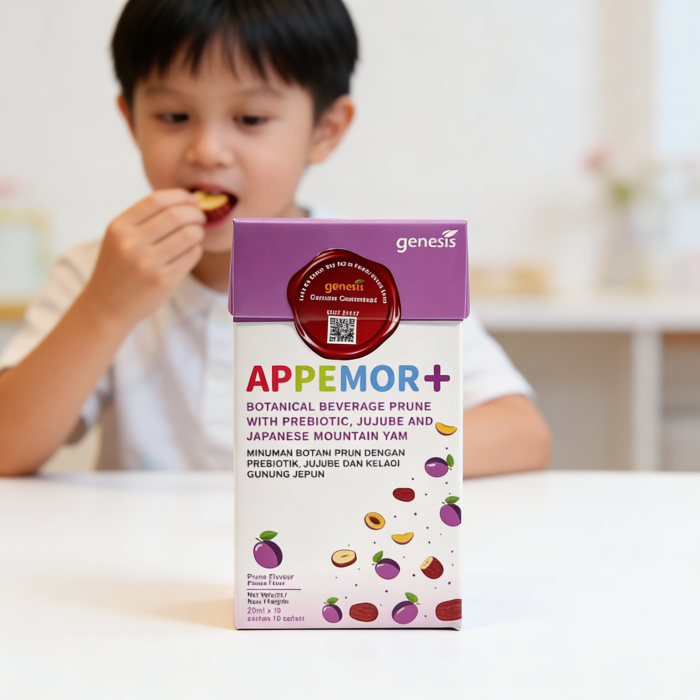
For parents seeking a more holistic approach to appetite and digestion, Appemor+ offers a thoughtful solution rooted in traditional botanical wisdom. Formulated as a plant-based functional beverage, it is designed specifically for children who struggle with small appetites or digestive discomfort.
Rather than relying on harsh ingredients, Appemor+ utilises a combination of Jujube Extract, Japanese Mountain Yam, and Prune Juice. These ingredients have been cherished for generations for their ability to support the digestive system and encourage a healthy appetite naturally.
The inclusion of Prebiotic Inulin further assists in maintaining a healthy gut, which is essential for proper nutrient absorption and overall growth.
A Gentler Way Forward
Managing a child’s eating challenges can feel relentless. Appemor+ is not a magic fix, and it does not claim to be. What it offers is gentle, daily support that works alongside good routines and a relaxed approach to meals. Think of it less as a supplement and more as part of building the right conditions for your child to actually want to eat.
So, is your child a picky eater? Maybe. But it might also be that their body just needs a little help getting there. When we stop labelling and start listening to what little bodies are telling us, that is when things start to shift.
____________________________________________________________________________
Learn more about Appemor+ at genesisnutraceuticals.com.my/appemor or follow @appemorplus on Instagram.