




Remember those food pyramid posters in school? The ones with rice, bread and noodles forming that wide, comforting base? Fruits and veggies somewhere in the middle. Protein above. And fats perched at the very top like the “eat sparingly” villain. That is what we grew up with. That is what many of us taught our children.
In January 2026, the US government essentially flipped the script, introducing what many are calling the inverted food pyramid. In simple terms, it shifts the spotlight away from heavy carbohydrate reliance and places greater emphasis on whole foods, protein, healthy fats, and nutrient-dense choices. It’s a bit of a plot twist for us in Malaysia, where rice is a standard dish in our day-to-day meals.
So, should Malaysian parents care? Or can we keep calm and carry on with our nasi lemak?
What Exactly Changed?
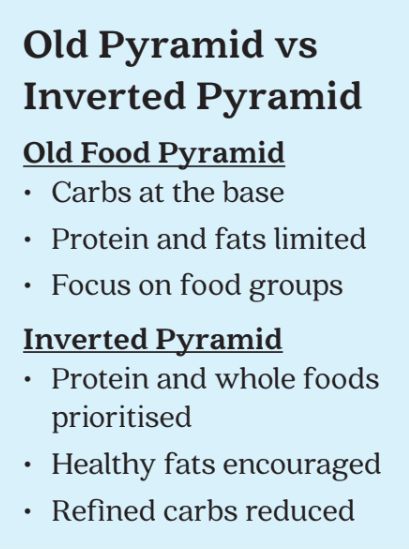
For decades, the American food pyramid sat on our classroom walls with grains forming the sturdy base, fruits and vegetables in the middle, and proteins and fats up at the tiny peak. The message was simple: eat more carbs, go easy on the meat and oil.
The new US guidelines throw that out the window and are now presenting what seems like an inverted version of the food pyramid:
- Protein first: Meat, eggs, seafood, and full-fat dairy get top billing
- Fats are friends, not foes: Butter, beef tallow, and olive oil are now “healthy fats”
- Grains get demoted: Whole grains sit at the bottom, and refined carbs are pretty much cancelled
- Cut the ultra-processed stuff: This part actually makes sense to most parents
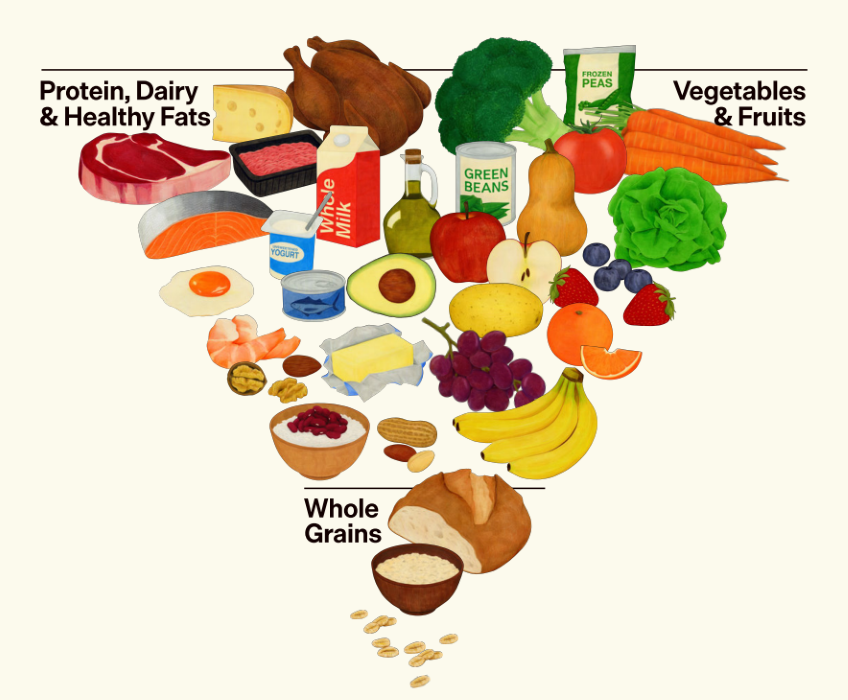
The New US Food Pyramid.
The US government says this will fight obesity and chronic diseases. They have even launched a whole “real food” campaign around it.1 Here is the thing, though: your grandmother already knew about real food. She was not feeding the family from boxes with ingredients you cannot pronounce.
What Malaysian Experts Actually Think
Before you start rearranging your pantry, hear what our local professionals are saying. Malaysian dieticians are looking at this American flip and basically saying, “Thanks, but no thanks.”
Dr Tee E Siong, senior nutritionist at IMU University, puts it plainly: the format of the pyramid does not matter as much as what goes inside it2. Whether it stands up or hangs upside down, the broad part should still represent what you eat most. But he draws a hard line at the US pyramid’s heavy emphasis on animal proteins, suggesting that we maintain the current Malaysian pyramid wherein protein-rich animal foods are at the middle part of the pyramid, to be consumed moderately. More meat means more cholesterol and saturated fat. Plus, have you seen beef prices lately?
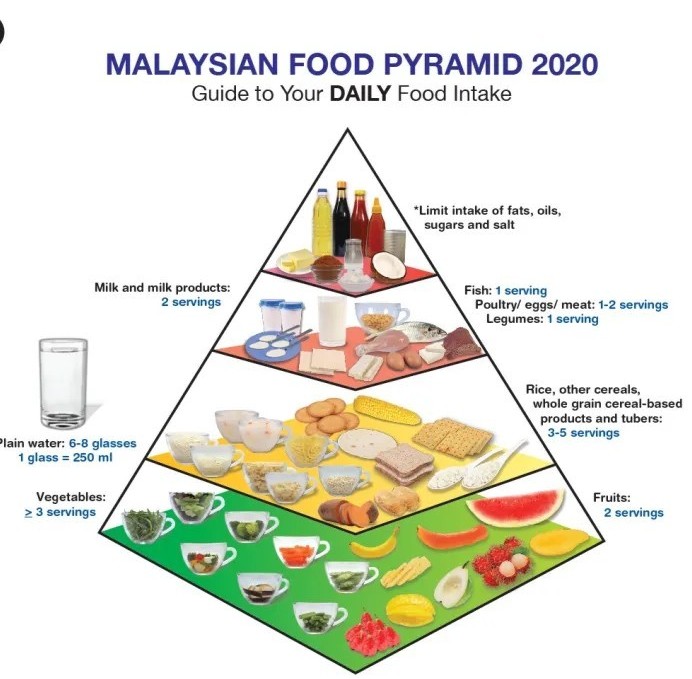
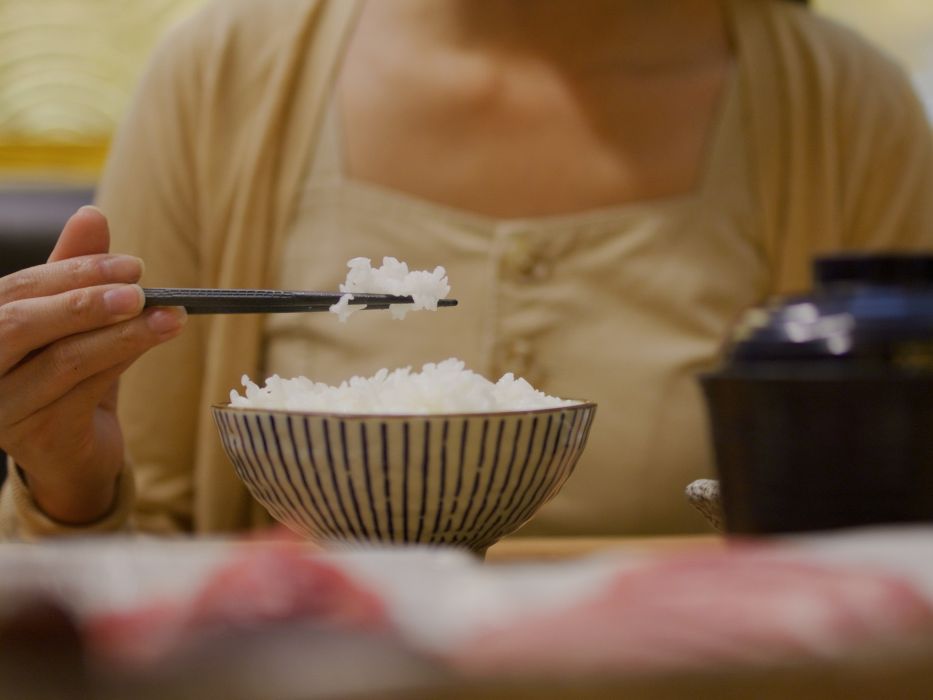
The Nutrition Society of Malaysia (NSM) agrees.3 “Placing rice above protein in our food pyramid is scientifically consistent with our national nutrient recommendations and reflects local eating patterns, food availability, and cultural context,” they stated. We are a rice-eating nation. That is not a flaw. That is who we are.
Your local pharmacists are hearing the confusion daily. TheAlpro Healthcare Professionals Roundtable from Alpro Pharmacy developed a simple “Eat REAL” framework: Real Food First, Enough Protein (not excess), Adjust Portions, and Live Balanced the Malaysian Way. Their chief dietitian, Jayne Luah, emphasises that when guidelines flip, the greatest risk is misunderstanding: ‘Allowed’ does not mean ‘unlimited’, and ‘reduce’ does not mean ‘eliminate’.4
The Real Problem Is Not the Pyramid
Malaysia’s bigger headache is not whether we follow an upright or inverted triangle. It is the fact that so many of us eat out or order in for one or two meals every single day.
Think about it. When was the last time your family ate three home-cooked meals in one day? Between work, school runs, and today’s horrible traffic, most parents are grabbing breakfast at the mamak, lunch at the office canteen, and dinner via Foodpanda.
These away-from-home meals are the real culprits. Hawker food, while delicious, often comes with mountains of white rice, oily gravies, and portions that could feed a small village. The NSM notes that our Suku-Suku Separuh campaign (quarter protein, quarter carbs, half vegetables) is simple and practical, but it needs stronger messaging about food quality, not just food groups.
So What Should Parents Actually Do?
The smartest takeaway here for us parents is not to follow the American inverted pyramid blindly. It is to learn from science and adapt it wisely. Even the Ministry of Health Malaysia continues to promote balanced, culturally relevant nutrition guidelines because they reflect how Malaysians truly eat.
For parents, this means:
- Keep your rice, but watch the portion: Your kids can keep their nasi lemak. Just stop piling their plate like you are building a sandcastle. A mountain of rice is still a mountain, even with a cucumber on top.
- Make protein moderate, not massive: Your child does not need a steak the size of their face. A palm-sized portion of fish, chicken, or tofu does the job. Save your wallet and their kidneys.
- Veggies are still your best friend: Three servings a day. Yes, that includes the ulam your mother-in-law insists on. Pick your battles, parents. This one is worth it.
- Beware of the real enemy: That sugary drink your child begs for is doing more damage than the rice. Choose your fights wisely.
Cut the packaged stuff: If the ingredient list reads like a chemistry exam, put it back. Real food goes bad. That is a good thing.
Nutrition science will keep evolving. Today’s superfood can become tomorrow’s villain. But as Malaysian parents, we have something the Americans are just rediscovering: a food culture built on fresh ingredients, shared meals, and yes, rice.
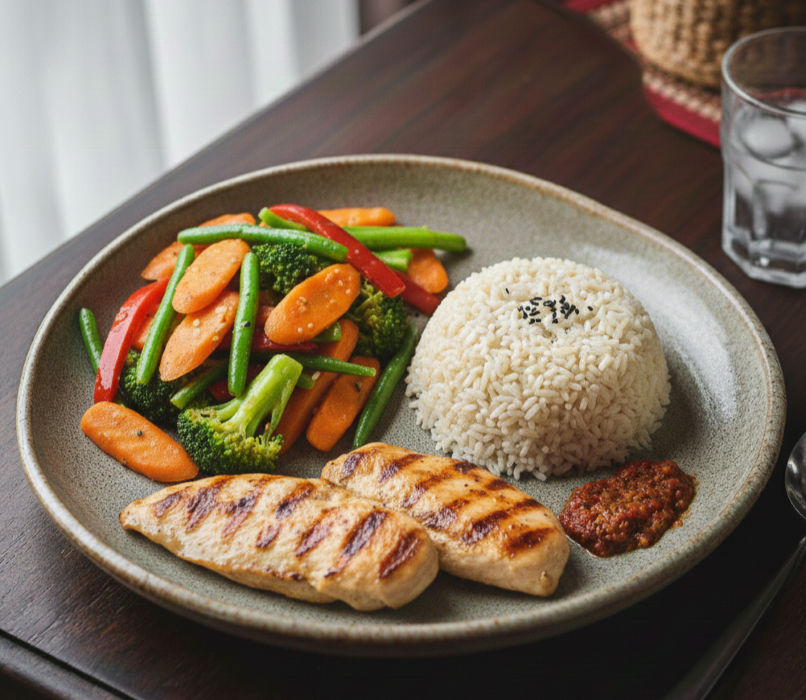
The old food pyramid is not wrong, and the inverted one is not some magical fix either. They are just guides. The real goal for parents here is much simpler: raise kids who eat a bit of everything (at least try lah), understand balance, and enjoy local food in sensible portions. Not perfect eaters. Just aware ones. Because the real win is not following a trendy pyramid. It is raising a child who sees food as fuel, not just snacks, treats, or something to negotiate over at every meal.
Reference:
1. https://realfood.gov
2. https://codeblue.galencentre.org/2026/01/nutritionists-follow-malaysias-scientific-food-pyramid-not-us-inverted-pyramid/
3. https://codeblue.galencentre.org/2026/01/nutritionists-follow-malaysias-scientific-food-pyramid-not-us-inverted-pyramid/
4. https://www.alpropharmacy.com/blogs/health-facts-article/how-alpro-healthcare-professionals-interpret-the-new-inverted-food-pyramid-through-four-key-lenses