



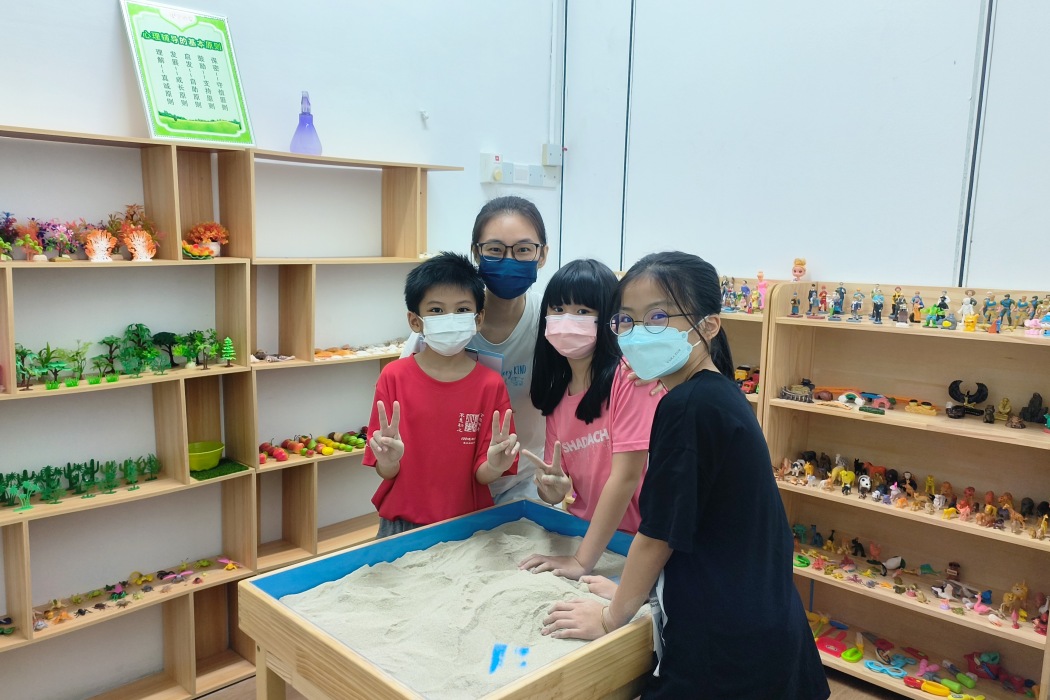


For many working parents, the after-school hours come with a familiar checklist: Has the homework been completed? Is tomorrow’s spelling done? Has your child revised for the upcoming test?
Academic support matters, particularly during the primary-school years when children are building important foundations. But there is another question parents may want to consider: what else are our children learning after school?
Beyond worksheets and exam preparation, children need opportunities to develop good learning habits, emotional skills, communication, responsibility and independence. These are the skills that can help them work through challenges, speak up when they need help and gradually learn to manage themselves.
It is one reason more parents are beginning to see after-school education as more than tuition.
After-School Learning Should Build More Than Good Marks
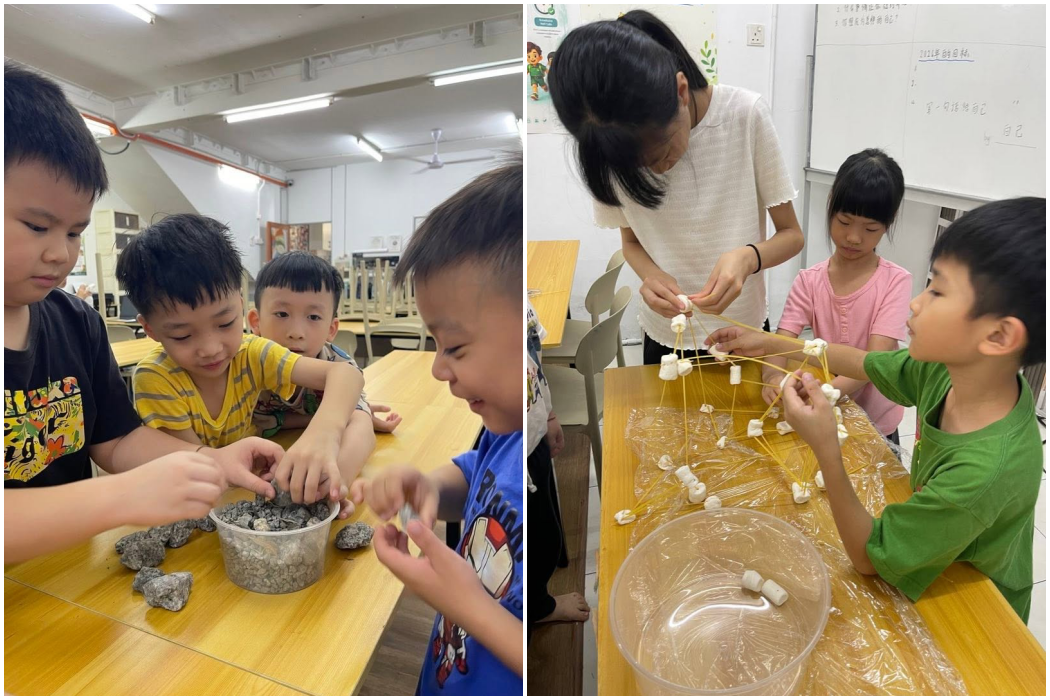
A good after-school programme can help children keep up with schoolwork. It can also provide the structure they need to become more capable and independent learners.
For a primary-school child, that could mean learning to organise homework without waiting for constant reminders. It might mean going back to correct a mistake, asking questions when something is unclear or learning how to work alongside children with different personalities.
They may seem like small everyday moments, but together, they contribute to whole-child development.
As children learn to manage their work, emotions and responsibilities, they are developing skills that can support them well beyond their next examination.
The Five Growth Areas Children Need
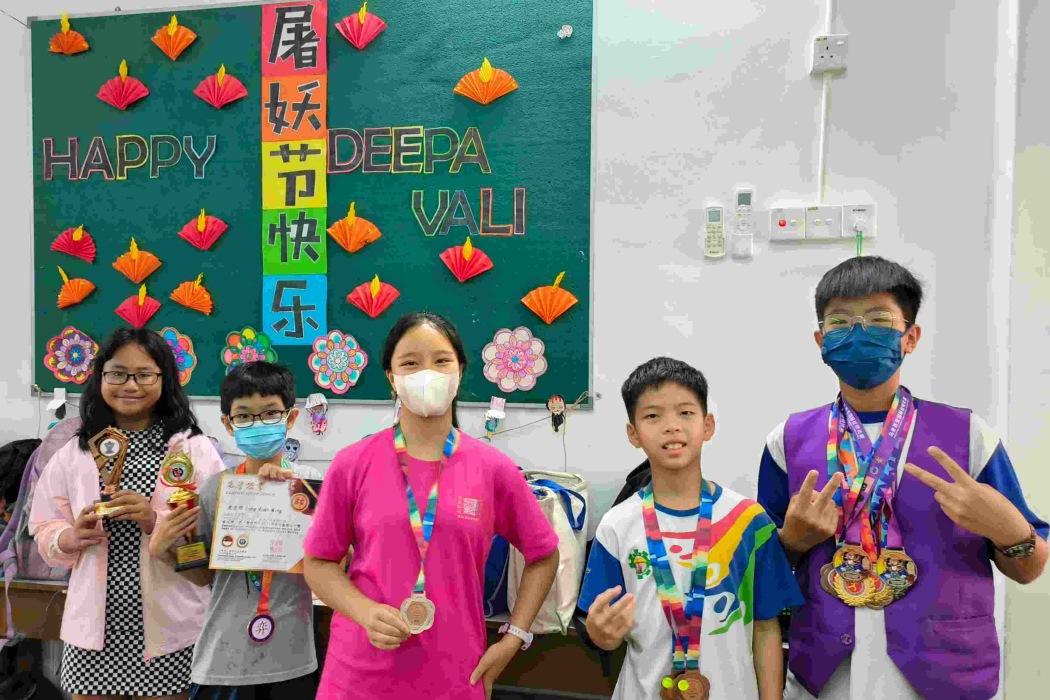
Academic knowledge is only one part of a child’s development. A more holistic after-school environment can give children opportunities to grow in several areas at the same time.
At Pusat Tuisyen Pintar PSL (PSL Trilingual Edulab), these are represented through its PSL 5 Growth Powers:
- Learning Power: developing effective learning habits, curiosity and the confidence to work through challenges.
- Emotional Power: helping children recognise and manage their emotions while developing greater self-awareness.
- Communication Power: encouraging children to express their thoughts clearly, listen to others and interact confidently.
- Responsibility Power: building independence and encouraging children to take greater ownership of their work and actions.
- Leadership Power: giving children opportunities to take initiative, make decisions and learn to work with others.
Rather than treating these as separate lessons, the aim is to develop them alongside everyday academic learning.
After all, knowing the answer matters. So does being able to explain it, learn from a mistake and take responsibility for improving.
STEM & AI Learning for the Future
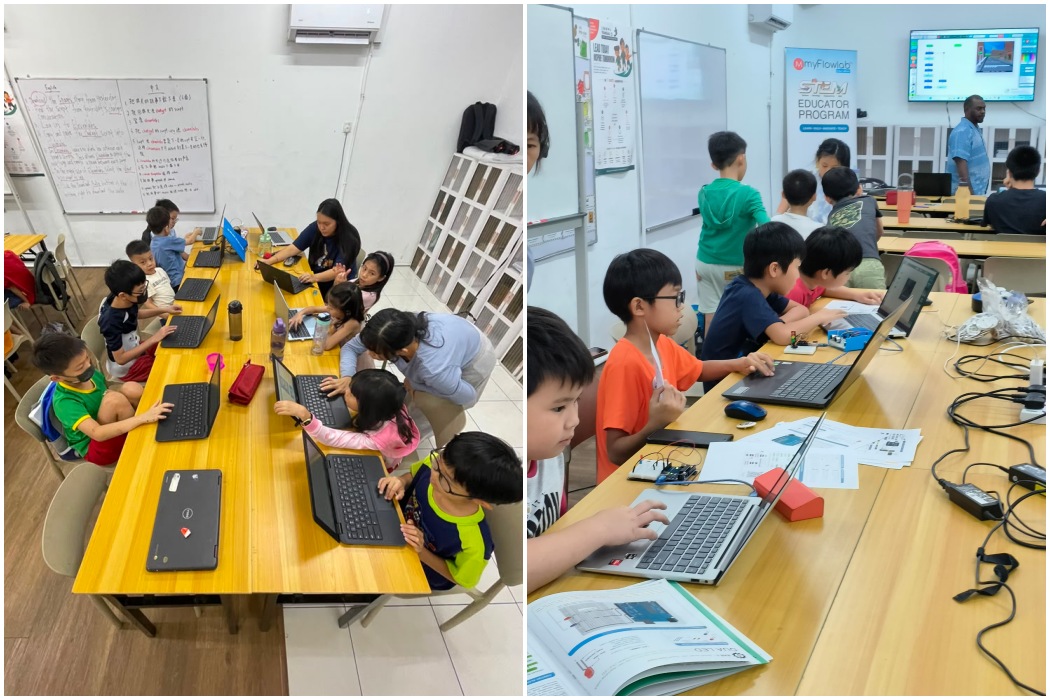
At PSL, learning also extends into STEM and AI workshops, where children have opportunities to explore, experiment and create through hands-on activities. By engaging with new ideas and practical challenges, they can develop curiosity, creativity, problem-solving skills and logical thinking.
These experiences help children build the confidence and adaptability they need to continue learning in a changing world.
A More Purposeful After-School Experience
Growing up in Malaysia often means navigating more than one language at school, at home and in everyday life. Regular exposure to Bahasa Melayu, English and Chinese can therefore help children become more comfortable communicating and learning across different settings.
At Pusat Tuisyen Pintar PSL (PSL Trilingual Edulab), trilingual learning forms part of a broader after-school programme that also covers homework management, correction, revision, social-emotional learning and leadership development.
Instead of viewing the hours after school simply as extra study time, the programme is designed to help children strengthen their academic foundations while gradually becoming more confident, responsible and independent learners.
This reflects PSL’s philosophy, “Grow with Purpose · Lead with Heart.” The Melaka-based centre was also recognised at the Parenthood Parents’ Choice Awards 2026 as Best Trilingual After-School Education Centre, Melaka.
For parents choosing an after-school programme, it may therefore be worth looking beyond questions about homework and exam preparation.
Ask: Will this environment help my child become a more confident learner? Will they learn to communicate well, take responsibility and manage themselves with greater independence?
Because the hours after school can offer much more than additional tuition. With the right environment, they can become valuable time for children to build the skills, habits and confidence they will carry with them as they grow.
Discover how the PSL Trilingual After-School Education Programme brings together trilingual learning, academic support and whole-child development for primary-school children in Melaka at PSL Trilingual Edulab.