





Some children have plenty to say at home, yet become noticeably quieter when they are asked to speak in front of a class.
Others know the answer but hesitate to raise their hand. Some have strong opinions, but struggle to explain why they think that way when someone challenges them.
As parents, we may put this down to shyness or confidence. But speaking up involves more than having the courage to talk.
Children also need to know how to organise their thoughts, explain an idea clearly, listen to another point of view and respond when someone disagrees.
These are skills that debate can help children develop.
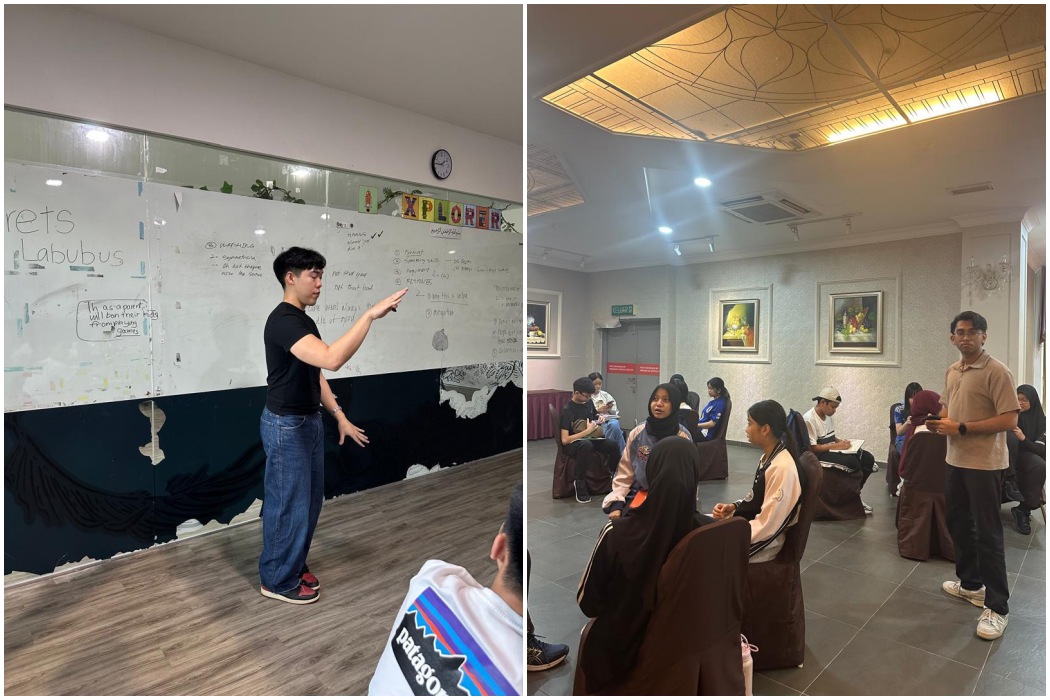
Debate Is About More Than Speaking Well
Mention debate and you might picture two sides trying to prove each other wrong.
For children, good debate training goes much deeper.
Before they can persuade an audience, they first need to understand the issue in front of them.
They have to consider different perspectives, decide where they stand and support their opinion with clear reasoning.
They also learn to anticipate what the other side might say and, perhaps most importantly, listen closely enough to respond.
It is an exercise in thinking before speaking.
These skills have value far beyond a debate competition. A child may use them while answering questions in class, presenting a group project, discussing an issue with friends or eventually sitting for a university or job interview.
And confidence, in this sense, does not mean always having the perfect answer.
Sometimes, it is simply knowing how to gather your thoughts and speak anyway.

Apex students in Shanghai for SIDO 2026
Helping Children Realise Their Ideas Matter
There is a shift that can happen when a child begins to realise: I have something worth saying.
Creating more opportunities for that shift is part of the thinking behind Apex Thought, which provides debate training for children and teenagers.
The academy believes that while school gives children an important academic foundation, students may benefit from additional spaces where they can practise becoming more articulate, independent and critical thinkers.
Its physical debate training classes cater to students aged 8 to 18, while debate training is also offered as a CCA programme in schools.
The training is designed around students’ individual development rather than expecting every child to progress in exactly the same way. Apex Thought’s trainers work alongside a management team that stays connected with students and parents to better understand where support is needed.
For one child, progress may mean volunteering an opinion for the first time.
For another, it could be learning how to structure a stronger argument, disagree respectfully or stand in front of an audience without allowing nerves to take over.
Over time, those seemingly small wins can change the way a child communicates.

Apex students, parents and coaches in Shanghai for SIDO 2026
Learning to Think on Their Feet
One of the interesting things about debate is that children cannot prepare for everything.
A student may walk into a debate with a carefully planned argument, only for the opposing team to raise a point they did not expect.
Now they have to listen, process the information and decide how to respond.
That experience teaches something worksheets and memorised answers cannot always replicate: how to think in real time.
At Apex Thought, training is competition- and goal-oriented, giving students opportunities to put these skills into practice and work towards tangible milestones.
Competition adds an element of challenge, but winning does not have to be the only measure of progress.
A child who learns to recover after losing their train of thought, reconsider an argument or continue speaking after being challenged is developing skills of their own.
The aim is not necessarily for every student to become a competitive debater. It is to give them repeated opportunities to question, reason, communicate and become more comfortable when there is no ready-made answer.

Skills That Stay With Them
Parents spend years preparing children for examinations, but eventually they will enter situations where there is no answer sheet to follow.
They will need to form their own opinions.
They will meet people who disagree with them.
They will have to explain their ideas, ask questions and sometimes defend what they believe.
And there will be moments when they need the confidence to walk into a room and make their voice heard.
This is where debate can become more than another after-school activity. It gives children a structured space to practise how they think, communicate and carry themselves around others.
The child who walks into their first debate class may not immediately become the strongest speaker in the room.
That does not have to be the goal.
Perhaps the bigger transformation happens when they gradually discover that they can organise their thoughts, trust their ideas and speak with greater confidence.
That could be the new version of themselves they have yet to meet.
Want to see where debate could take your child? Discover Apex Thought’s debate training programmes for students aged 8 to 18, including physical classes and school-based CCA programmes, at Apex Thought.